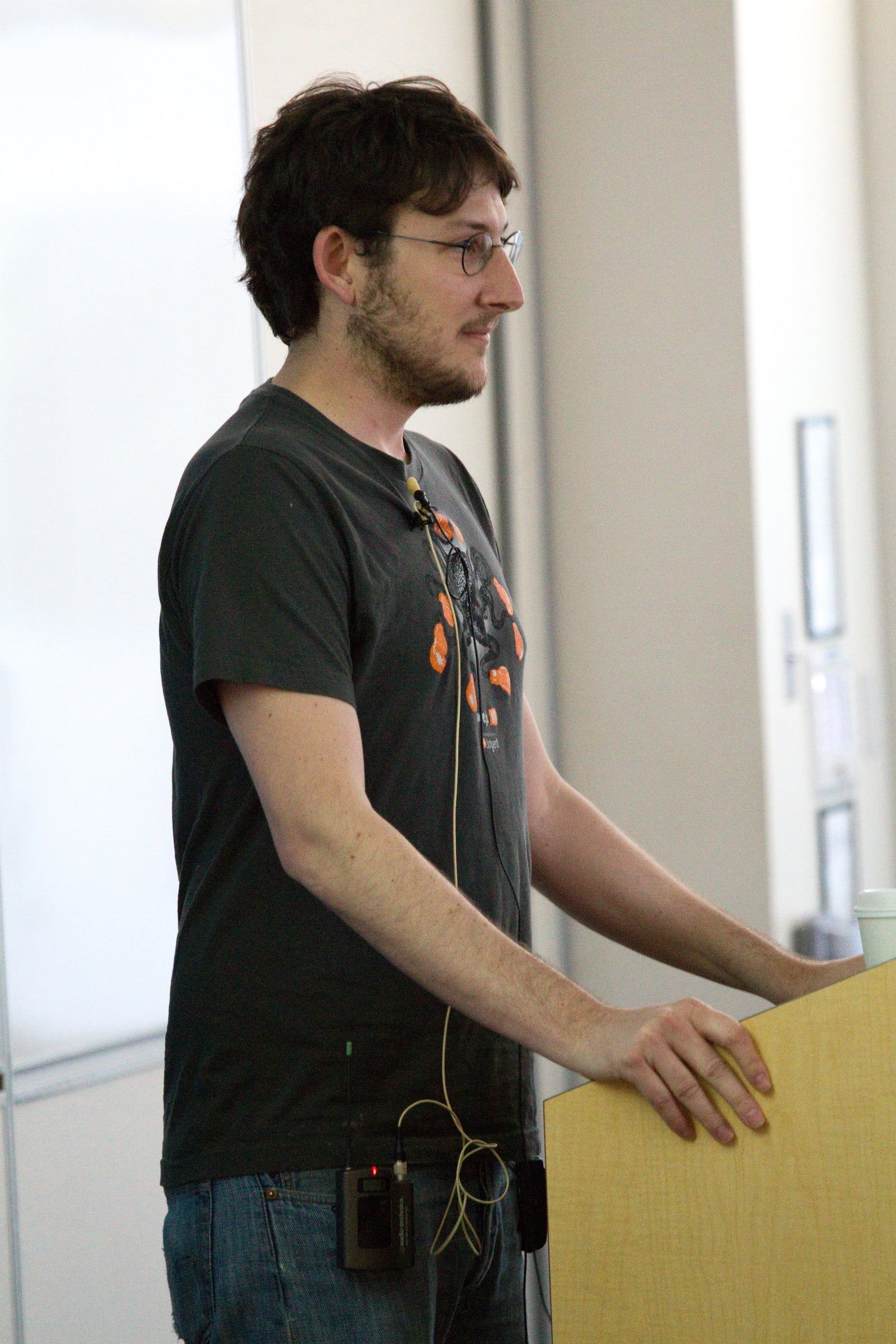
Tanasa Romeo Iulian is the founder, editor and an author of LUMACTA NEWS. His background combines photography and video experience with computer-science education, university study in computing and specialist training in networking.
Disclosures and conflicts
He personally funds LUMACTA NEWS and controls its publisher, which also operates MANAZYR. Coverage of MANAZYR must disclose this relationship.
LUMACTA NEWS carries a publisher-selected, static KreerIQ house promotion. A promotional placement is not an independent product review.
He attended an electronics-focused secondary school and has participated in national competitions in computer science and physics. He is also the creator of MANAZYR.com. This biography is based on information supplied by the author on September 23, 2026.
His professional and educational background informs his editorial interests; it does not constitute specialist expertise in every scientific field covered by the publication. Personal experience, documentation-based analysis and measured testing are identified separately in the relevant article.
The byline identifies editorial responsibility. Articles may involve substantial AI assistance in research and writing; it does not by itself establish personal verification of every claim or hands-on testing.
A fictional production studio follows a delayed client message through an interruption. Our explanation separates access to an inbox, evidence about delivery and the business confirmation that still has to happen.
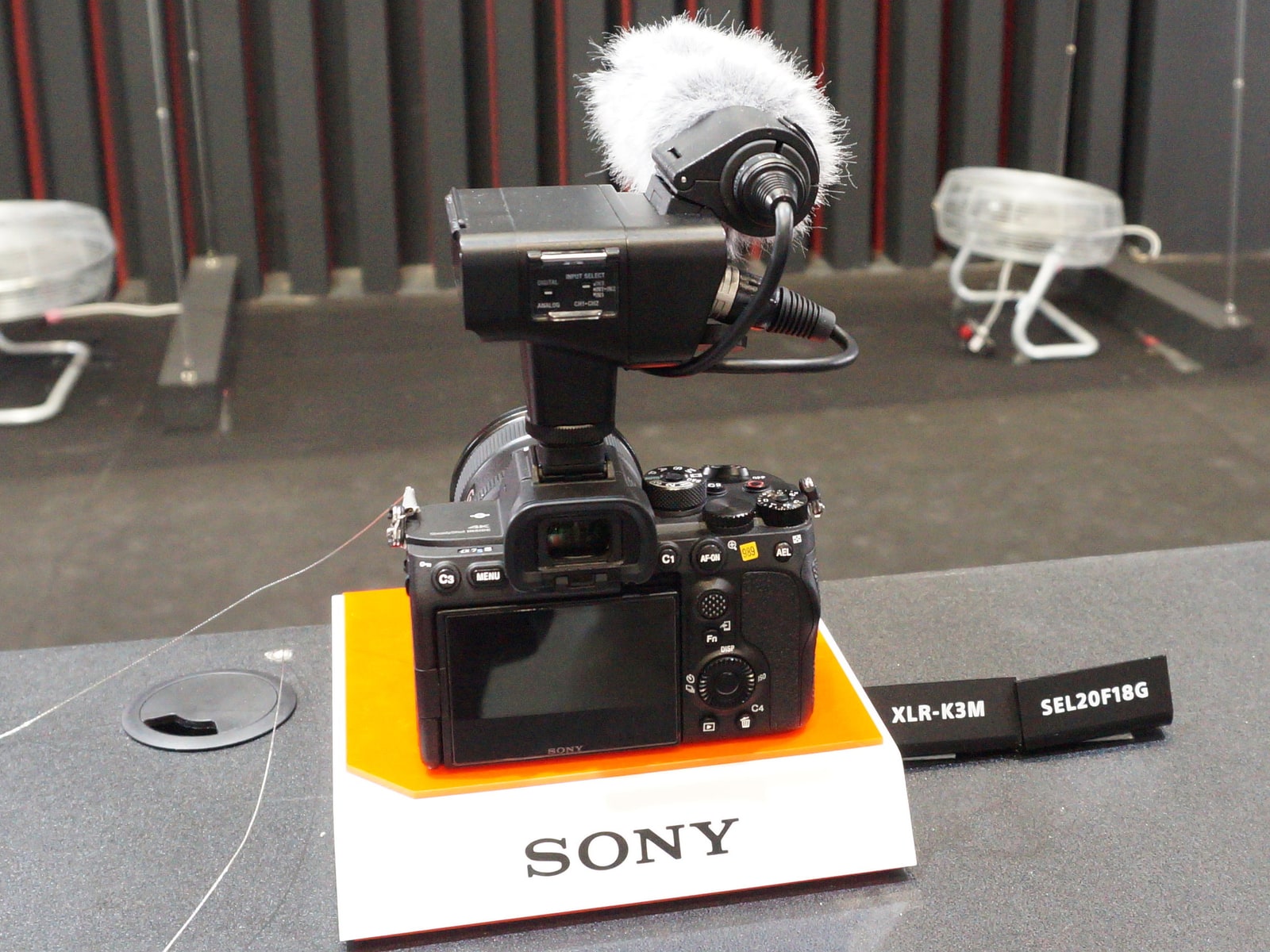
An original two-person interview scenario follows sound from the speaker to the edit. It explains why a convenient recording path, a monitoring connection and a useful fallback solve different problems.
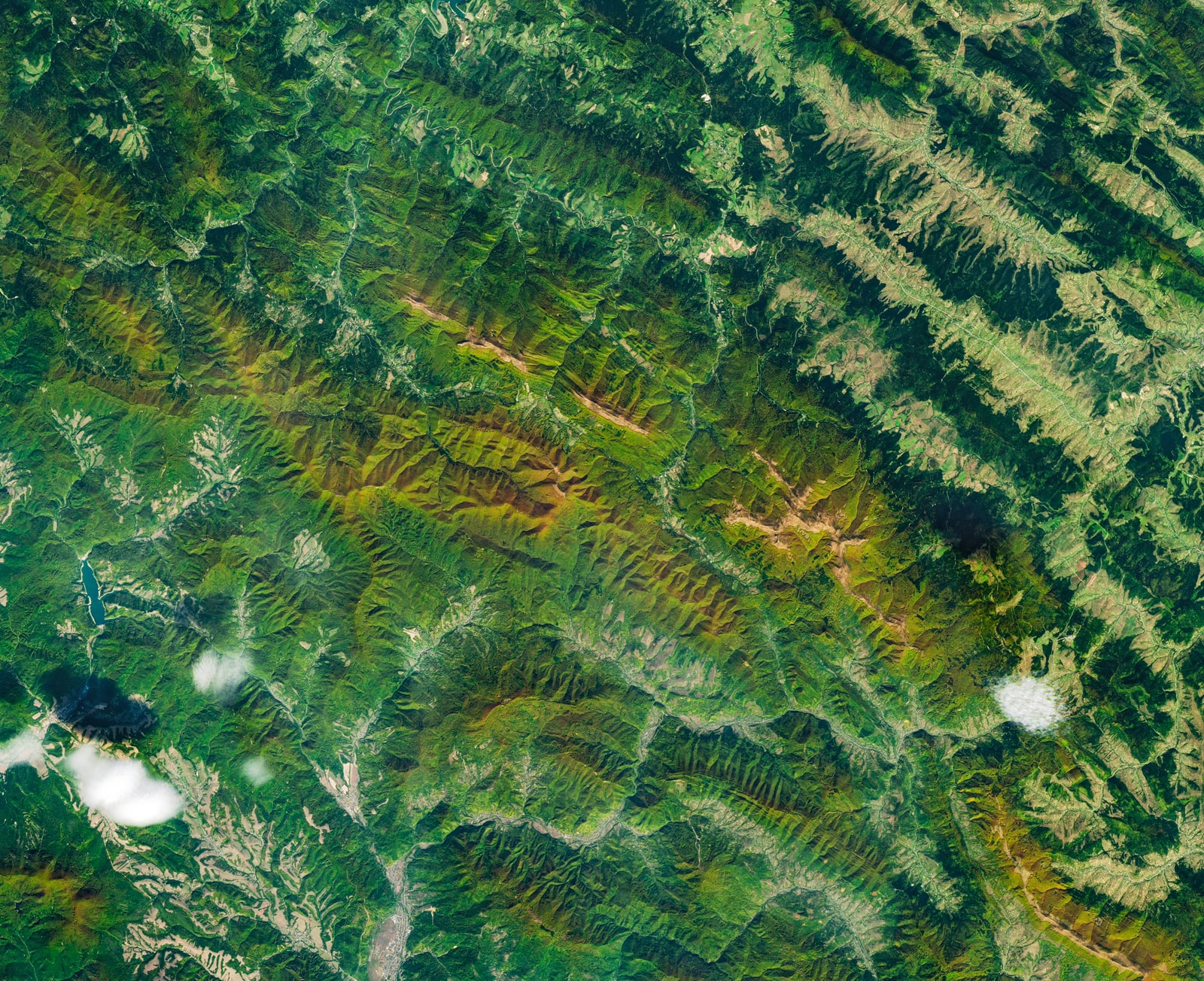
The landscape is beautiful, but the useful story is how a measurement becomes a picture. Our explanation separates the date of a view, the area represented by a pixel and the questions that color alone cannot answer.
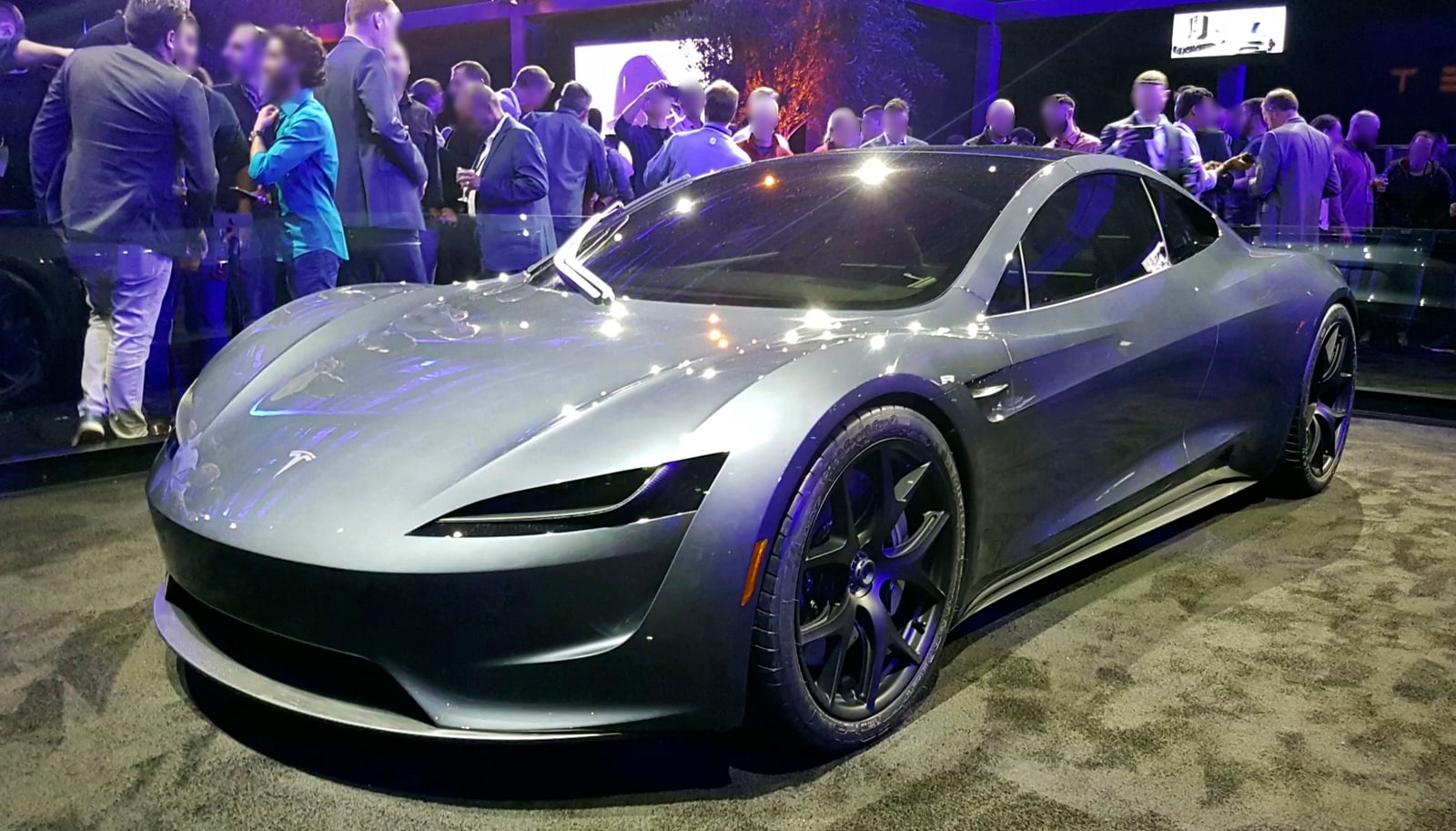
A spectacular reveal deserves more than a spectacular headline. Our extended analysis separates the reported demonstration, the different Roadster versions and the engineering evidence needed before a short aerial maneuver becomes useful transport.
For a video editor, a quicker effect is only part of getting a film to a client. The useful question is whether that waiting time blocks the next decision—or happens while other work continues.
A fictional family-photo assignment follows an image from finding it to delivering the right copy. The useful questions are where the file lives, what an edit changes and what remains after a mistake.
A new observational study separates rapid failure from a self-sustaining cascade. Our explanation follows the competing physical effects, an original arithmetic example and the limits of drawing a reassuring conclusion.
An assistant becomes useful when it reduces the distance between a conversation and a correctly finished task. Our reading separates that everyday benefit from the temptation to replace a perfectly adequate handset.
Two fictional publishing workflows show why an approval should follow the whole dependency chain. Our practical analysis separates a recorded software choice from permission to execute it.
New research separates finding a plume from estimating its size. We examine the experimental controls, explain a misleading AI statistic and calculate why an alert needs a denominator.
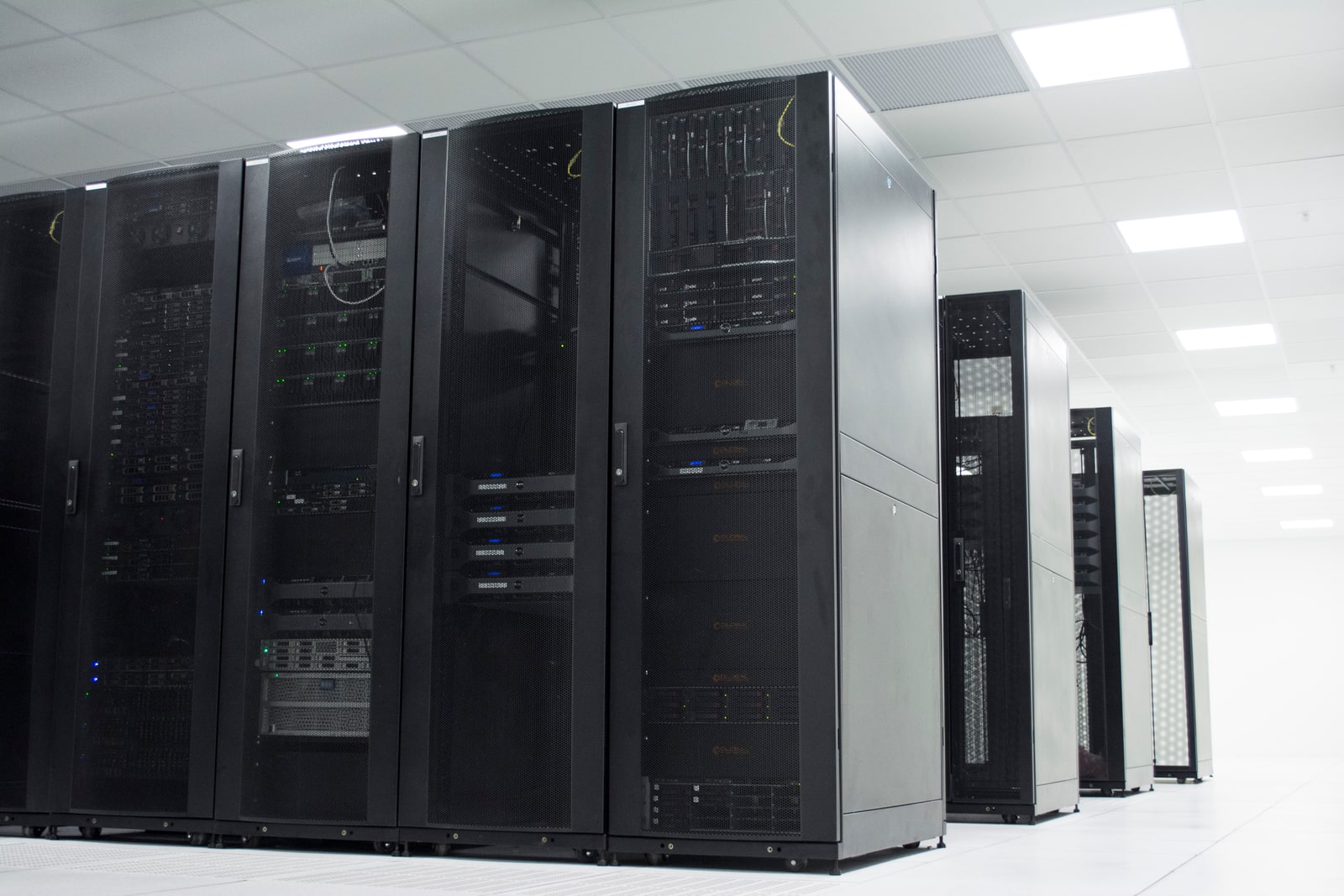
A rack-scale announcement raises a practical question for organizations using AI tools: which part of the work needs more computing capacity? Our decision framework separates execution, model responses and the authority to act.
Our original policy-and-recovery rehearsal asks what an organization should prove before changing its browser environment. More control needs an accountable operator, not just a reassuring product name.
An October 12 report concerns a September observation. We explain what the ranking measures, why thresholds matter and how to avoid turning one seasonal snapshot into an unsupported prediction.
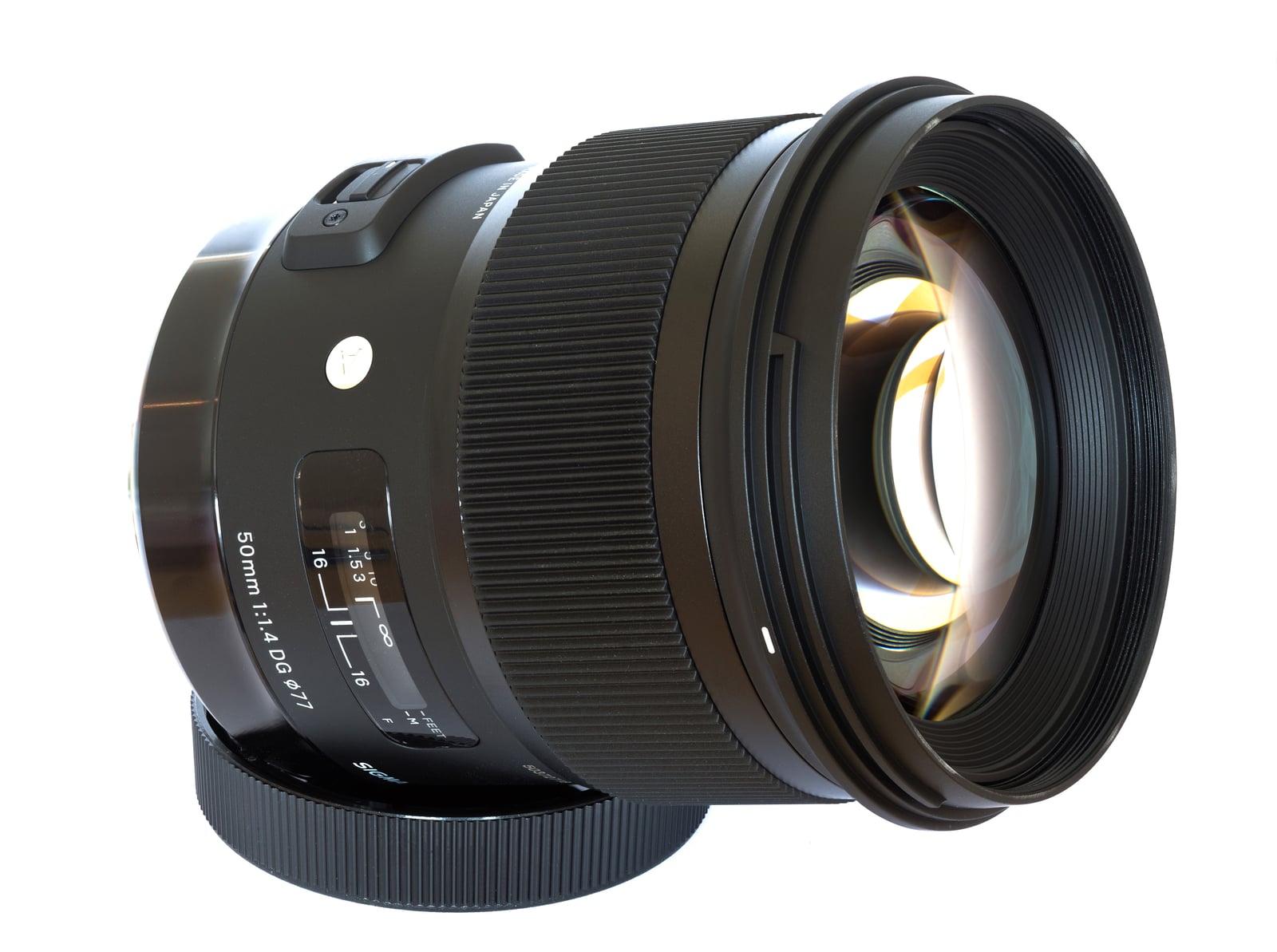
A recent lens announcement makes a compact event-photography kit more interesting. Our explanation separates framing, exposure and motion control, with a practical way to judge whether a new lens fills a real gap.
The announced change leaves application owners with two different jobs: choosing a runtime and moving a running service. Our original migration walkthrough explains why saved state and recovery matter as much as a successful launch.
An experiment can become more orderly without protecting arbitrary information. We explain the result, distinguish the publication date from the earlier preprint, and show why the target matters.
A physical fallback is an interesting addition to a connected home. We separate the announced hardware from the recovery, access and privacy questions readers still need answered before relying on it.
Anthropic’s October 9 disclosure makes a practical distinction urgent: preparing an action, permitting it and actually executing it are different stages. Our original walkthrough shows where a team should put the checks.
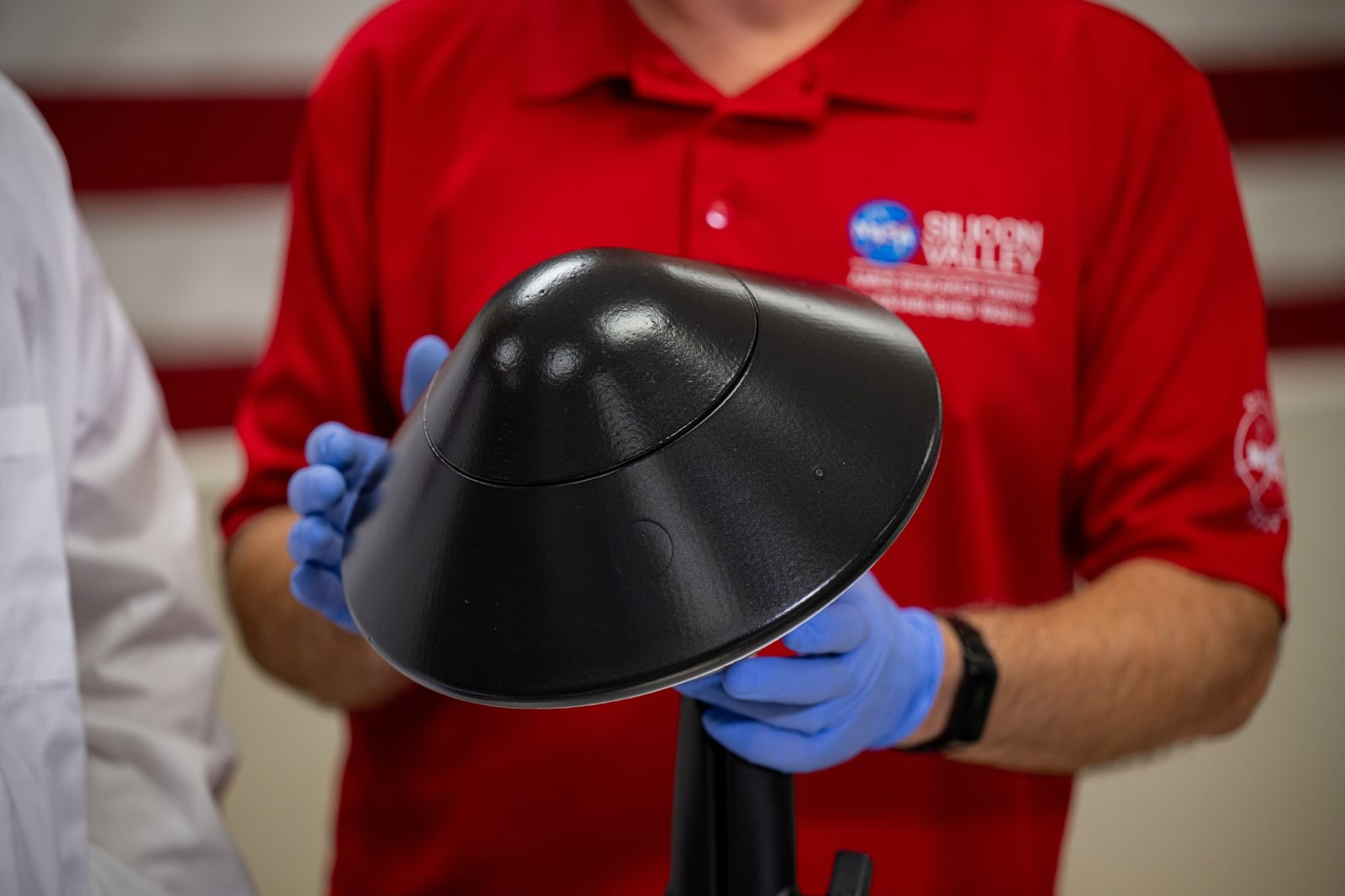
KREPE-3 prepares to collect re-entry measurements as Cygnus XL disposes of station waste. We explain what the flight can test—and why departure is not proof of a successful heat shield.
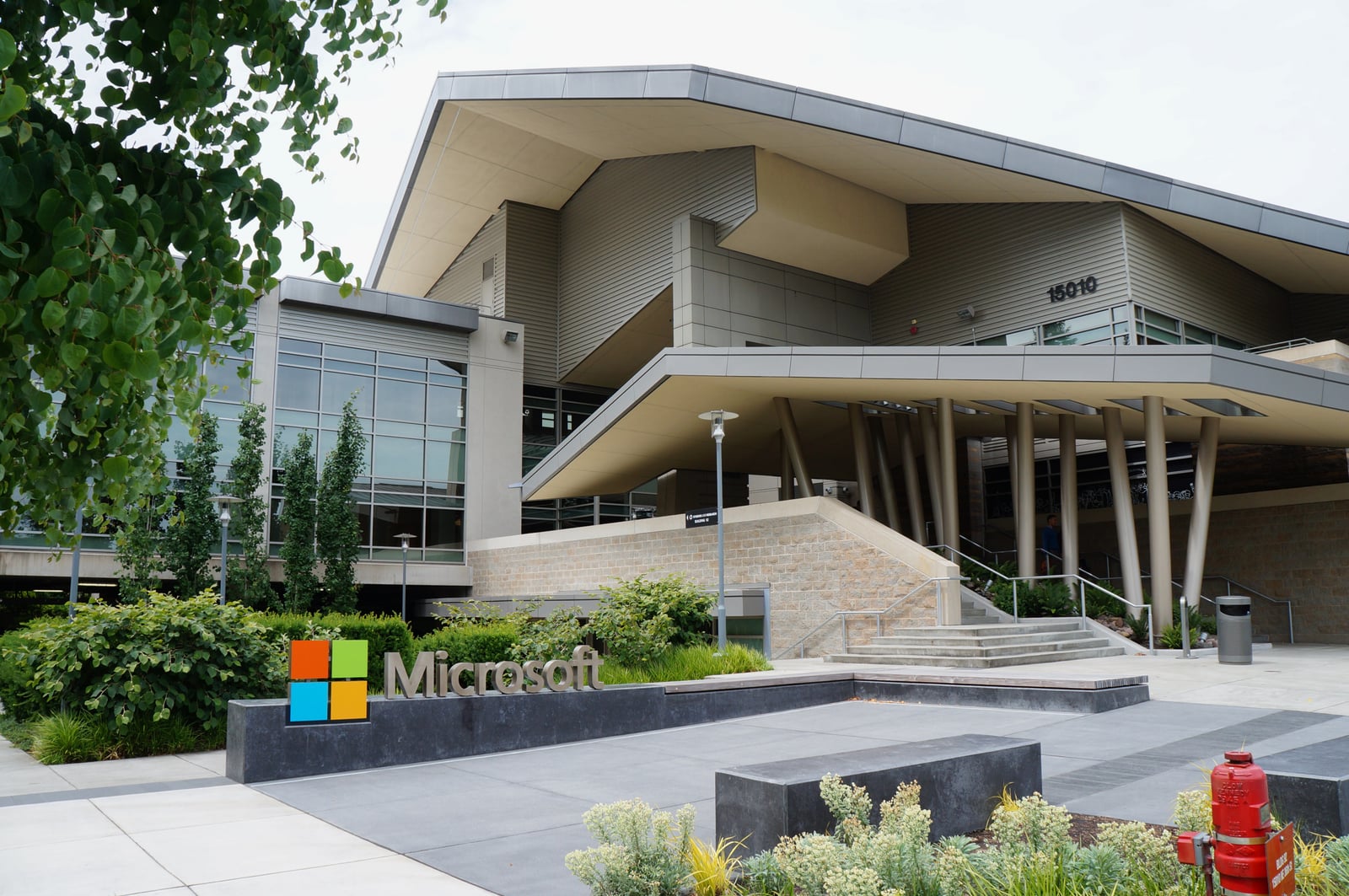
Microsoft’s October 7 announcement adds prices and shipping plans to its local-AI laptop and desktop. We explain the configuration choices, memory arithmetic and creative-workflow checks that matter before spending thousands.
Google’s October 7 tooling overview brings official documentation into terminals, agents and applications. We explain the difference between finding a relevant passage, generating an answer and proving that a change works.
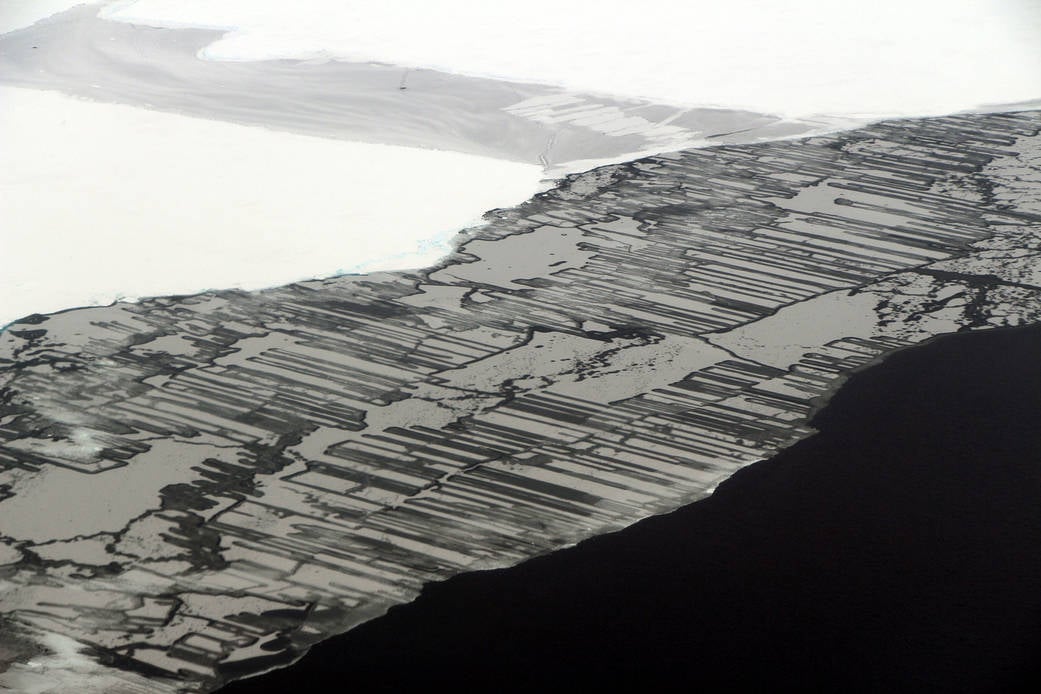
A new October 7 analysis separates the summer minimum from September’s monthly average. Our worked examples explain why ranking, seasonal growth and the amount of actual ice answer different questions.
This week’s published study describes a close binary with a repeating hot spot. We explain how brightness and motion become evidence for mass transfer—and why a long-lived future is a prediction, not a recording.
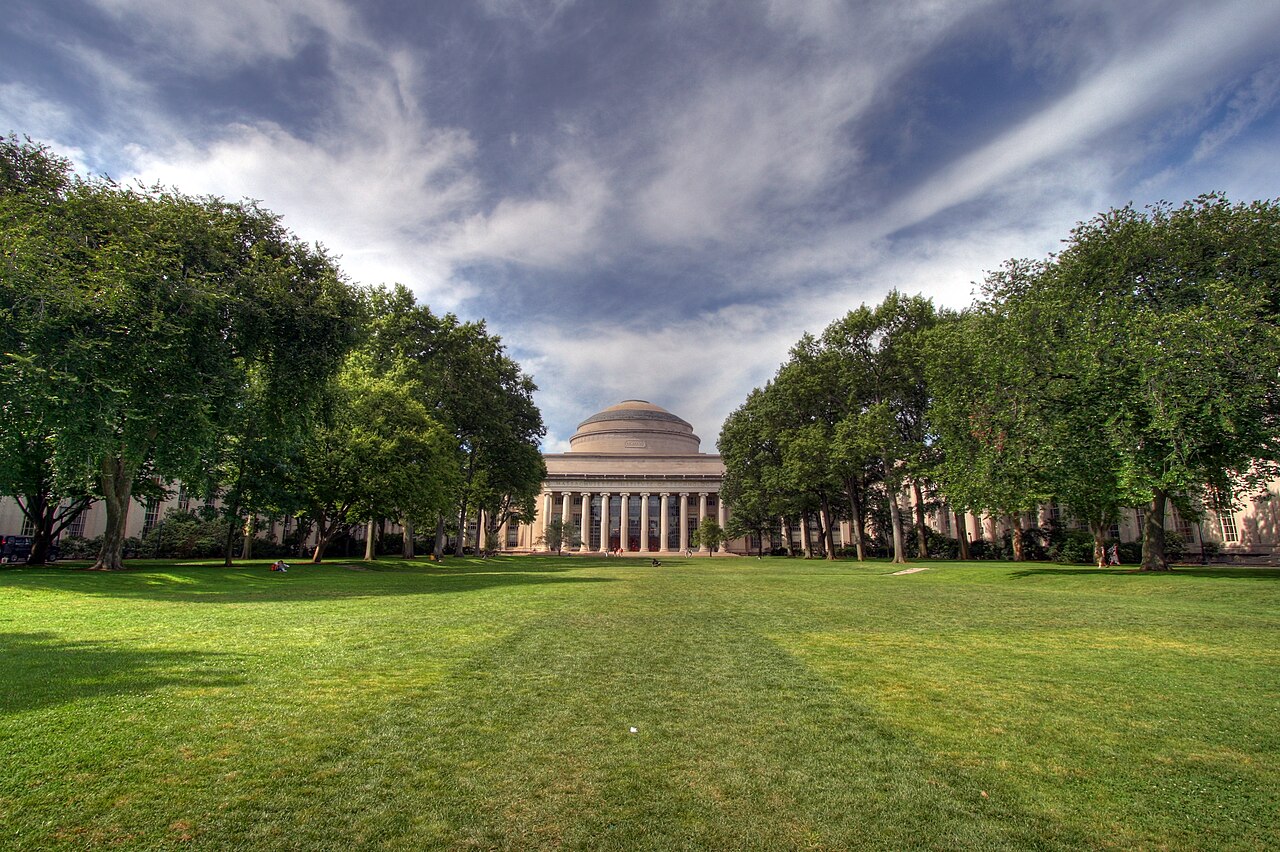
A newly published MIT News feature explains a continuing accelerator survey. Our guide separates dated specifications from useful-work measurements, with a worked energy example and a practical evaluation checklist.
A vendor’s tally is not an installation record. Our practical checklist follows a dependency from a proposed fix to the application actually running it, without treating an old version number as the whole answer.
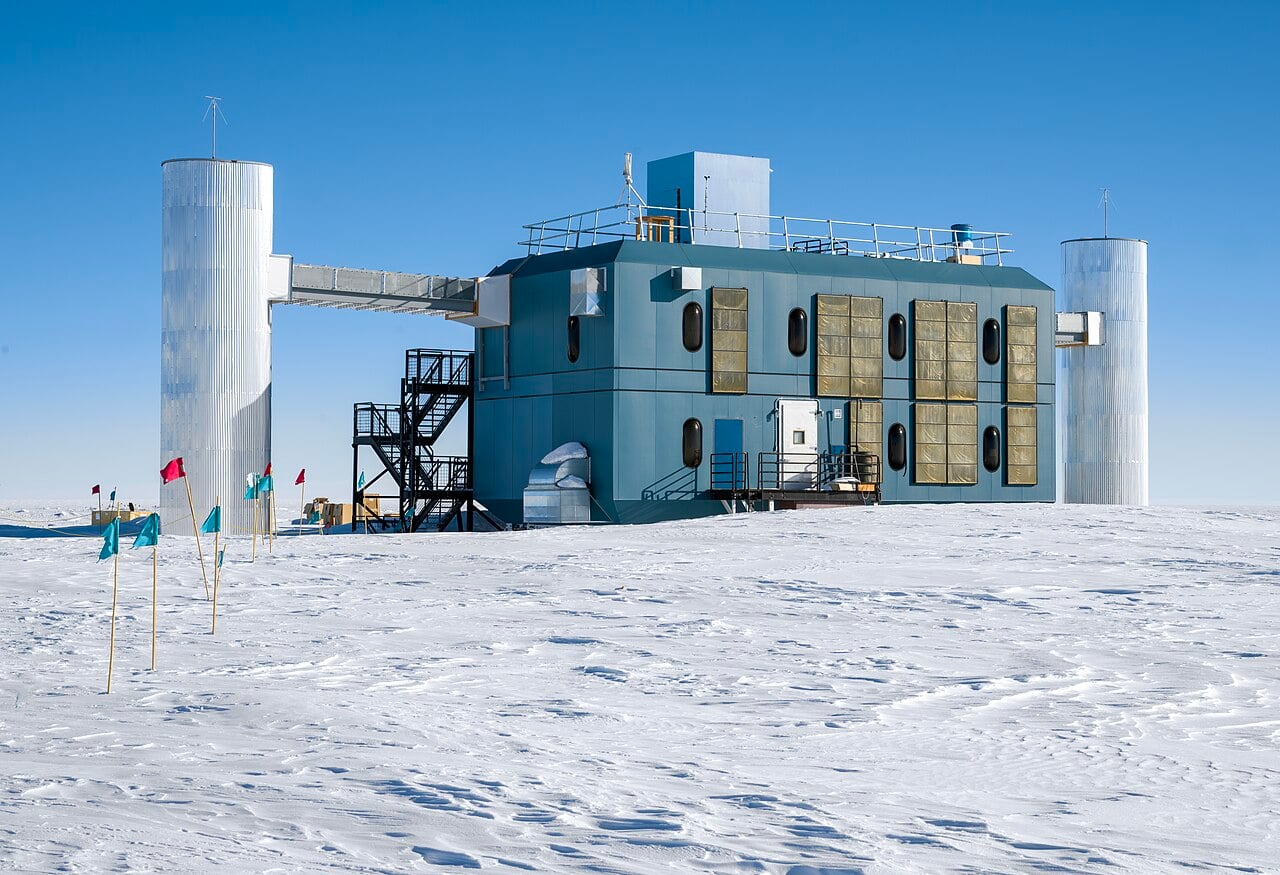
The October 6 announcement recognises a different way to study the universe. Our explanation follows the evidence from underground light sensors to a claim about cosmic particles.
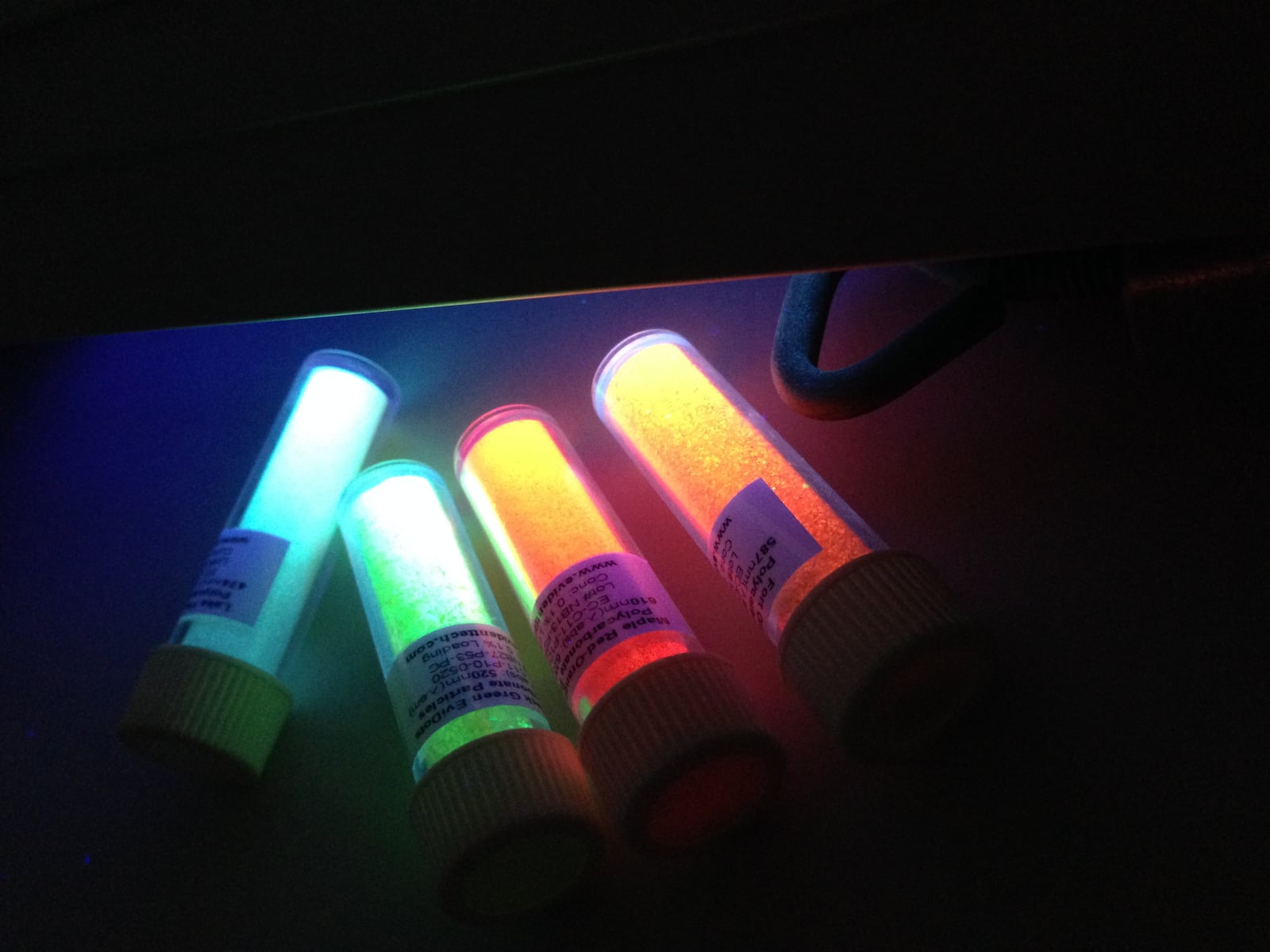
A new funding round supports work on integrating light-emitting materials. We examine an earlier experiment and explain why accurate placement, useful light and manufacturing yield need separate evidence.
A familiar version number does not settle an update check. We explain how to record the installed security date and distinguish an announcement from a completed installation.
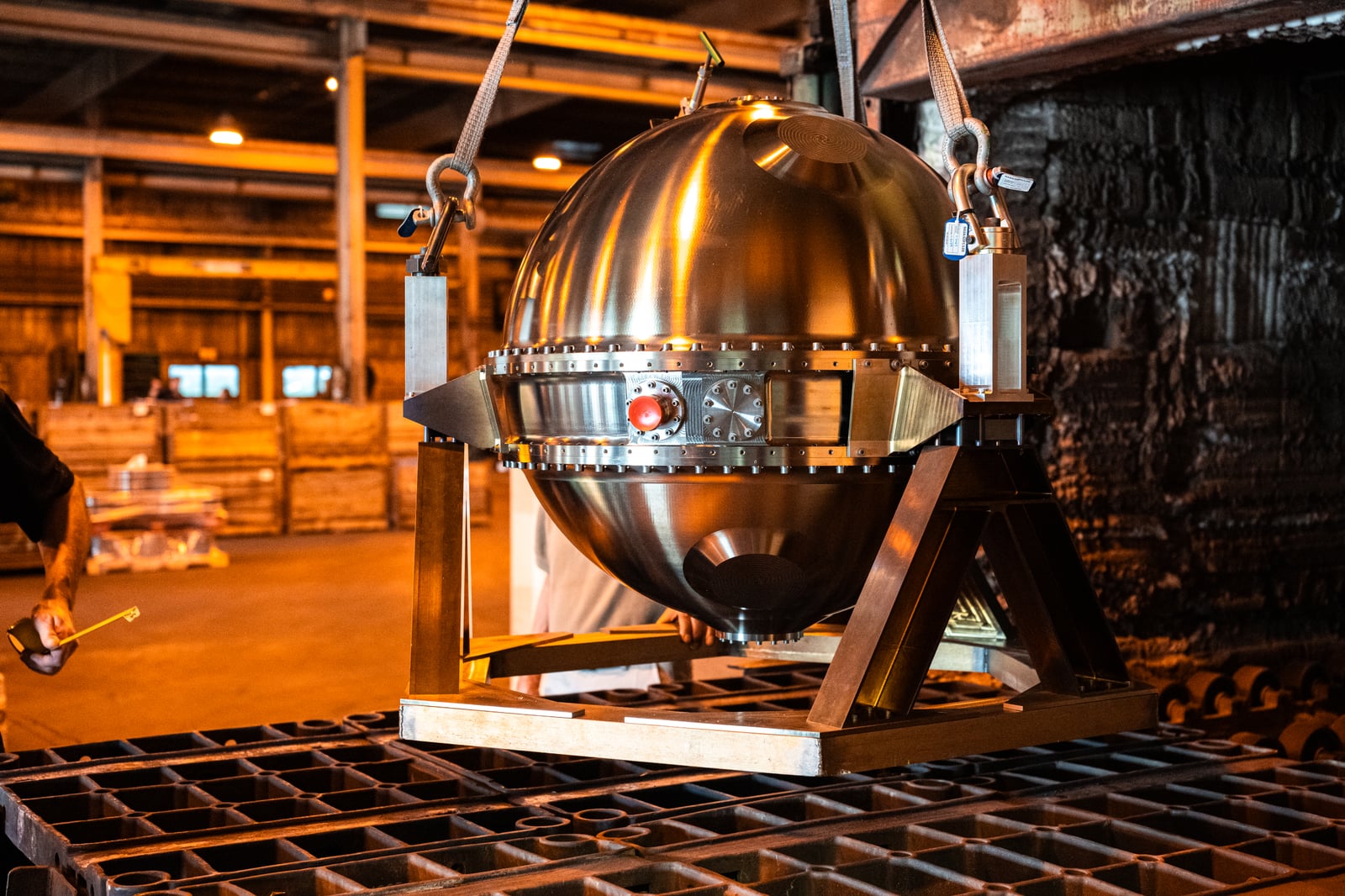
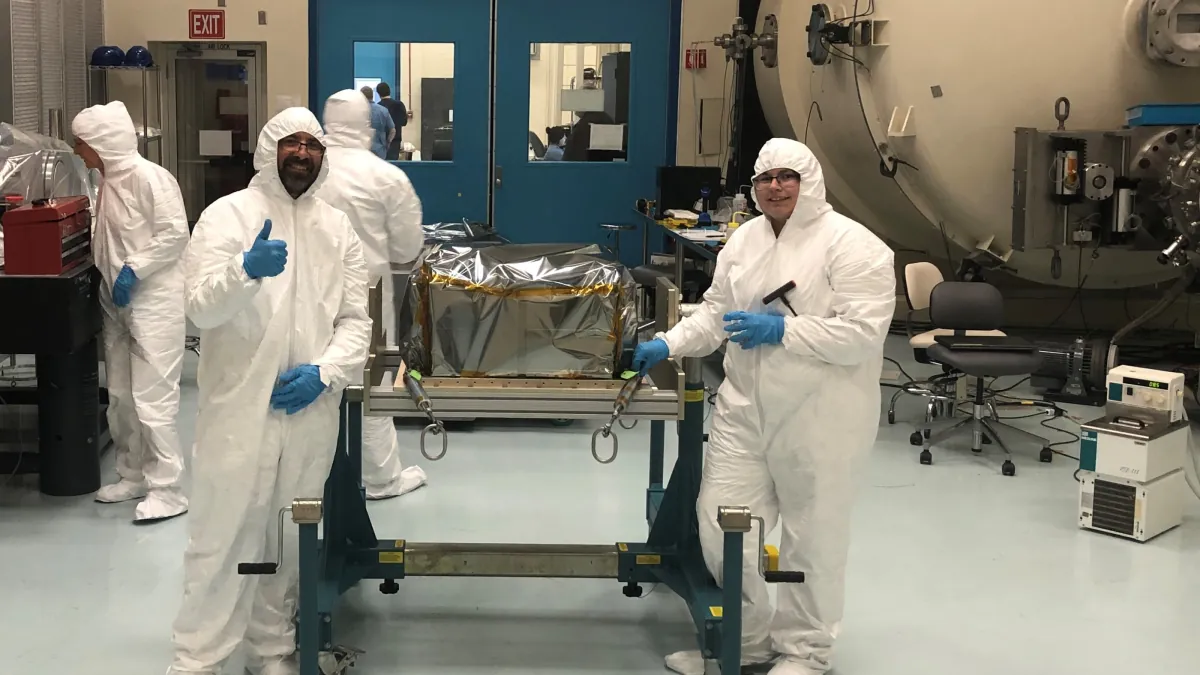
A laboratory photograph brings a Venus engineering test into view. We explain why instrument survival depends on heat flow, elapsed time and the exact hardware tested.
An Argonne report invites engineers to examine the whole material assembly. We explain the measurement, distinguish depth from device size and propose what an array experiment should test.
Clear failures matter for an unattended job. We explain the October 5 cutoff, credential checks and a proposed evaluation on an organization’s own service.
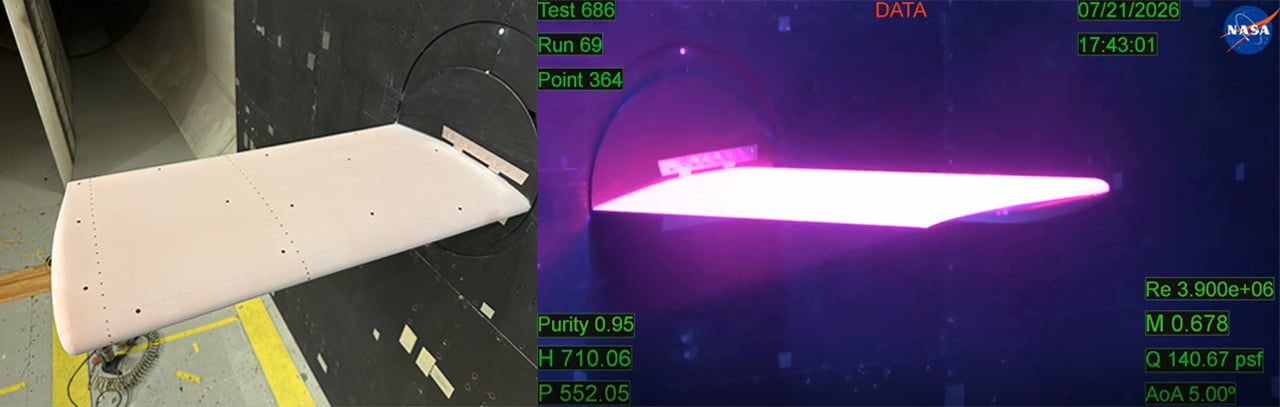
A moving surface makes pressure measurement harder. We explain how oxygen-sensitive paint turns light into data, and how to evaluate the resulting pressure movies.
Reusing a waste ingredient is only the first step. A materials-processing report offers a chance to ask what a manufacturer must measure before calling a new route a practical improvement.
Cloudflare's latest performance update offers a useful prompt for web teams: separate a connection-time lead from the experience your users actually have.
NASA’s October 1 report describes a survey of warm debris around distant stars. The interesting evidence is in the dust’s chemistry: it helps researchers infer different kinds of impacts, while leaving important questions about their timing and frequency open.
Brown’s October 1 announcement highlights a brain-inspired imaging experiment. The paper separates image reconstruction from field readiness—and a short computing time from the longer observation needed to collect useful light.
Microsoft’s October rollout changes access for EWS-dependent integrations. Here is a practical inventory and migration checklist, including the limits of Graph.
Google’s September 30 announcement brings a million-token output limit and a restricted cybersecurity rollout. We explain the access conditions, introductory versus later pricing and what a longer-running agent still needs to prove.
A new biohybrid swimmer uses a thin layer of living muscle instead of a conventional motor. The engineering advance is real; the paper’s endurance test shows why tissue longevity and useful operating time must be kept separate.
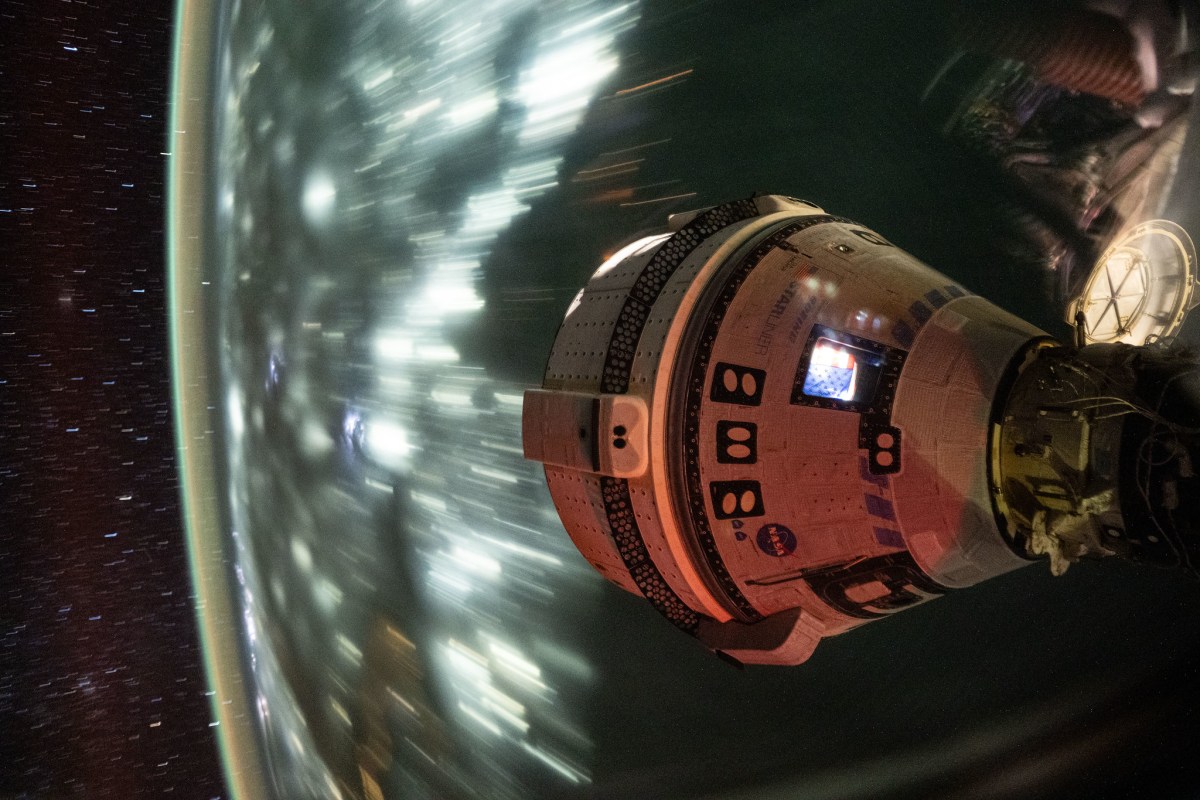
NASA and Boeing set out an engineering flight and a possible 2028 crewed return, while planning certification of the Vulcan rocket. We explain what the updated roadmap can establish and why spacecraft and launcher approval are separate jobs.
OpenAI promises performance close to Astra at a lower price. We explain where Sol is available, compare the API rates and show why a cheap answer is not automatically a cheap completed task.
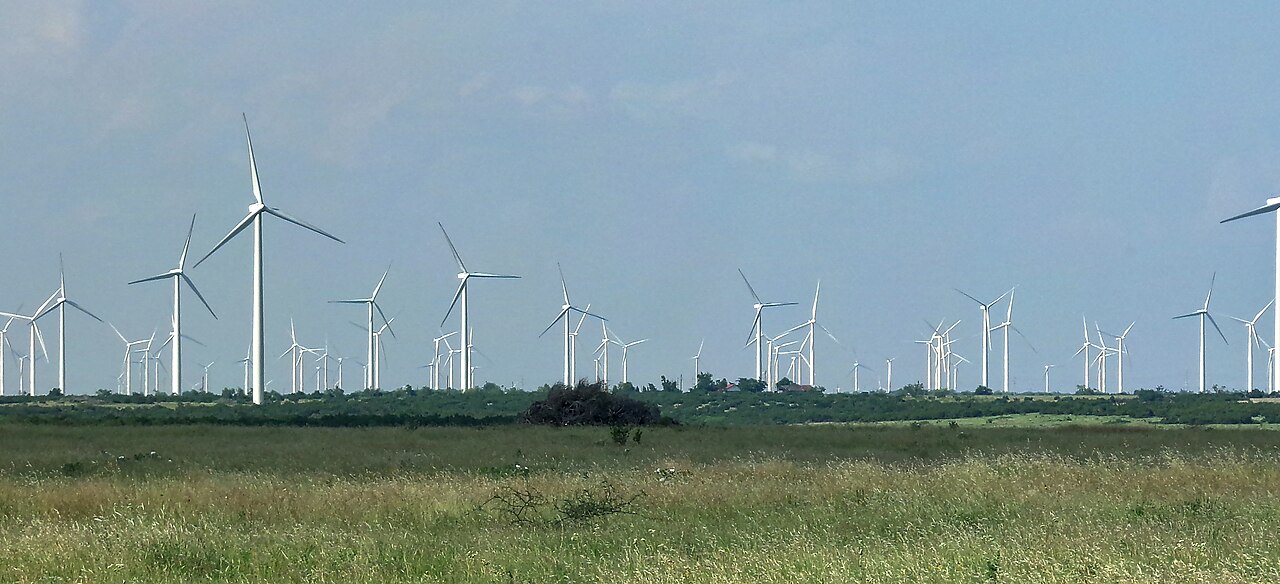
A new MIT report describes a laboratory experiment that makes a small rotor behave more like a commercial machine. The useful advance is a better basis for control decisions—not a guaranteed increase in every farm’s output.
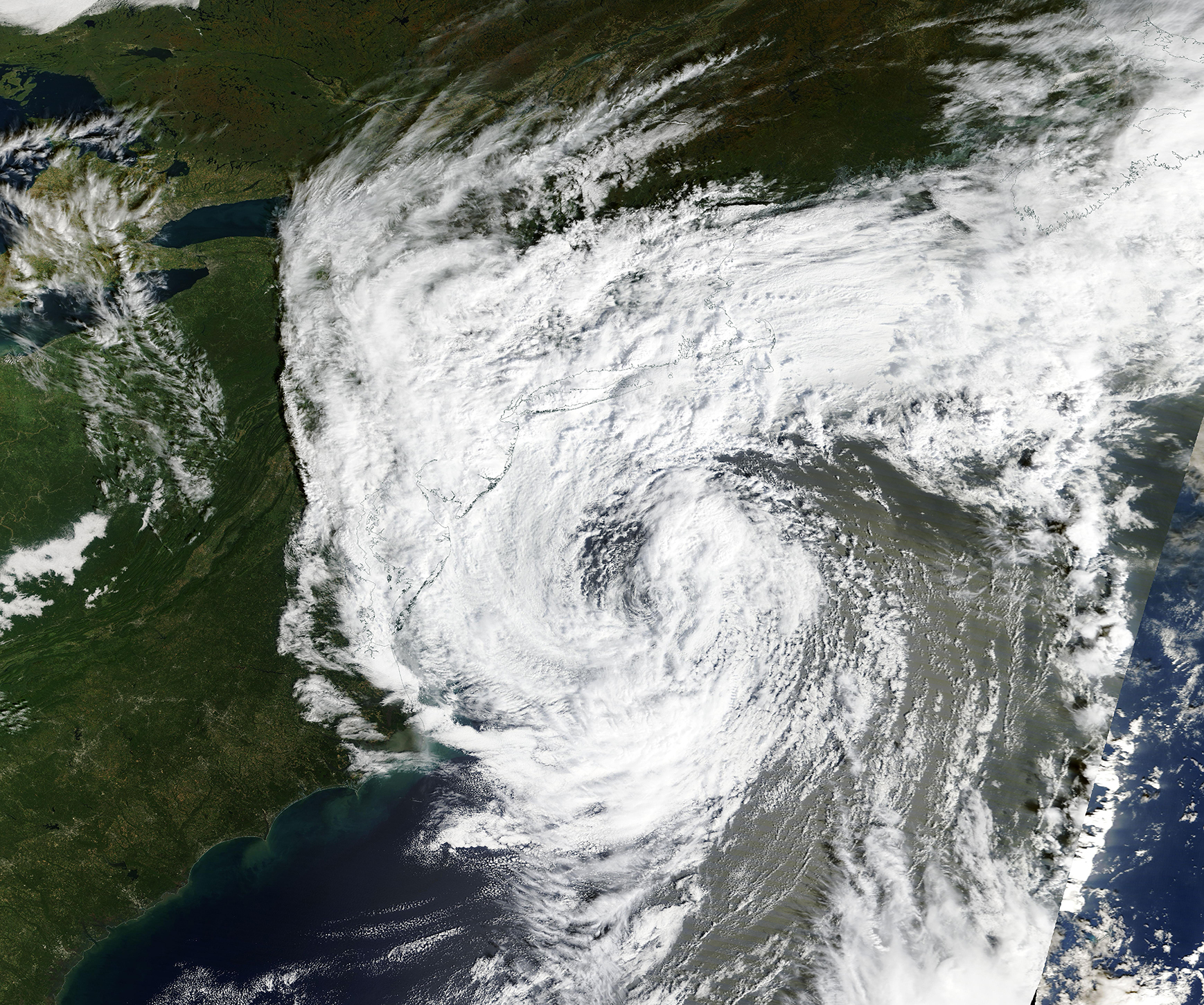
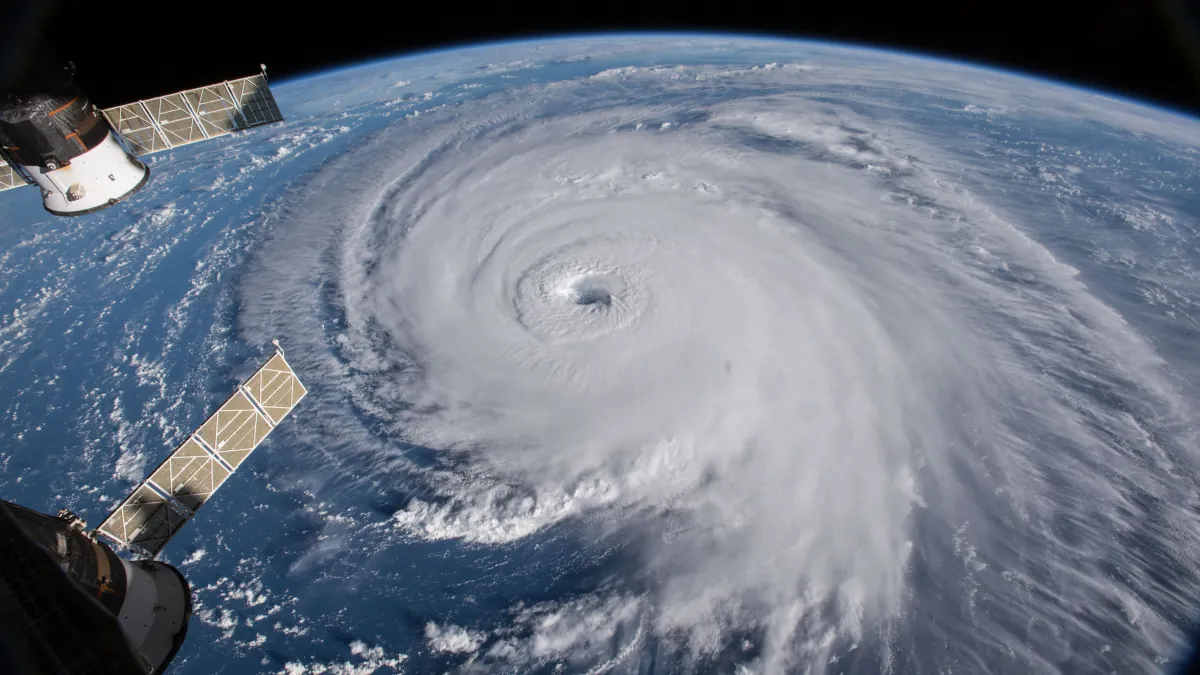
Published today but captured on September 26, the Terra satellite image records the storm’s cloud structure. We explain what the true-colour composite measures—and why it cannot quantify every impact on the ground.
A disclosed research incident exposes an important distinction for anyone deploying autonomous tools: detecting a crossed boundary and containing the activity are separate engineering tasks.
A three-site demonstration separates capture, reconstruction and viewing. We explain what volumetric sports coverage changes—and what producers still need to know about delay, quality and cost.
NASA’s latest feature shows how surface measurements can help reconstruct buried terrain. The scientific value lies in combining observations with a model—and understanding where the model can be wrong.
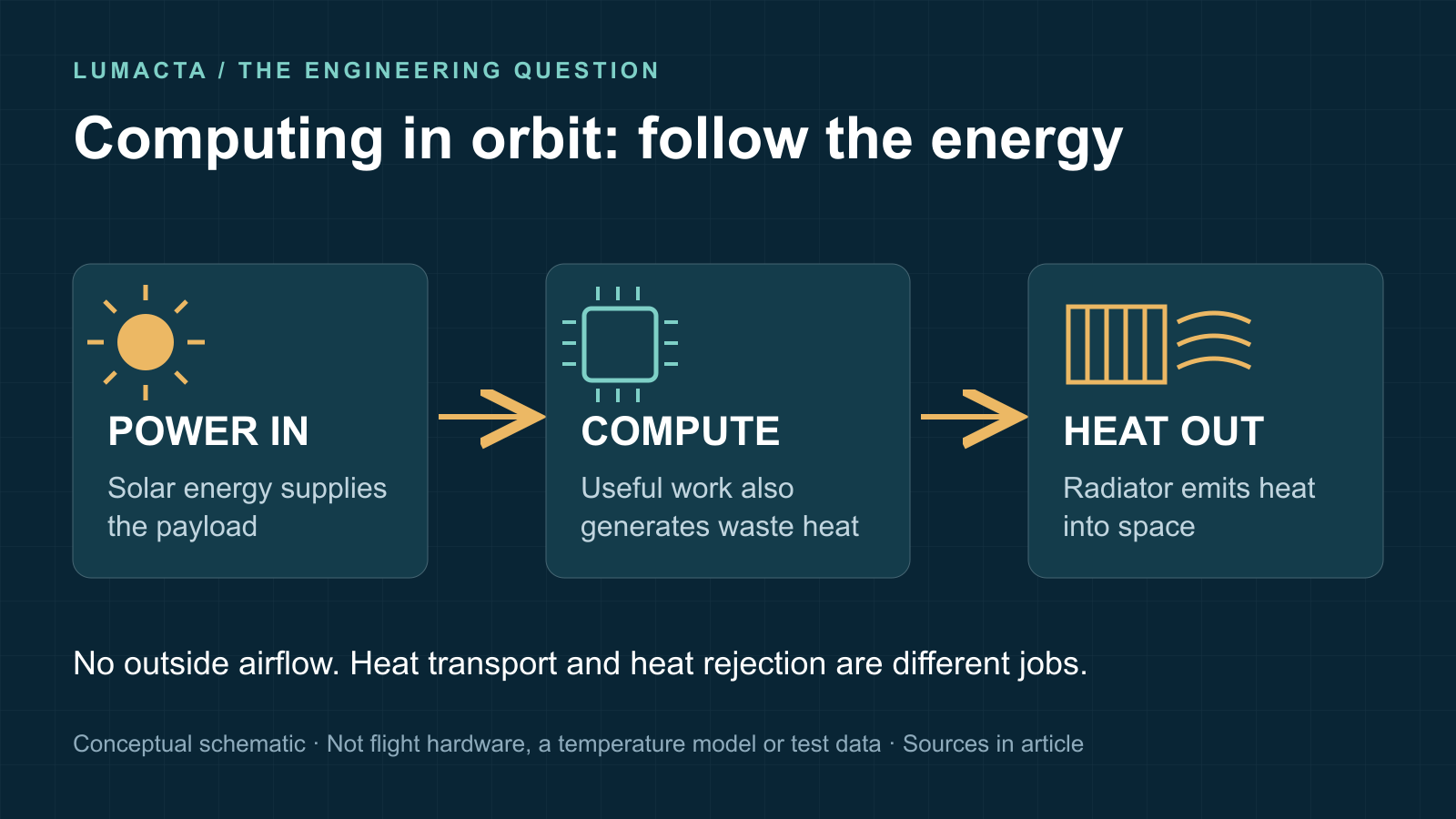
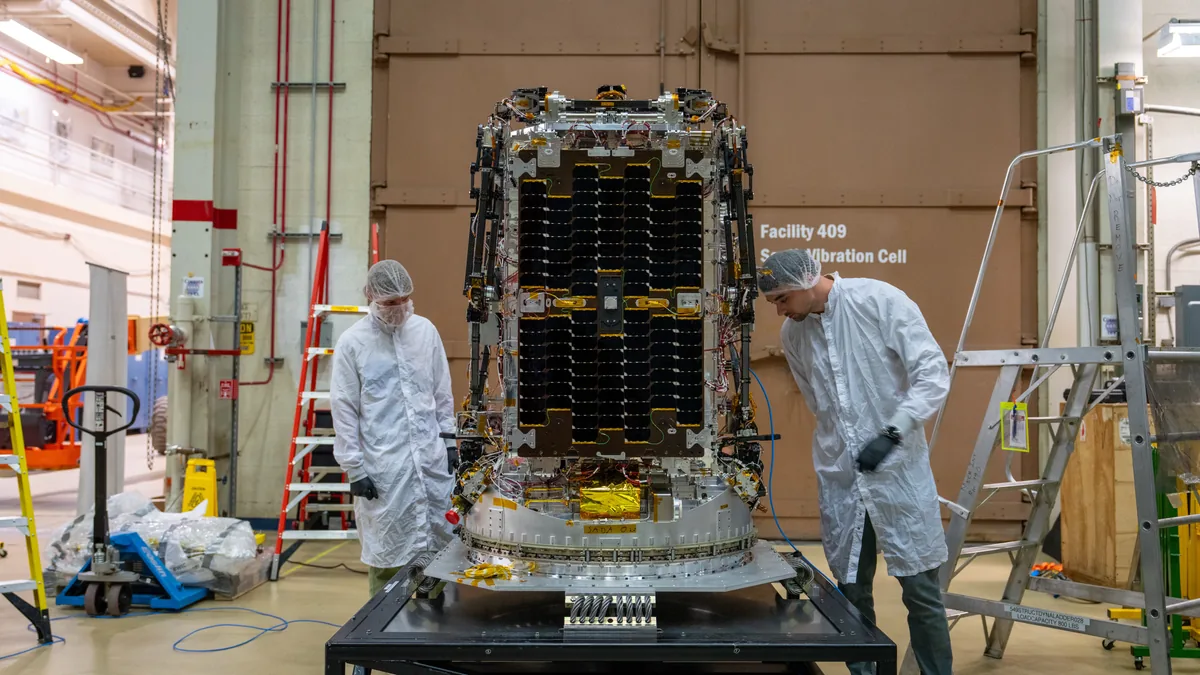
Project Suncatcher is approaching its first orbital hardware test. The useful question is not simply whether a chip survives space, but whether an entire computing system can work there reliably.
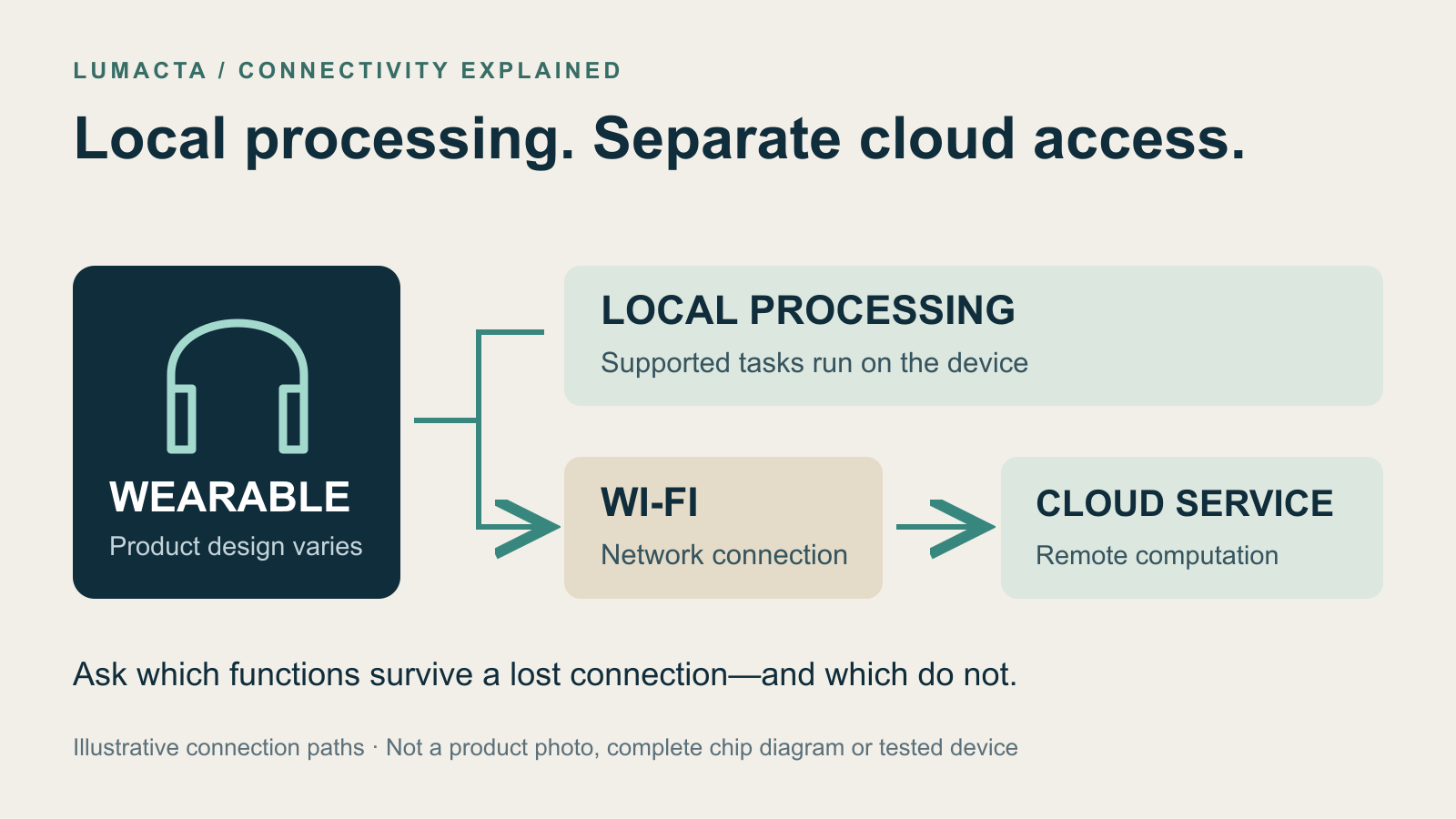
Snapdragon Sound Elite Gen 2 combines local processing with direct cloud connectivity. We examine what changes, what still depends on a connection and what its headline efficiency claim actually measures.
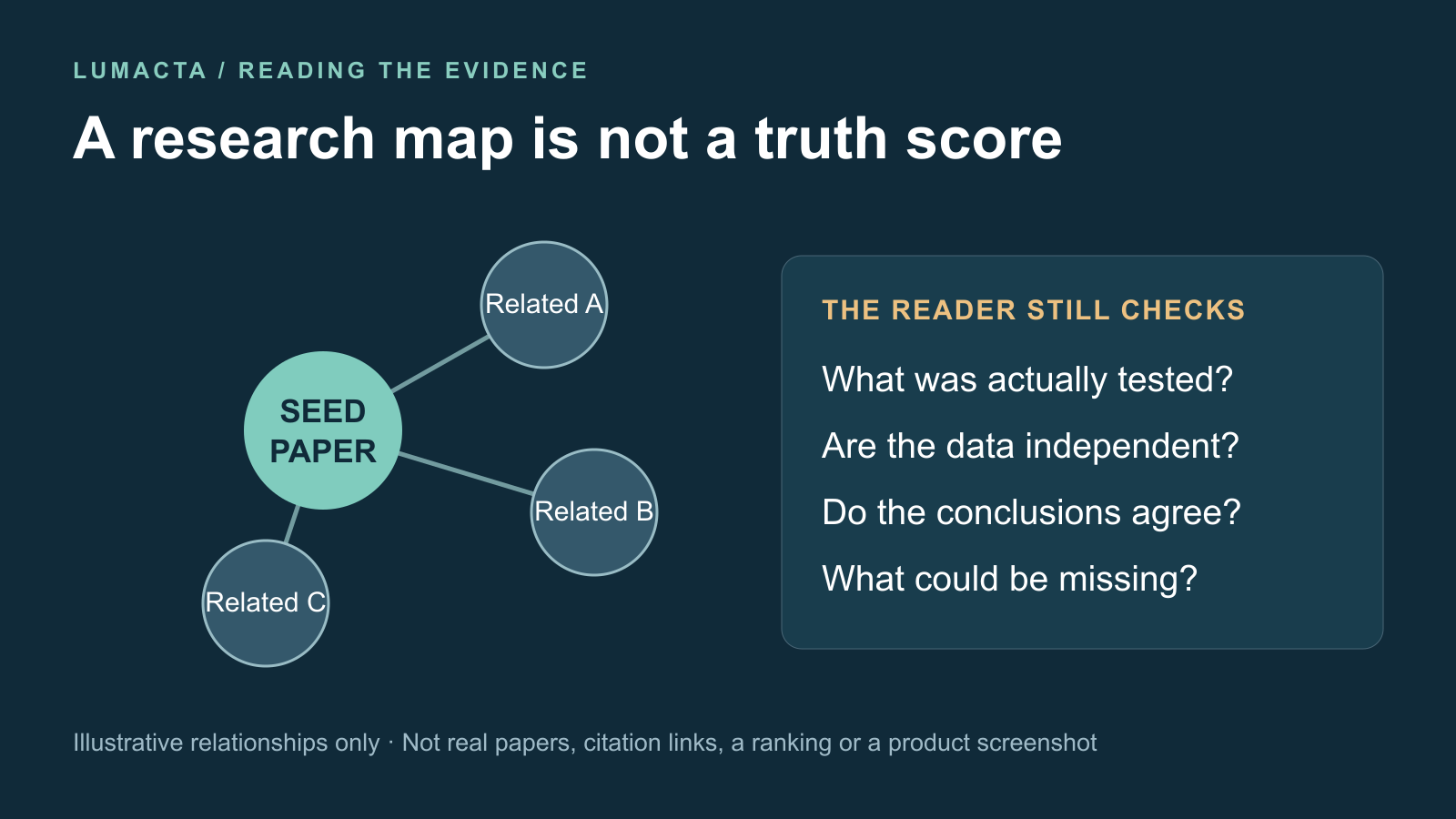
NIH’s experimental Linked Discoveries tool makes related biomedical papers easier to explore. Its real value will depend on how researchers use the map—and whether they look beyond it.
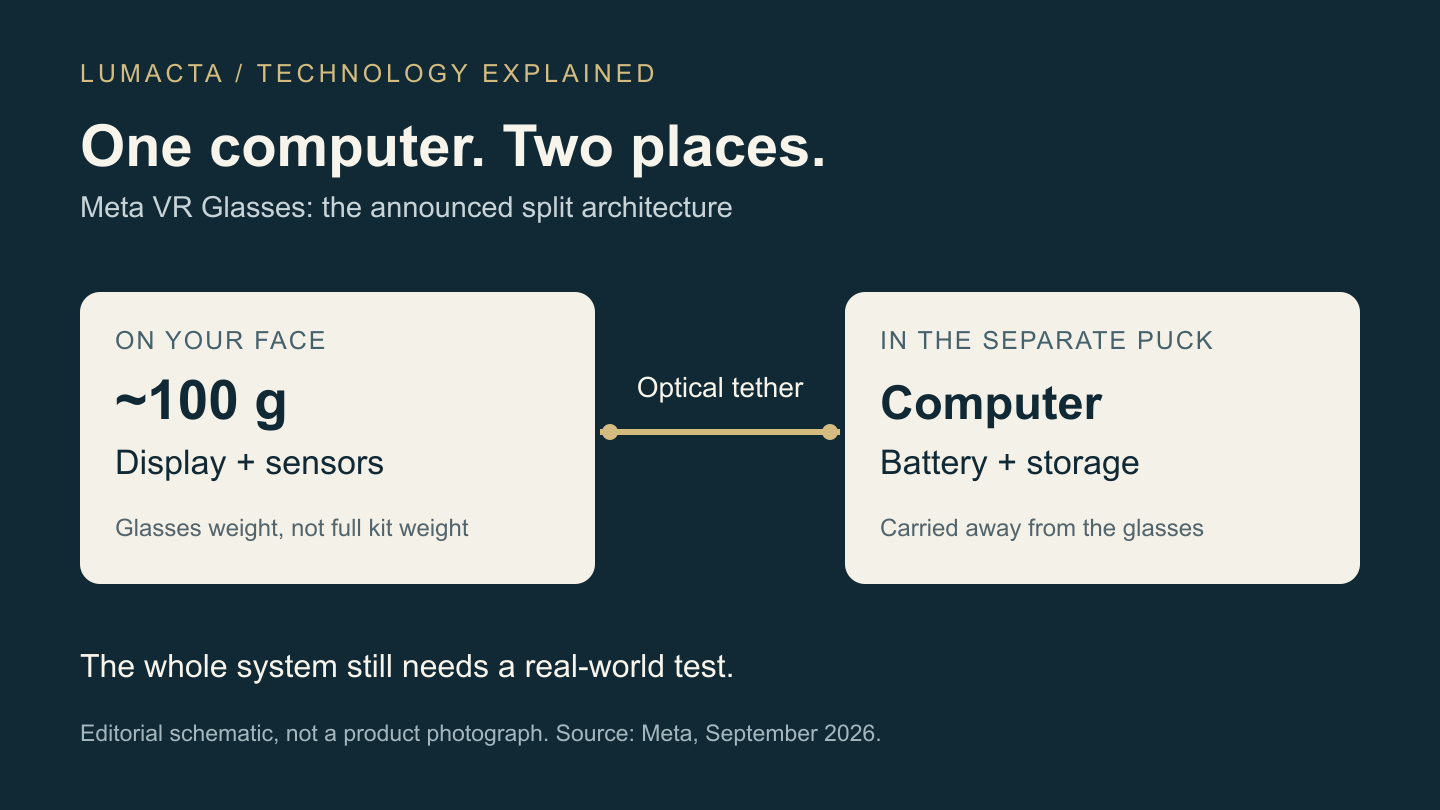
The next VR design separates the display from a pocket computer. Here is why that could help—and what buyers and developers should check before treating it as a laptop replacement.
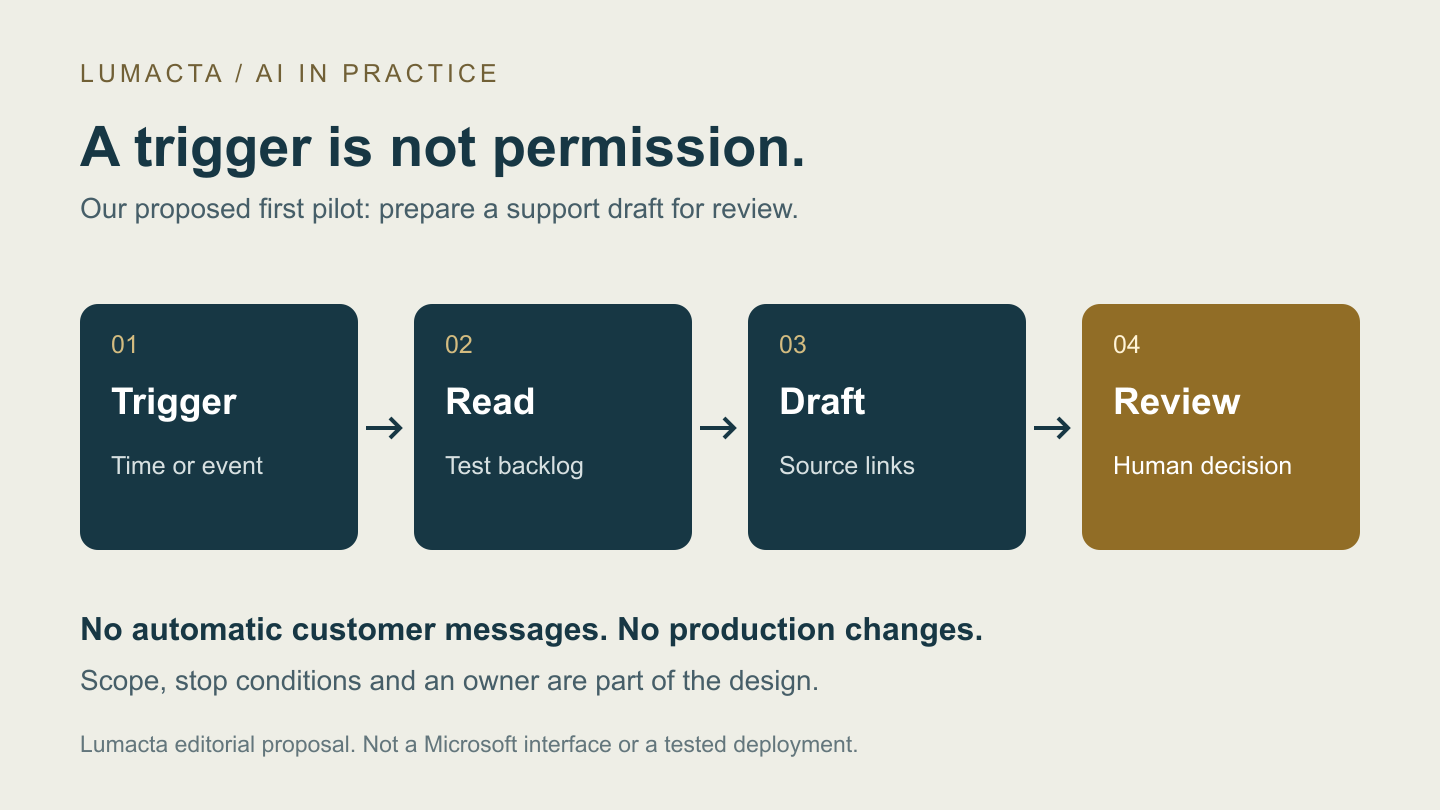
Foundry Routines have reached general availability. We explain the difference between starting an agent, letting it resume later and safely allowing it to change something.
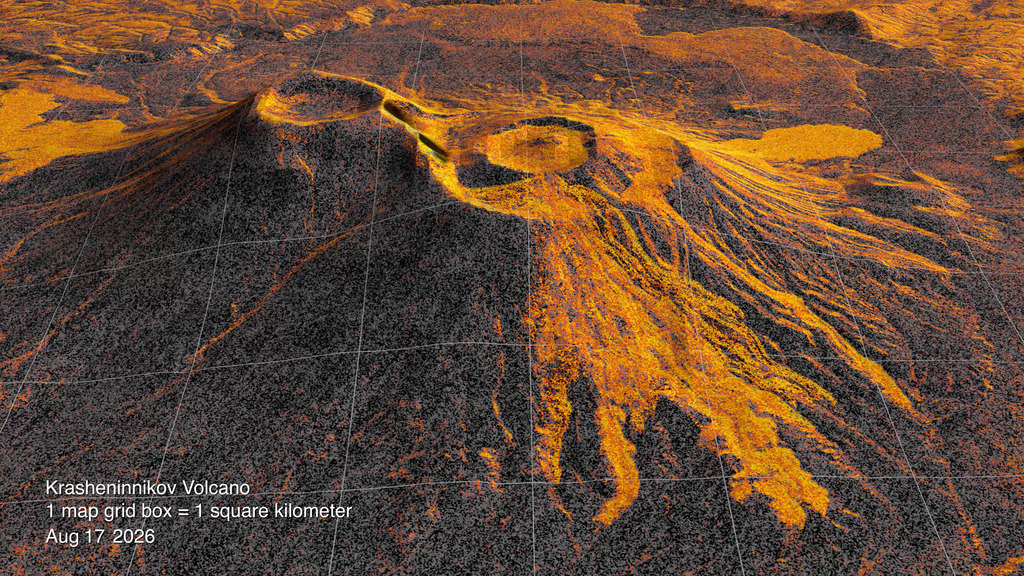
A newly released radar sequence follows months of lava growth in Kamchatka. We explain what the bright areas mean, what the sampling misses and why observation is not prediction.
New editing, testing and likeness tools could reduce production work. Their value depends on preserving meaning, understanding the rollout and measuring more than clicks.
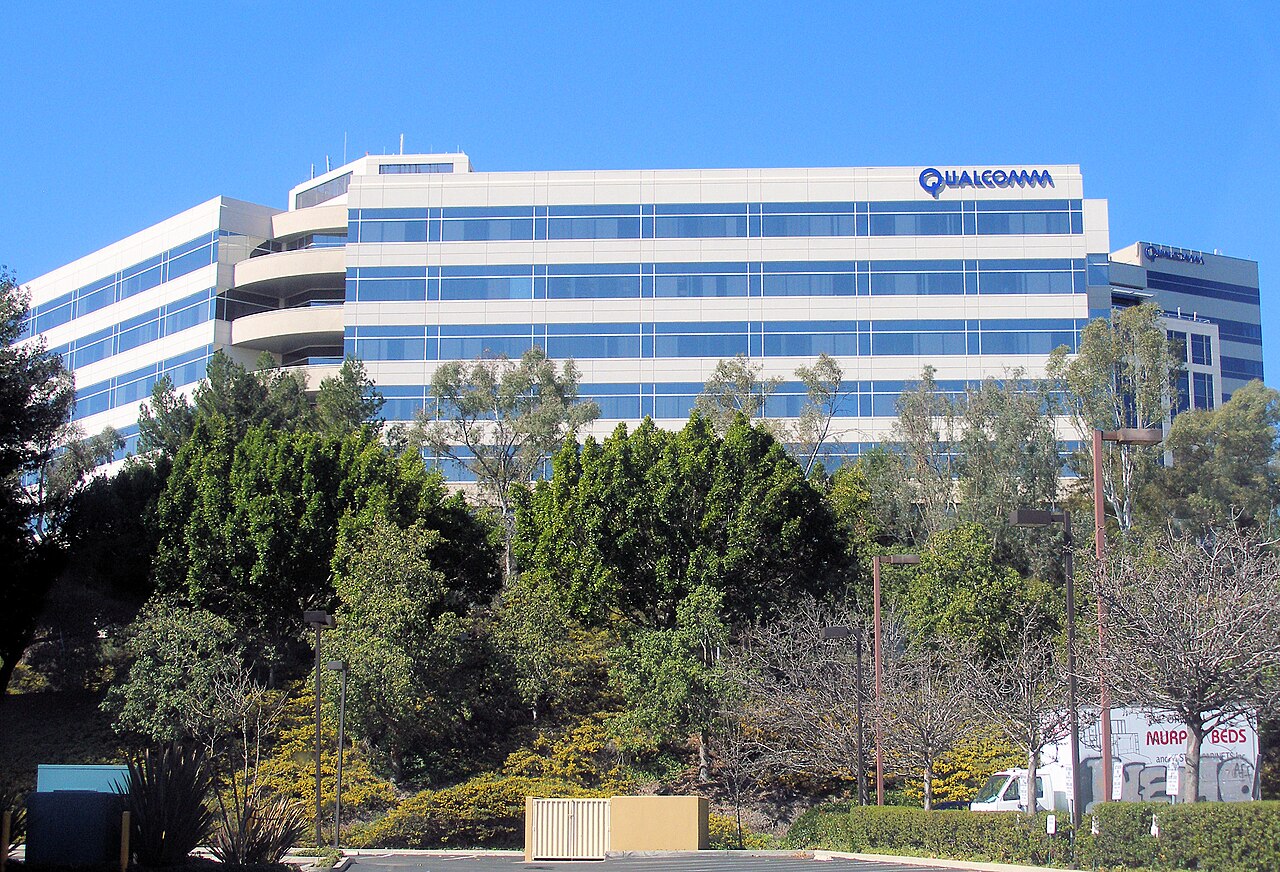
Qualcomm has opened an early developer preview, while Ubuntu support targets 2027. The real question is whether the complete laptop—not just its processor—will be dependable.
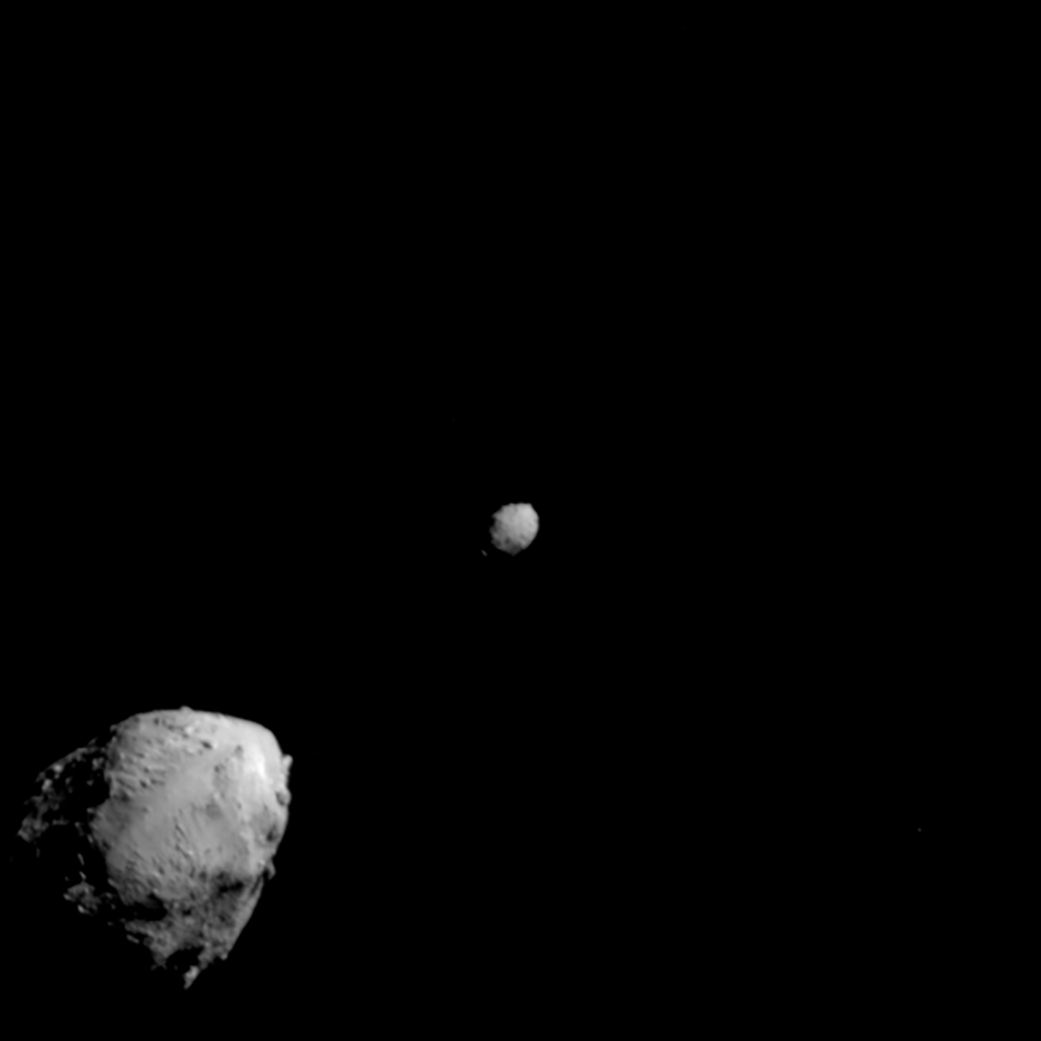
ESA says Hera is due to reach Didymos and Dimorphos in November. Close-up measurements could turn a successful impact experiment into a better-understood planetary-defence tool.
Qwen 4 is in training and a new accelerator is due in 2027. The bigger story is an attempt to control more of the machinery behind useful AI—and the limits of a launch-day scorecard.
A primate study follows neural activity as options become decisions. It suggests that the brain changes how information is organised—not simply which option is strongest.
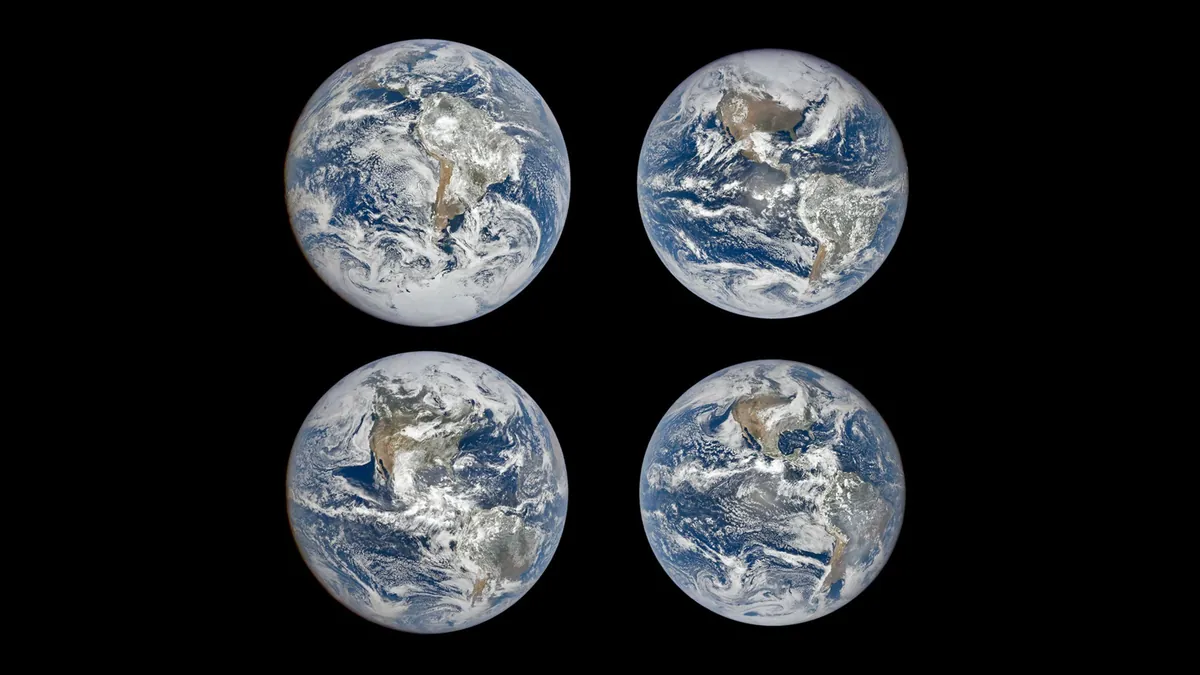
NASA's newly published EPIC comparison turns the equinox into a lesson in planetary geometry—and shows why a beautiful satellite image needs its date, distance and measurement context.
The new model targets longer coding and office tasks. Its launch is also a reminder that cheap tokens, fast answers and reliable results are three different things.
Researchers are reshaping the surface on which lithium accumulates. The laboratory result is promising—but smaller, lighter electric-car batteries are still a goal, not a product announcement.
The completed acquisition brings AI accelerators into a wider embedded-chip portfolio. For camera and robot makers, software support may matter as much as raw computing power.
Google is expanding its experimental assistant to families. The useful question is not how much it can remember, but what it should be allowed to see and do.
A new molecular-computing experiment performs arithmetic in liquid. Its significance is in the chemistry—not a claim that DNA is about to replace your laptop.
The new contract secures future transport to the International Space Station. Its price includes much more than launch—and its value depends on what that access enables.
A new update on MIT's climate-extremes programme shows why better models alone are not enough. The harder task is turning uncertain forecasts into practical choices about buildings, recovery and electricity.
MIT researchers have demonstrated neuron-like behavior using nanoscale motion. The intriguing result is a new computing building block—not a brain, a finished AI chip or a proven replacement for today's processors.
A SpaceX launch contract moves the small gamma-ray observatory forward. Its purpose is to connect brief flashes of high-energy light with gravitational waves—not to replace the giant telescopes already studying the universe.
A September trial combined authenticated navigation data with authenticated ranging. It is a meaningful anti-spoofing milestone—not a promise of unjammable navigation.
A robotic optics laboratory links assembly, alignment and repair. The useful breakthrough is a measurable feedback loop, not a machine that replaces scientific judgment.
Final guidance shifts attention from the sign-in screen to the credentials applications use afterward. Strong authentication still matters—but sessions need protection too.
An experimental interface decodes attempted speech and gestures together to control an avatar. The advance is about richer communication—not unrestricted mind-reading or a cure for paralysis.
KAIST-led research tackles a difficult connection inside atomically thin transistors. The result is promising, but a dramatic component-level improvement is not a faster AI processor.
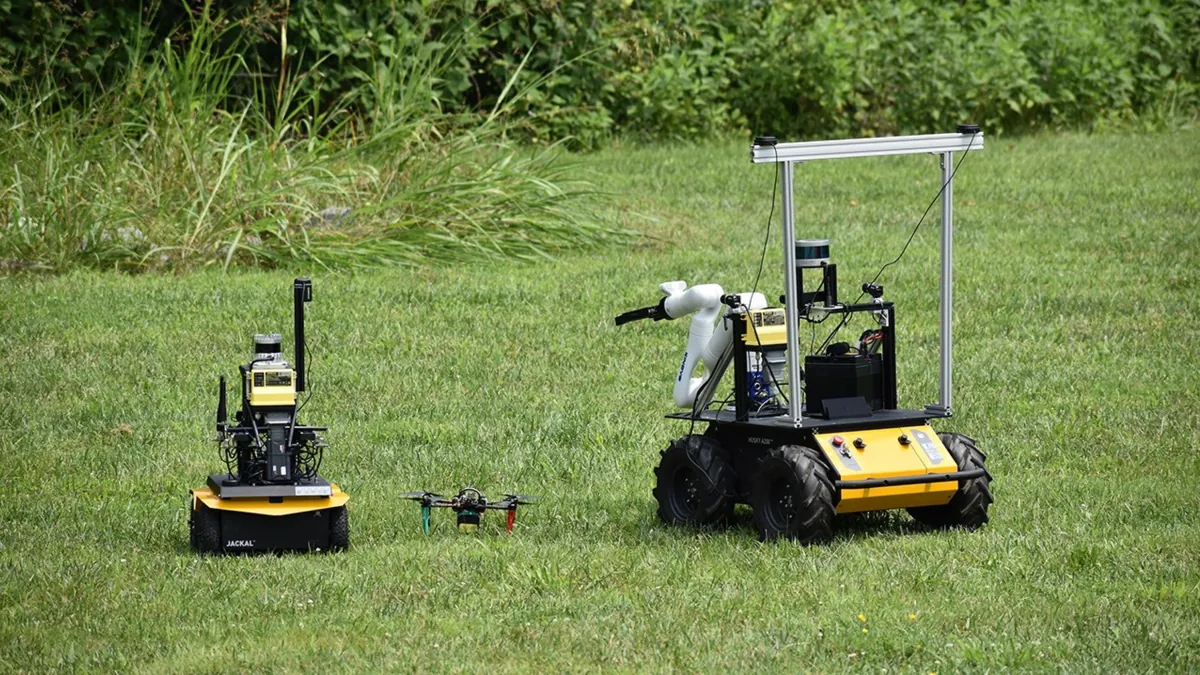
A drone and two rovers tested in Virginia point to a harder challenge in space robotics: deciding what deserves attention when Earth cannot answer immediately.
MIT spinout Atlas is taking recycled-plastic composites into construction. A bridge and earlier load tests make the story tangible—but long-term durability, feedstock quality and economics still matter.
Apple's new software release brings a broader set of AI features, but Siri AI has its own beta rollout and regional restrictions. Here is what the launch means beyond the headline.
A method highlighted by MIT on September 14 steers generative models toward outputs that obey strict constraints. Its promise is better control—not a blanket guarantee that a robot is safe.
A September report describes abuse detected on Anthropic's services. The cases deserve attention—but a company's selected investigations are not a worldwide measure of AI crime.
Arm's new mobile platform links C2 processors with a neural-graphics Mali GPU. The design targets more capable on-device AI, but its performance claims still need testing in finished phones.
ASUS's IBC showcase connects creative AI, workstations and professional displays. The interesting question is whether the complete production workflow improves—not simply how impressive a demonstration looks.
A research tool lets people repair selected parts of AI-generated objects before fabrication. Its small user studies are encouraging—but an editable model is not the same as a tested, reliable product.
MIT researchers combine a chemical reaction with electrically assisted hydrogen separation. The laboratory result points to a better way to use ammonia as a carrier—but does not yet establish cheaper or cleaner hydrogen at industrial scale.
A new public invitation asks volunteers to inspect real Euclid data and help identify unwanted artifacts. The aim is more trustworthy astronomy—not a claim that an AI system has already solved dark energy.
Reporting duties under the Cyber Resilience Act began on September 11. Here is what changes for connected products, why the deadlines matter, and where the promise of safer technology still needs to be proved.
MAPL-EMIT turns space-station observations into possible methane sources. Its most important reading instruction is to check the confidence label before trusting the dot on a map.
A newly released research model brings lunar observations together. The opportunity is better scientific questions, not an AI-certified route to a Moon base.
Their new collaboration covers customized chips and optical connections. The story is not just how quickly a processor works, but how efficiently the surrounding system can keep it busy.
Google DeepMind has released a map of possible single-letter DNA changes. Its promise is to help researchers choose better experiments, not to read a person's medical future.
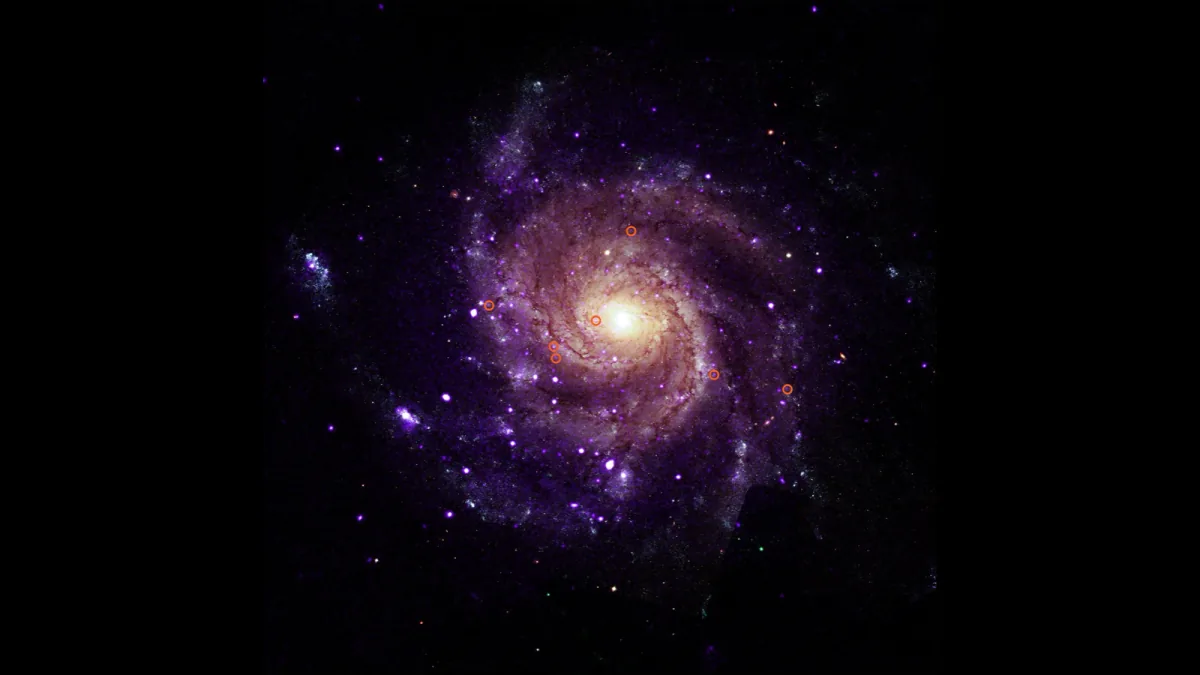
X-ray: NASA/CXC/Univ. of Alabama/M. Muhibullah et al.; Optical: NASA/ESA/STScI; Image Processing: NASA/CXC/SAO/N. Wolk · Full frame resized and padded by LUMACTA NEWS
A new study identifies objects that shine at the low-energy edge of X-ray vision. They may reveal overlooked stellar systems, but their exact identities remain unresolved.
The planned data-centre investment comes with a 22-year nuclear power agreement and a large battery project. Understanding the deal means separating construction promises, electricity contracts and local benefits.
Apple's updated lineup confirms its first folding iPhone alongside the iPhone 18 Pro. A different screen format and new camera controls bring fresh choices, but launch claims still need real-world testing.
The US rollout moves beyond answering questions toward doing tasks. Its promise of saved time comes with a more consequential question: how much access should an AI agent receive?
Two Windows flaws were already being exploited when Microsoft issued its September security fixes. Subsequent updates now matter too: this September 23 revision explains what changed, which problems remain, and how to check that patching is actually complete.
Apple's next presentation begins at 10 a.m. Pacific on September 9. The invitation confirms how to watch; the product lineup, prices and delivery dates still await announcement.
The September 8–11 meeting in Seville has ended. ESA Space Safety reports growth in the Zero Debris community and new policy working groups; neither development should be confused with proof that orbital debris risk has already fallen.
A new research paper connects product design, systems modeling and shared data. The challenge is to make repair, reuse and material recovery measurable across a product's entire life.
A three-month accelerator will give teams across Asia-Pacific access to Google models, engineers and mentoring. The cohort is credible; measurable environmental outcomes are still ahead.
The $12.93 billion agreement would put a central model-sharing platform inside the dominant AI-chip company. Hardware neutrality is promised; closing and long-term behavior remain ahead.
Agents now perform days of technical work inside OpenAI, according to a company report. They also require substantial steering, face bottlenecks and have triggered tighter safety controls.
The IFA announcements put memory capacity and pen input in the spotlight. For creators, the deciding questions are still software compatibility, sustained performance and the price Lenovo has not announced.
Screen Sync and a lower-priced 4K HDMI box target different living rooms. The practical choice starts with where your programmes come from, not how colourful the demonstration looks.
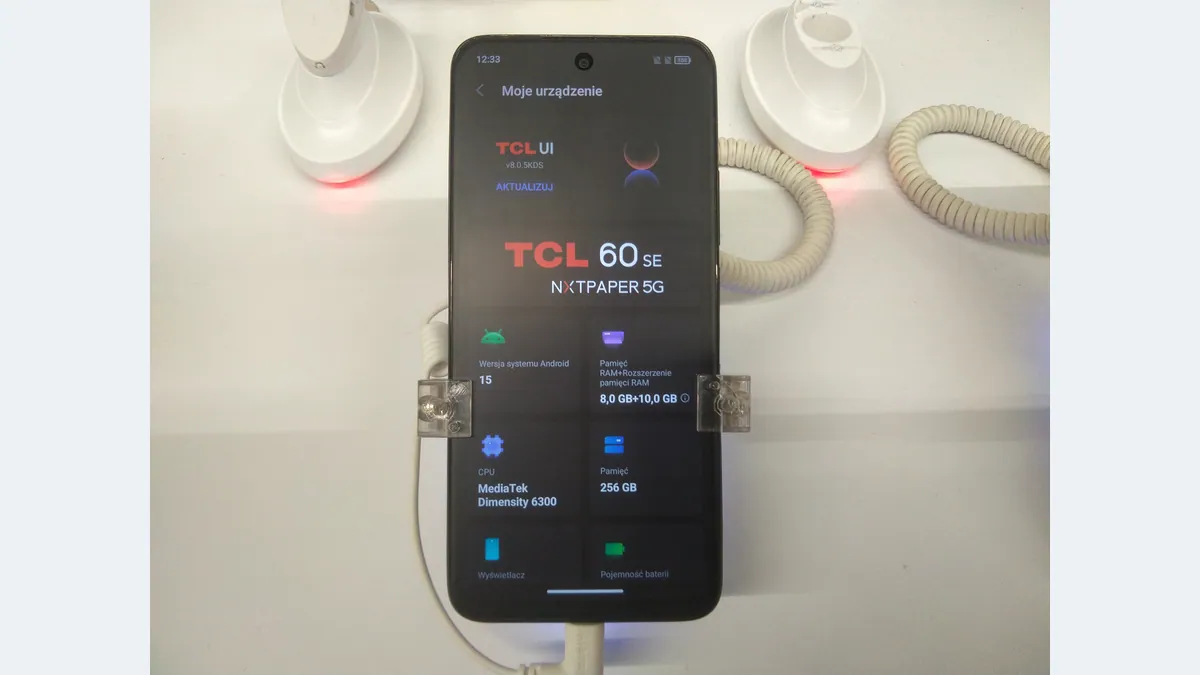
NXTPAPER meets AMOLED in a phone aimed at more than a brighter shop-floor demonstration. Here is what the specifications establish — and what only time with the display can answer.
Astra promises better follow-through, not just better answers. We compare it with older GPT models, Claude, Gemini and DeepSeek — and explain why intelligence needs more than an IQ headline.
The useful question is not how many features Google announced, but which everyday problem each one solves—and what happens when its answer or sharing settings are wrong.
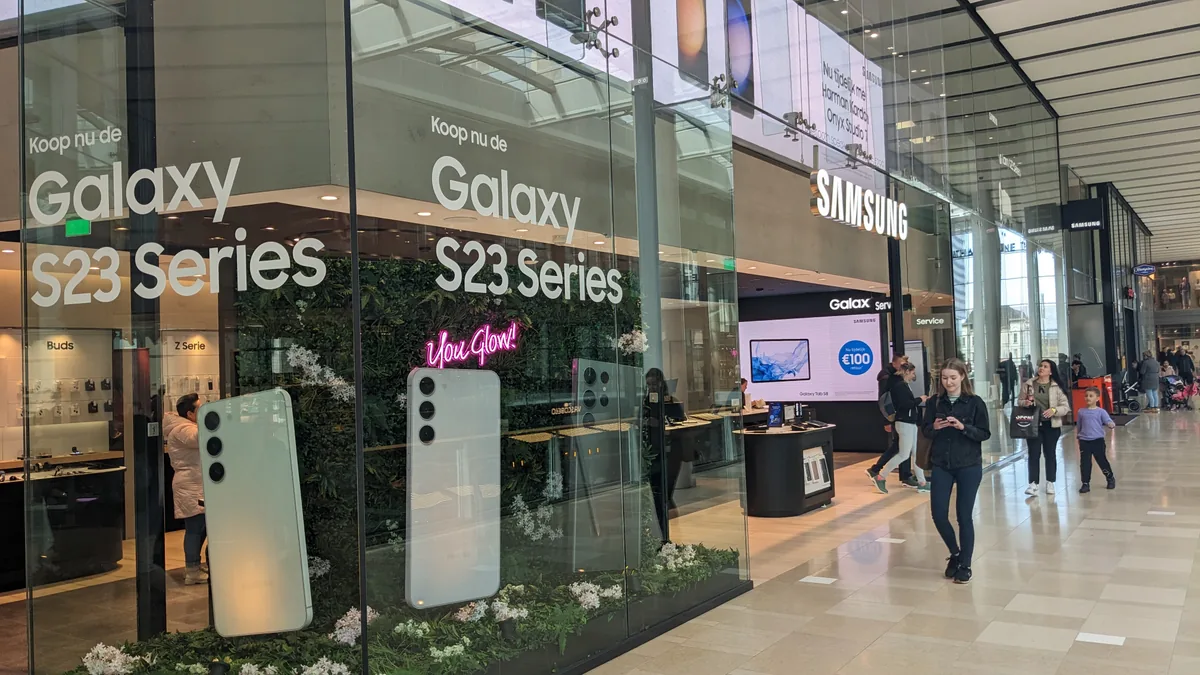
From Galaxy devices to gaming screens and appliances, Samsung Connect in Berlin sells a shared ecosystem. The interesting question is how much of that promise survives outside the demonstration room.
Swift has produced a fresh gamma-ray-burst alert, but its cancelled rescue remains cancelled. The latest science report and LINK’s earlier robotics demonstration answer different questions about the future of the observatory.
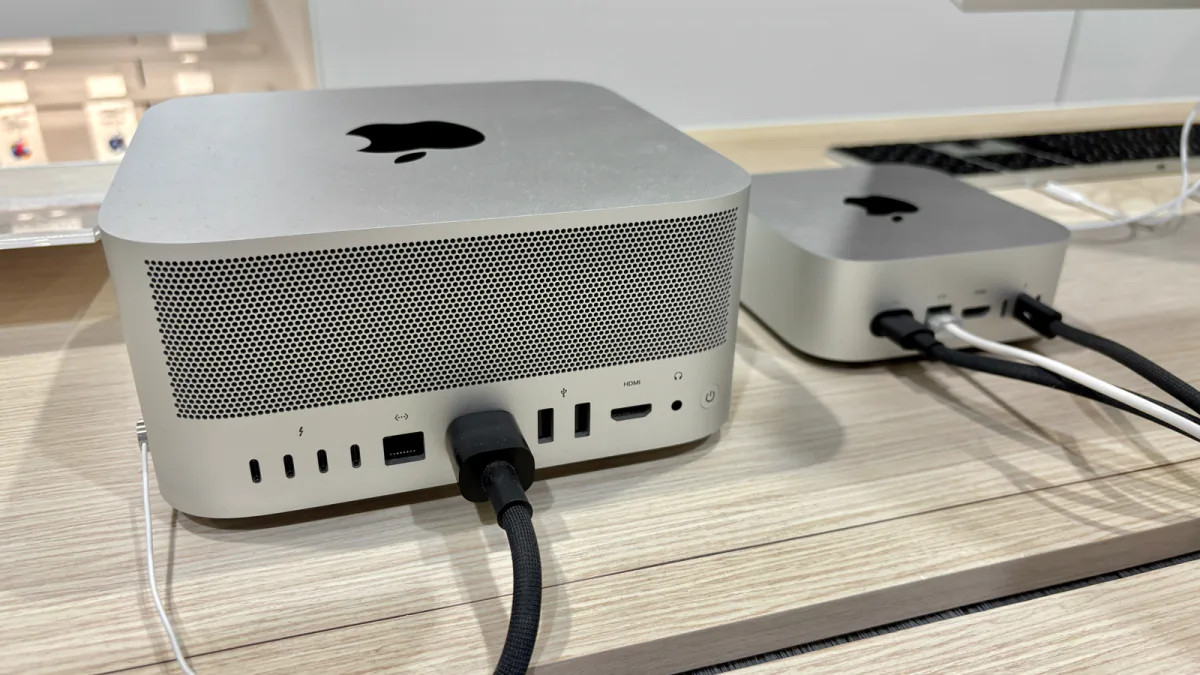
The M6 and M5 Pro Mac mini, alongside Mac Studio with M5 Max or M5 Ultra, put Neural Accelerators, faster unified memory and multi-Mac clustering at the centre of Apple's desktop pitch. The systems arrive September 22, but the performance numbers are Apple's and still need independent testing.
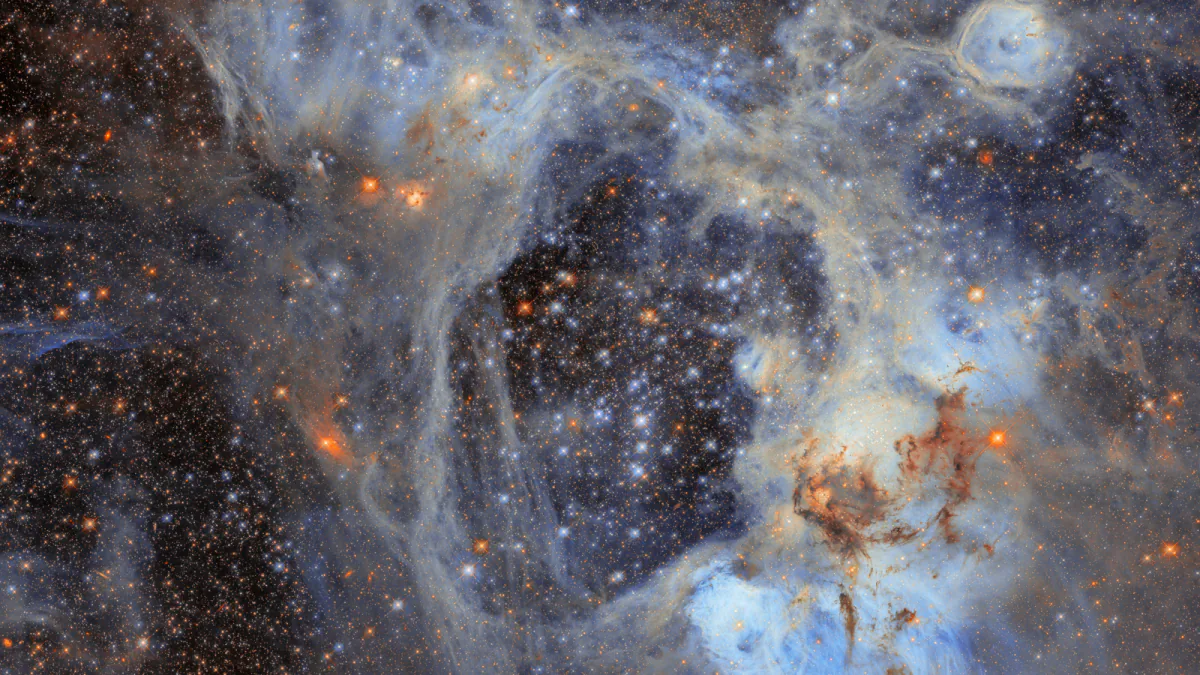
The N44 portrait is a spectacular picture—but the stellar census behind it comes from measurements and classification. The catalogue covers a wider survey field, not just the hollow interior of the superbubble.
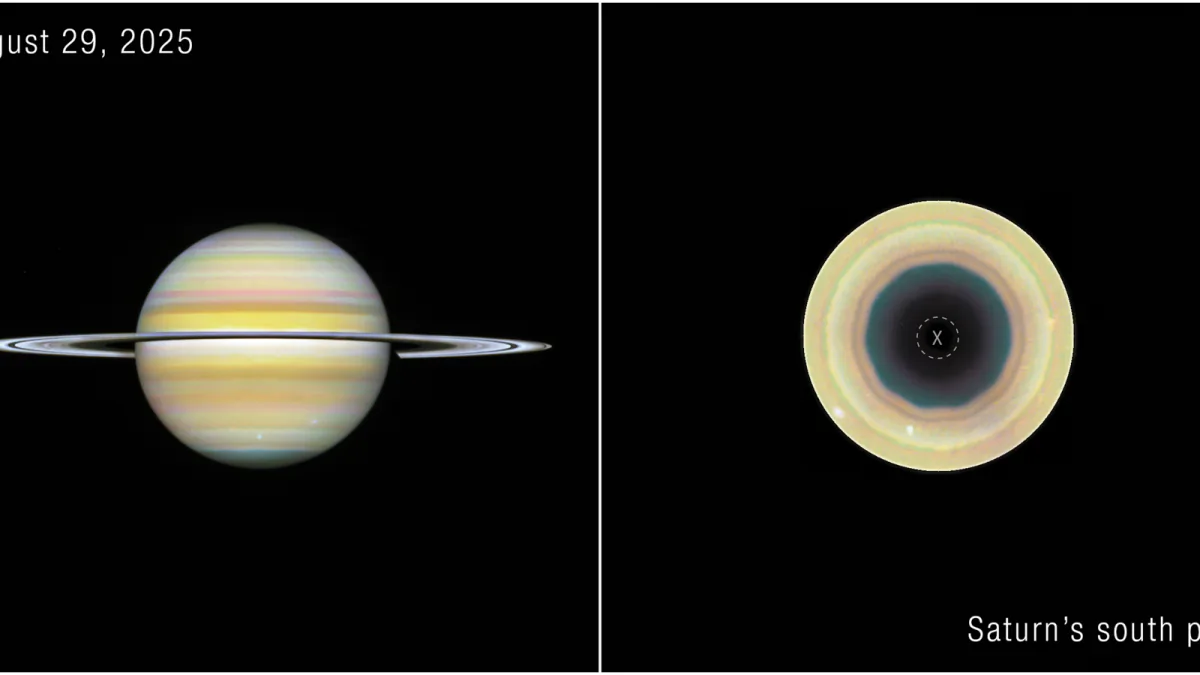
NASA, ESA, STScI, A. Sánchez-Lavega (University of the Basque Country), A. Simon (NASA-GSFC), M. Wong (UC Berkeley); Image Processing: A. Pagan (STScI) · CC BY 4.0
Observations dating back to 2023 reveal an evolving decagon inside a southern jet stream — the first large regular-sided pattern identified in Saturn's southern hemisphere. Researchers do not yet know why it formed or whether it will persist.
NIST IR 8615 calls for common trust models, traceability across the semiconductor life cycle, stronger incentives, scalable verification and a larger hardware-security workforce. It is a workshop report, not a binding standard.
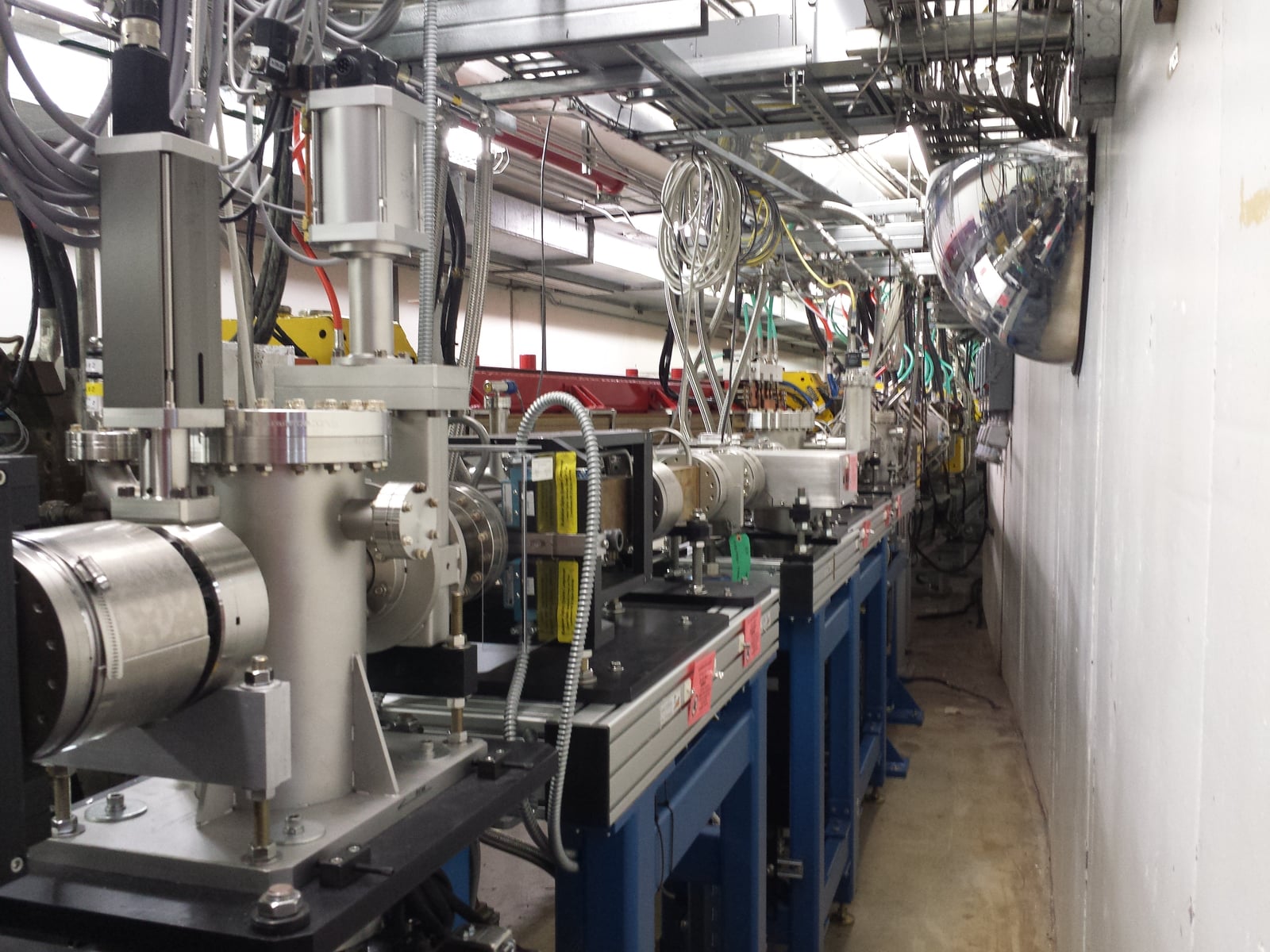
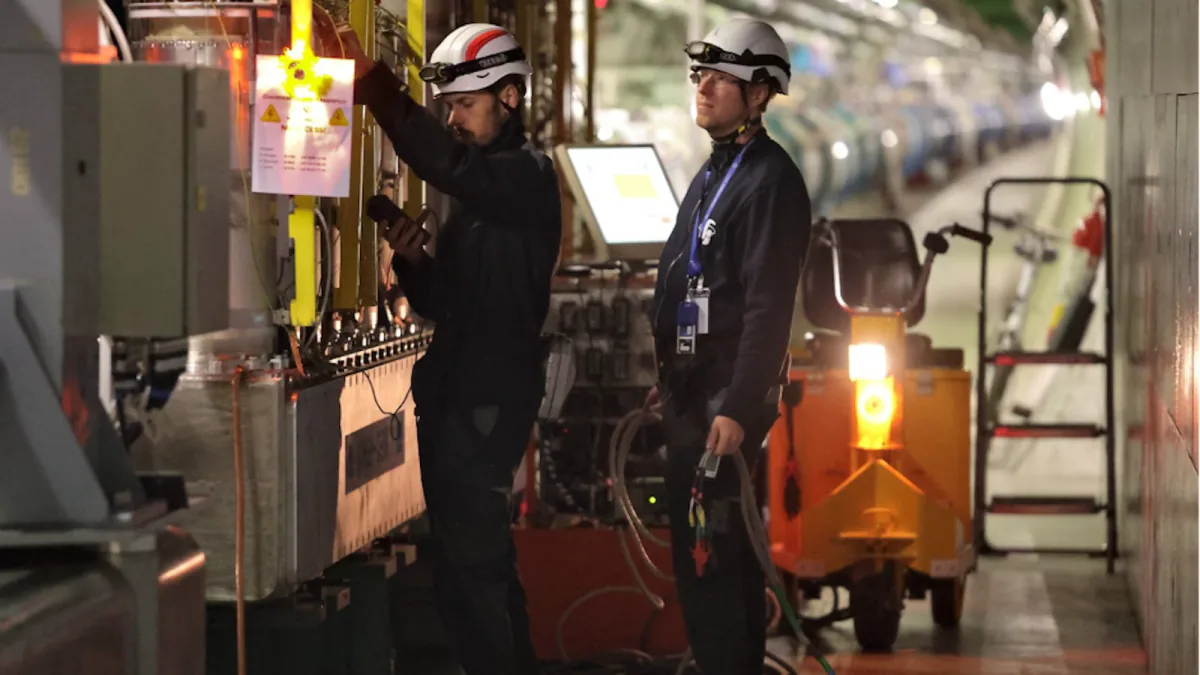
During Long Shutdown 3, the ElQA team is testing more than 1,600 superconducting circuits around the 27-kilometre collider while magnet, diode and High-Luminosity LHC work proceeds. The checks are a prerequisite for hardware commissioning, not a restart announcement.
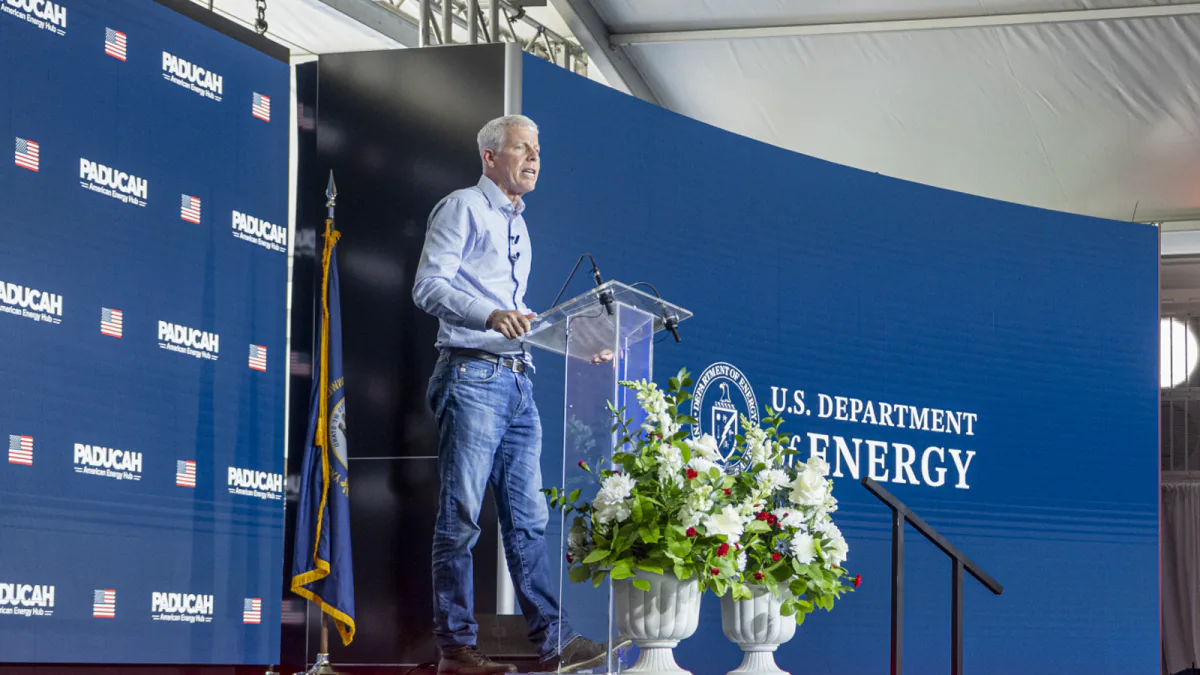
The U.S. Department of Energy, Brookfield and NextEra Energy describe a privately financed AI and high-performance computing campus on 785 acres of the former Paducah uranium-enrichment site. The public releases agree on the planned power assets, but not on the completion year or on how 1.8GW of campus capacity relates to more than 1.2GW of compute.
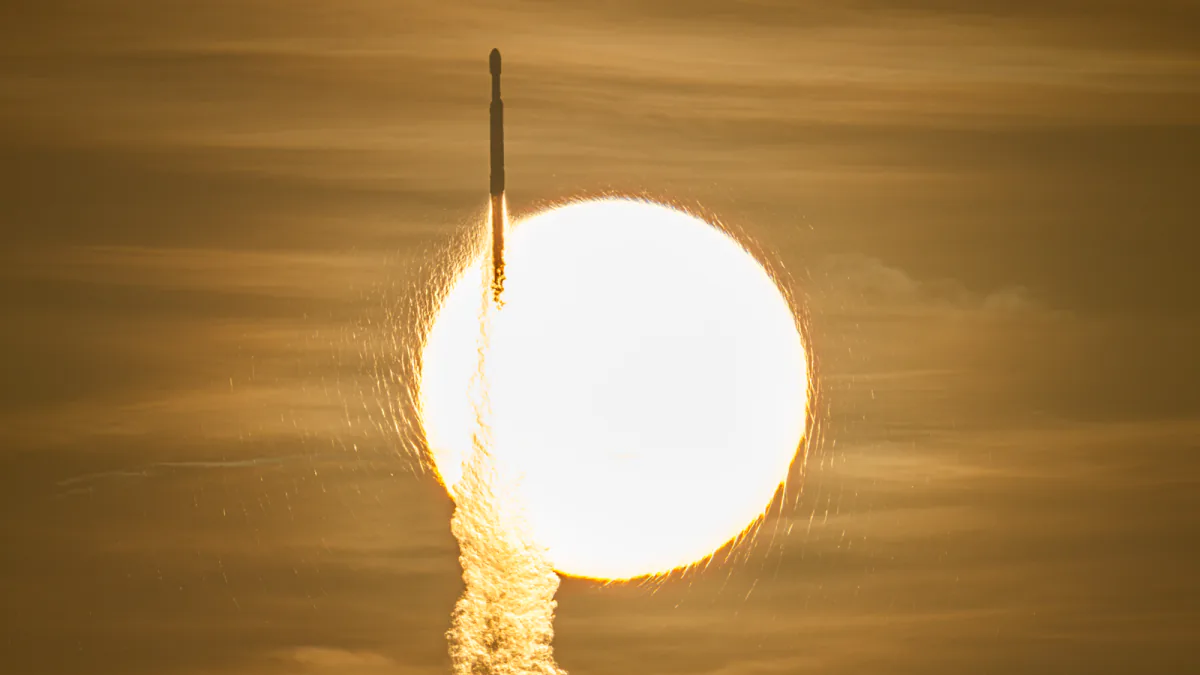
Roman lifted off at 7:26 a.m. EDT on August 30 and separated from Falcon Heavy at 7:57 a.m. NASA says its solar arrays and sunshade deployed 1 hour 23 minutes after launch, and the observatory completed its first mid-course correction on August 31 while heading toward Sun–Earth L2.
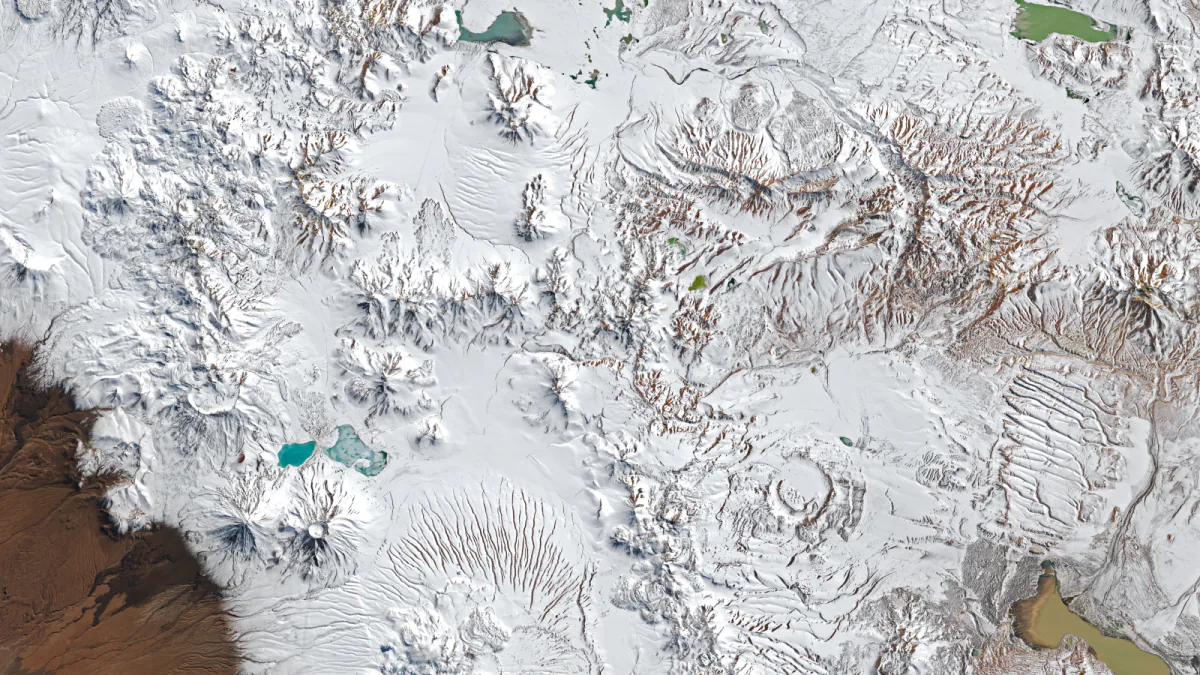
Landsat 8 imaged Chile's Chajnantor Plateau on August 6, 2026. Landsat 9 returned on August 14 after a period of severe weather, showing the same terrain blanketed by snow. A separate Terra MODIS view from August 19 documented a broader regional event extending from the Andes across the Atacama's hyper-arid core to near the Pacific coast south of Antofagasta.
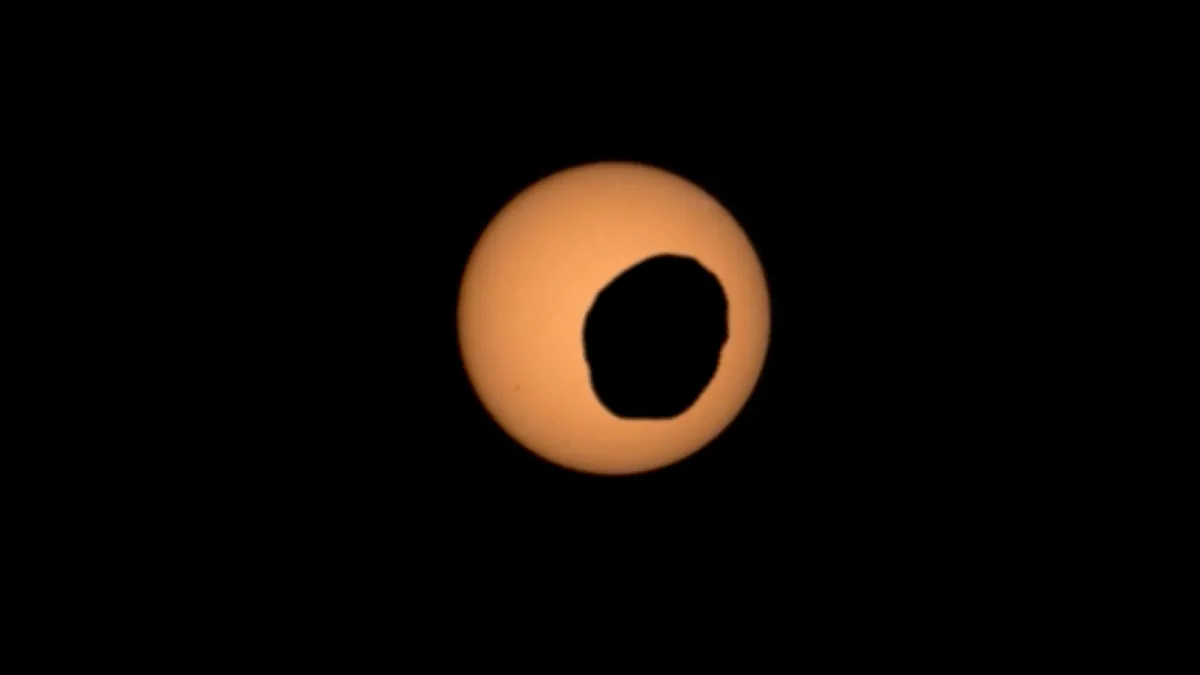
Perseverance's Mastcam-Z camera recorded Phobos crossing in front of the Sun on August 12, 2026, the rover's 1,948th sol. NASA tinted the animation to simulate a view through protective solar-eclipse glasses, while comparisons with earlier transits help scientists track changes in the Martian moon's orbit.
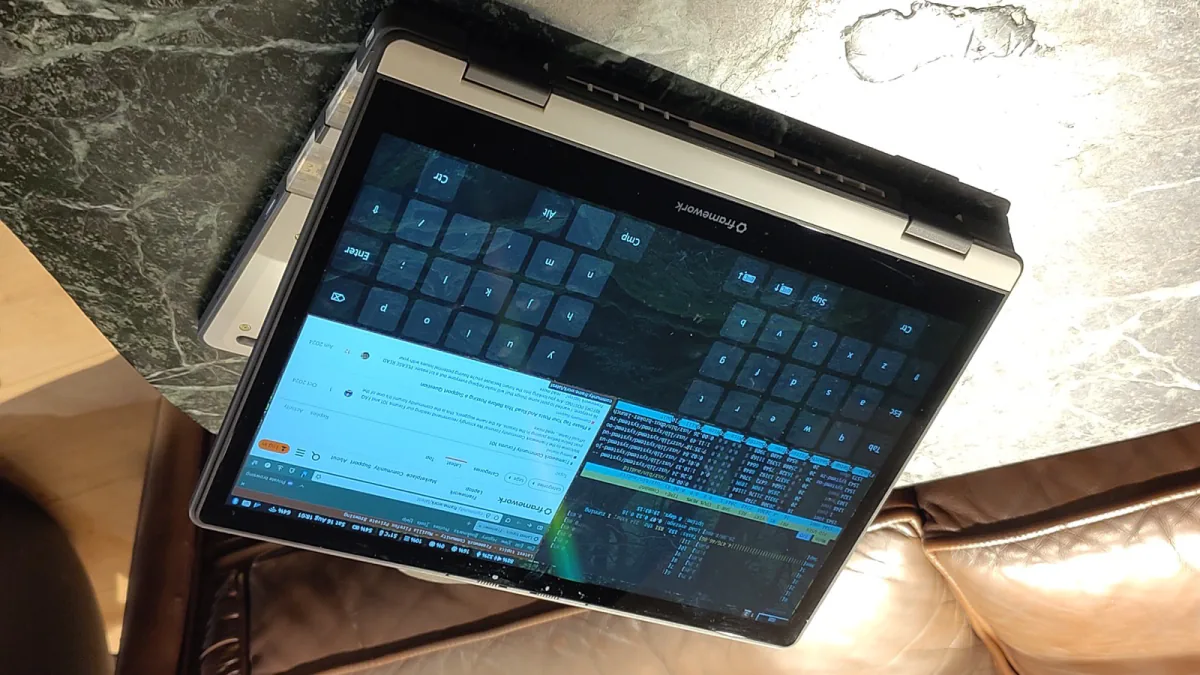
Keeping the chassis is a meaningful option, not an automatic saving. The best upgrade decision starts with the condition of the laptop you already own and the specific limitation you need to fix.
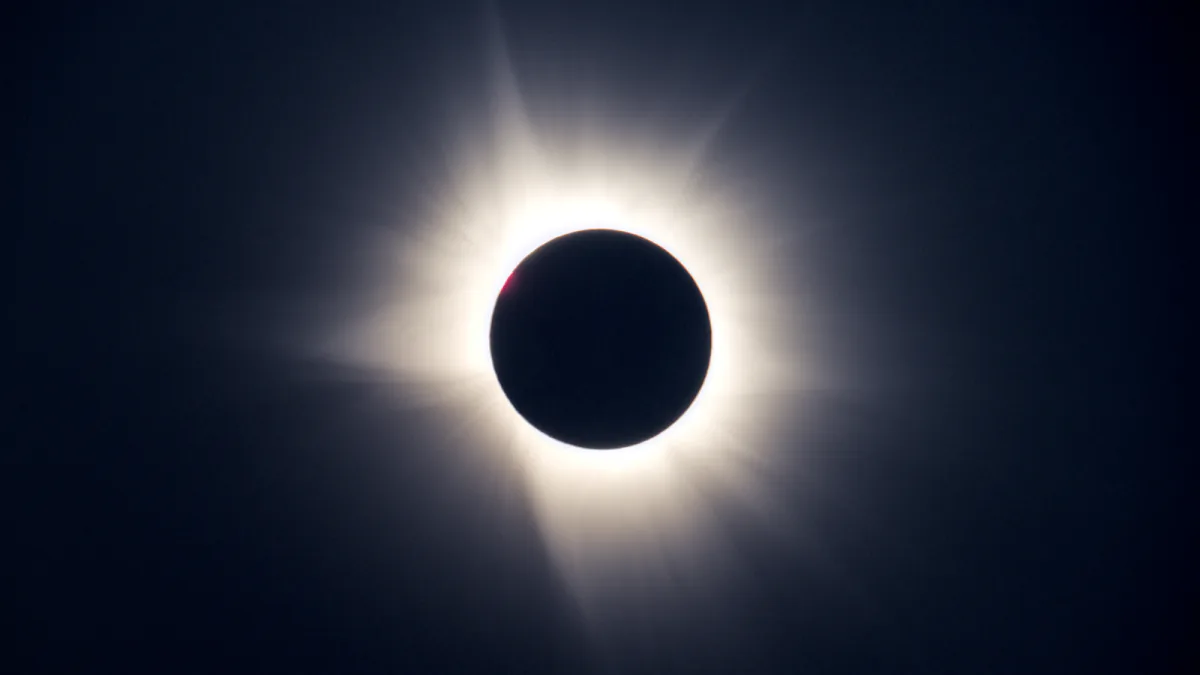
Victor R. Ruiz's CC BY 4.0 photograph records the Moon's silhouette and solar corona from Molina de Aragón, Spain, on August 12, 2026. It documents the exact event in a single processed exposure, not a calibrated scientific measurement.
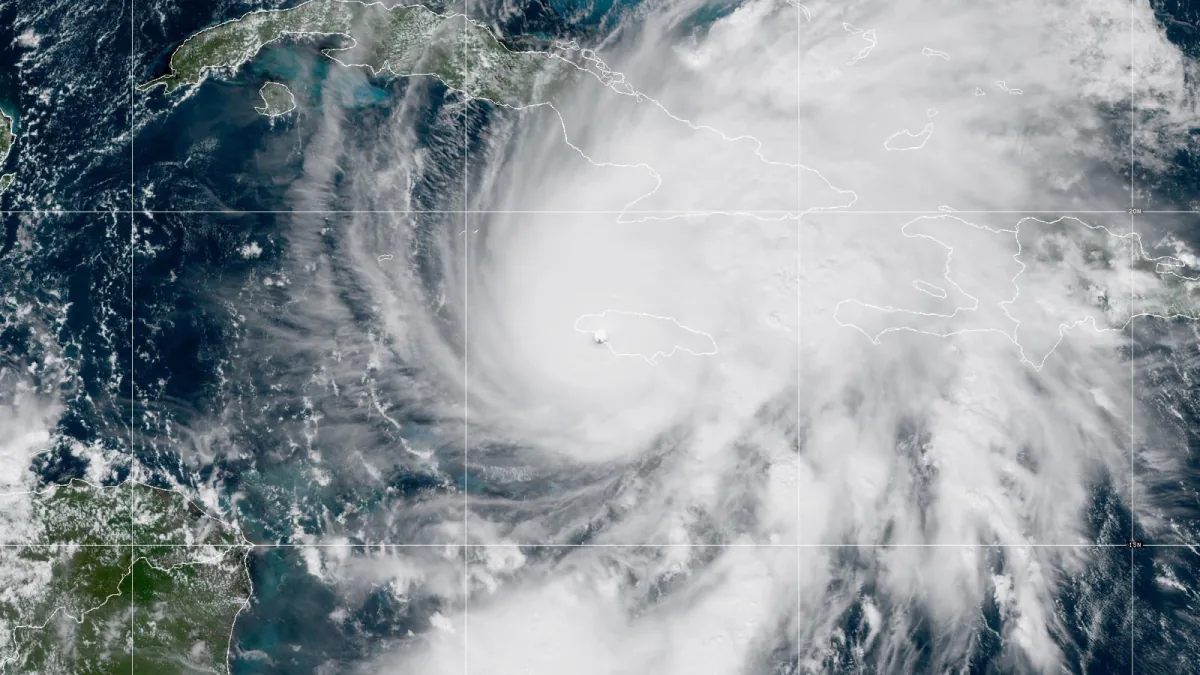
DeepMind says three-day track, intensity and wind-structure predictions matched the accuracy leading earlier systems reached at two days. Code and model weights are now public, but the benchmark is historical and official weather warnings remain authoritative.
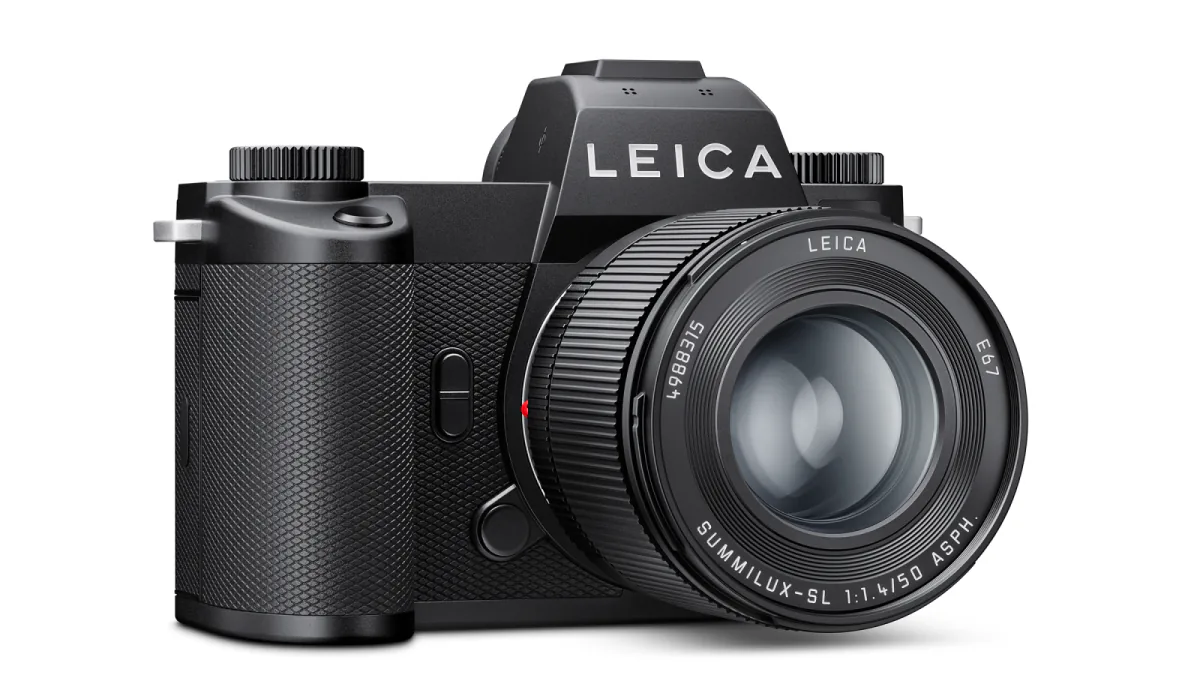
Leica's 44.9-megapixel effective full-frame hybrid records 8064×5376 3:2 Open Gate video at up to 24p, can upload stills and proxy video to Adobe Frame.io over Wi-Fi, and can add optional C2PA Content Credentials to still images. The combination may make capture and hand-off more flexible—but provenance is not proof that a photograph is factually true.
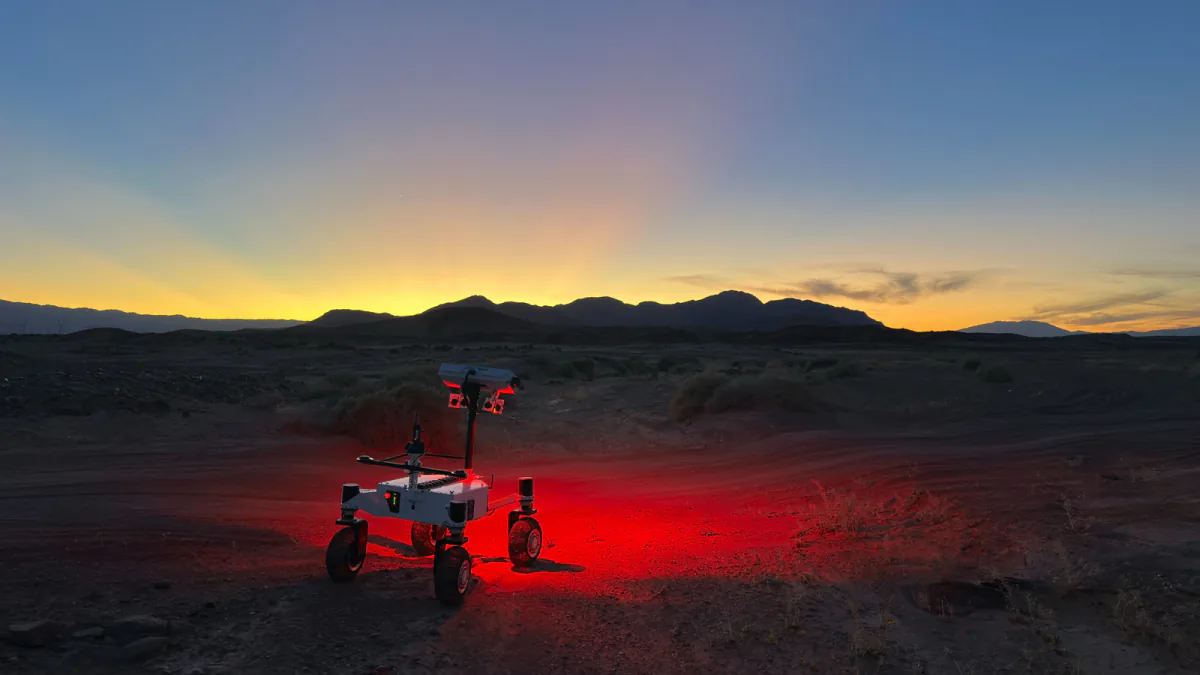
JPL trained ERNEST's active-suspension controller in simulation and tested it on obstacle courses in the Mars Yard. A separate 26-kilometre desert campaign exercised longer-range autonomy with minimal intervention; integrating the two capabilities is the next research step. ERNEST is a research testbed; NASA/JPL's release does not announce a flight assignment.
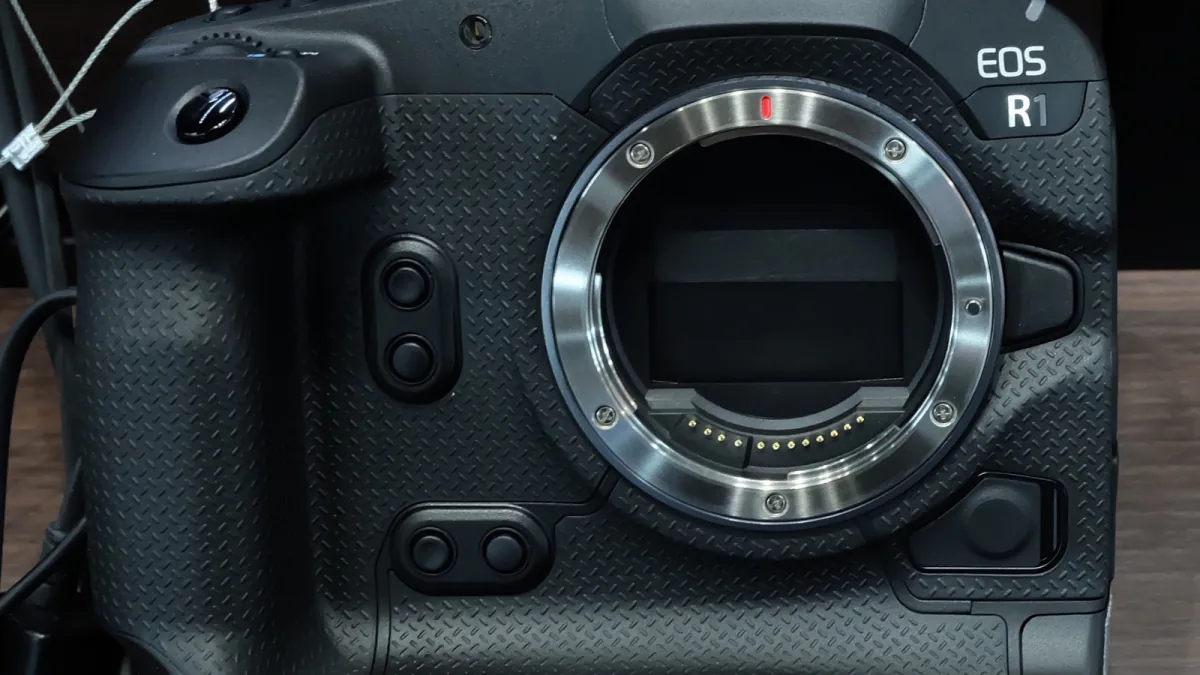
A camera can help establish a photograph’s history without proving that its caption is true. Canon’s provenance announcement matters most when a publisher can carry that distinction through editing and delivery.
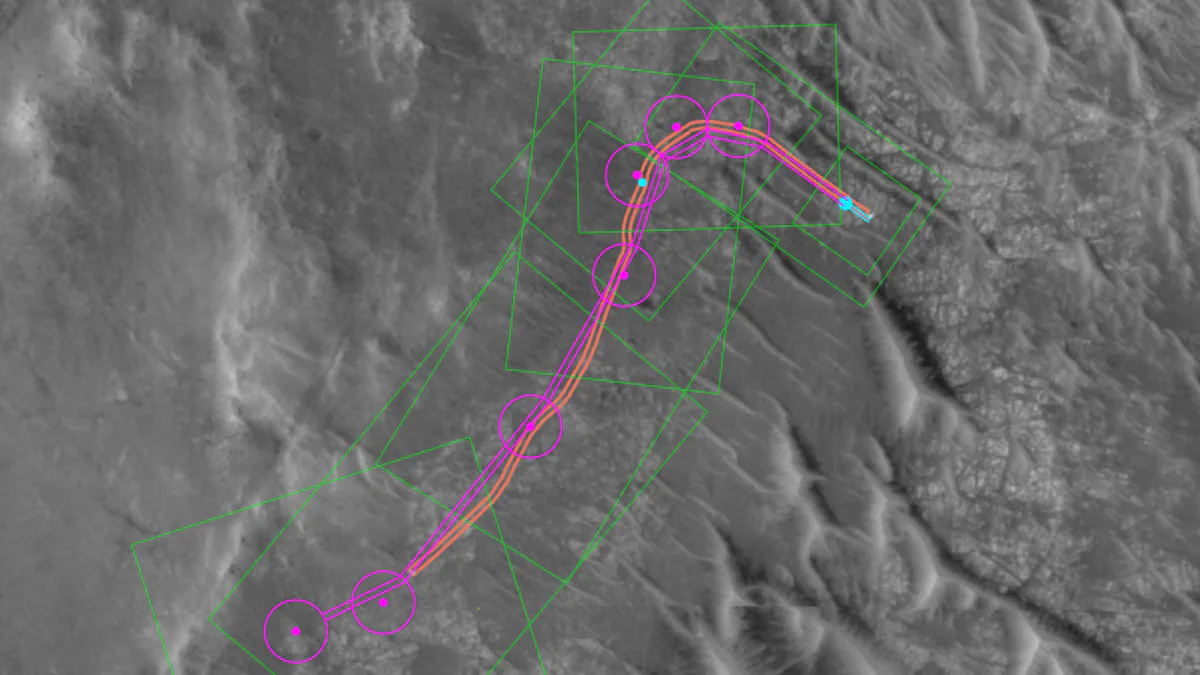
Vision-language models generated waypoints for two Mars drives, and JPL engineers checked more than 500,000 telemetry variables for flight-software compatibility before uplink. The experiment changed ground planning; it did not hand unrestricted control to an onboard agent.
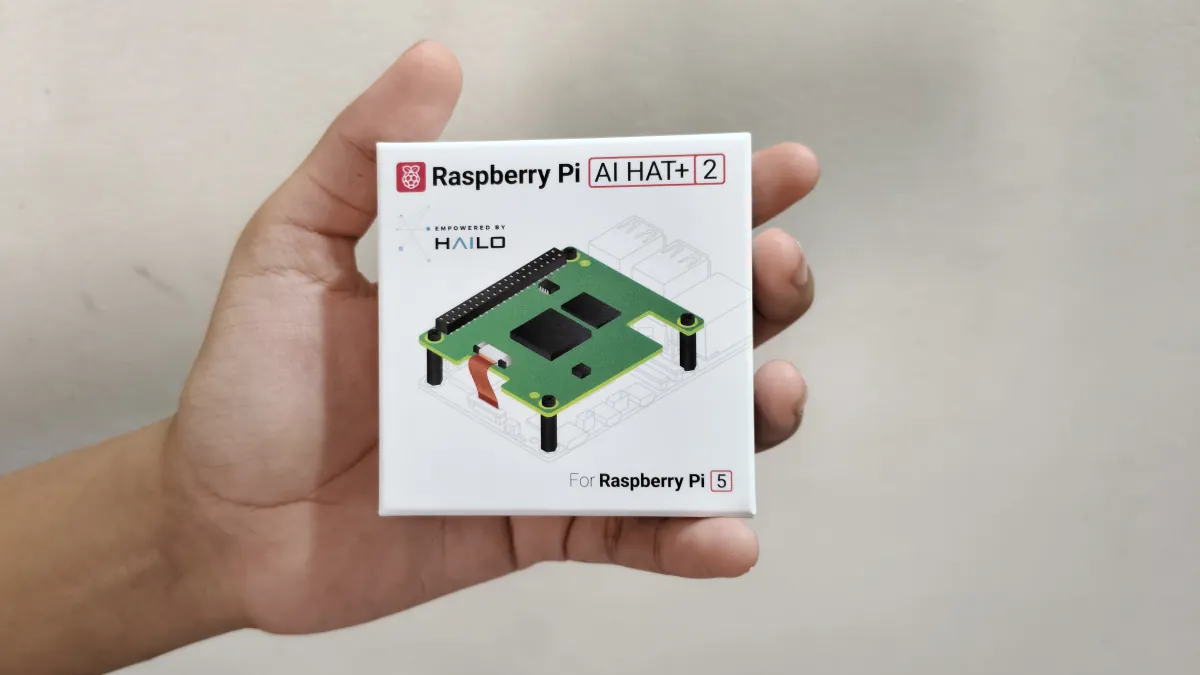
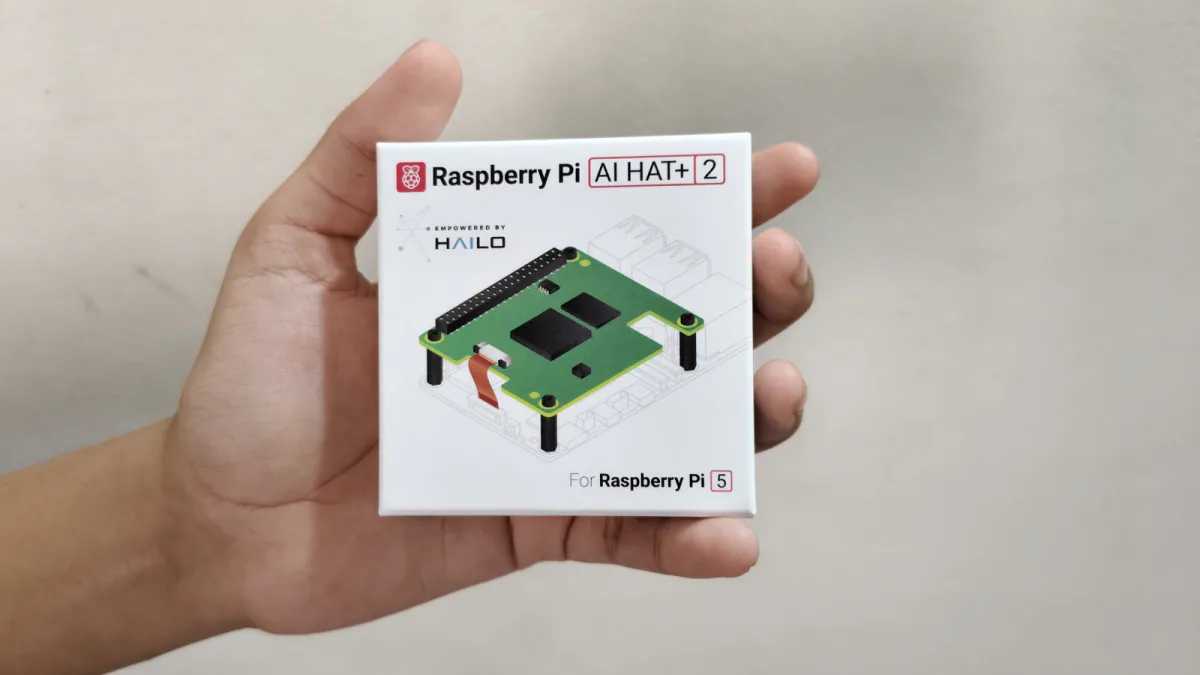
At launch, Raspberry Pi listed the AI HAT+ 2 at $130. The add-on combines a Hailo-10H accelerator rated at 40 TOPS for INT4 inference with 8GB of dedicated memory for local language and vision experiments. Those are product specifications for constrained edge models, not evidence that it can replace frontier cloud systems.