Space missions, Earth observations, physics, materials and biological research. Follow the measurements, experimental limits and questions behind the findings.
Start with the evidence
Choose a question, then follow how an observation becomes an explanation. Publication dates, measurements and future plans remain distinct.
How should we read an Earth observation?
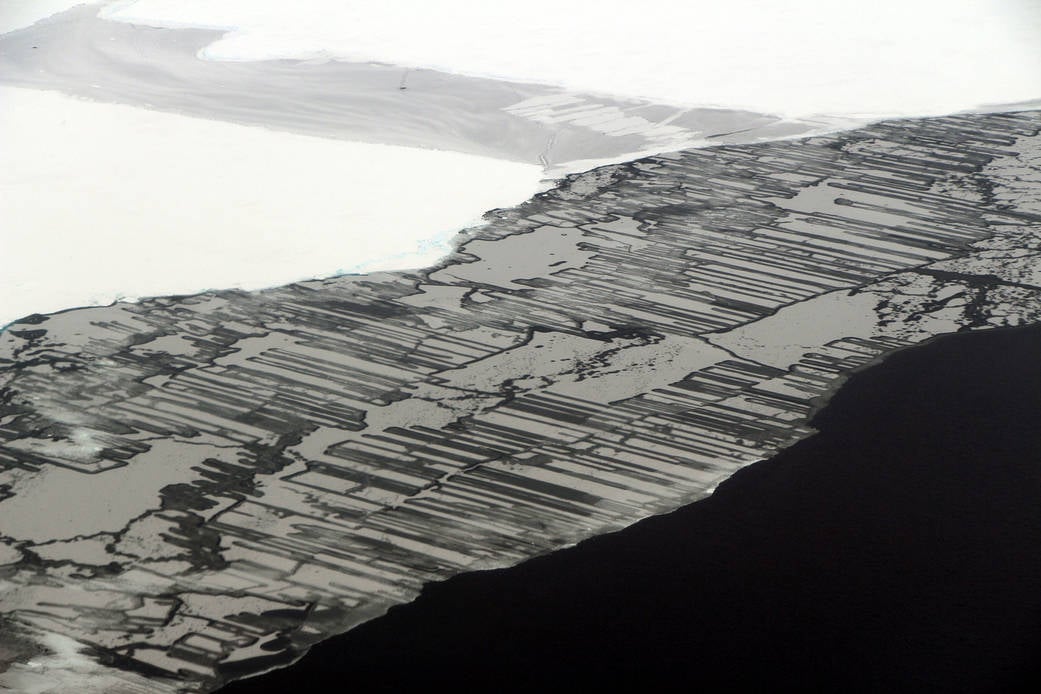
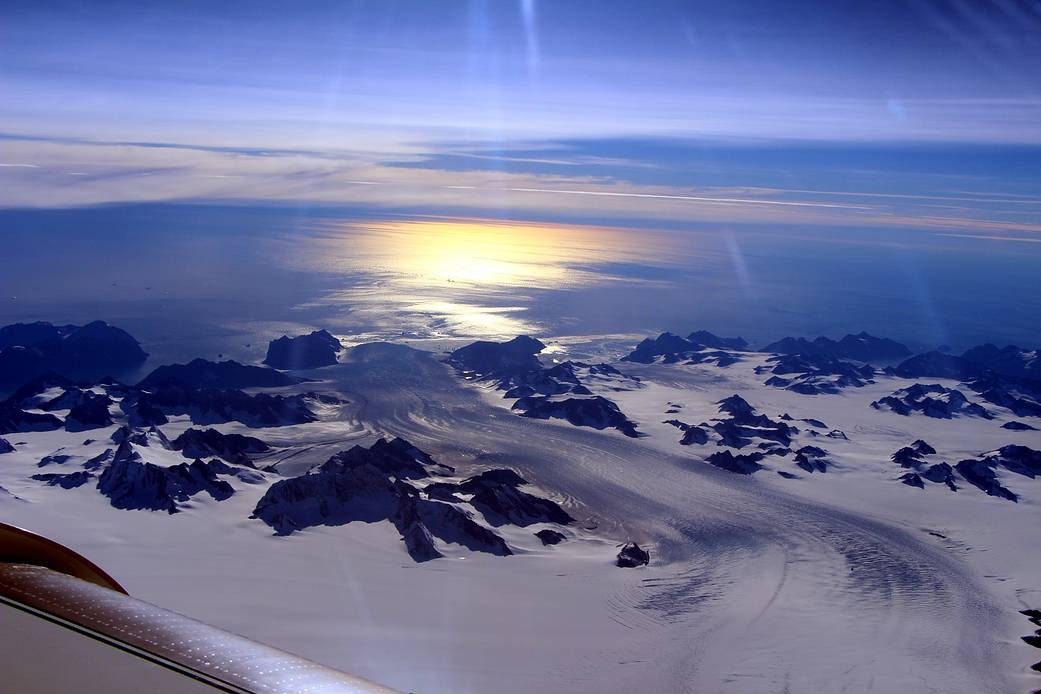
Start with measurement limits, then compare ice, terrain and repeated observations.
The landscape is beautiful, but the useful story is how a measurement becomes a picture. Our explanation separates the date of a view, the area represented by a pixel and the questions that color alone cannot answer.
A new observational study separates rapid failure from a self-sustaining cascade. Our explanation follows the competing physical effects, an original arithmetic example and the limits of drawing a reassuring conclusion.
New research separates finding a plume from estimating its size. We examine the experimental controls, explain a misleading AI statistic and calculate why an alert needs a denominator.
An October 12 report concerns a September observation. We explain what the ranking measures, why thresholds matter and how to avoid turning one seasonal snapshot into an unsupported prediction.
An experiment can become more orderly without protecting arbitrary information. We explain the result, distinguish the publication date from the earlier preprint, and show why the target matters.
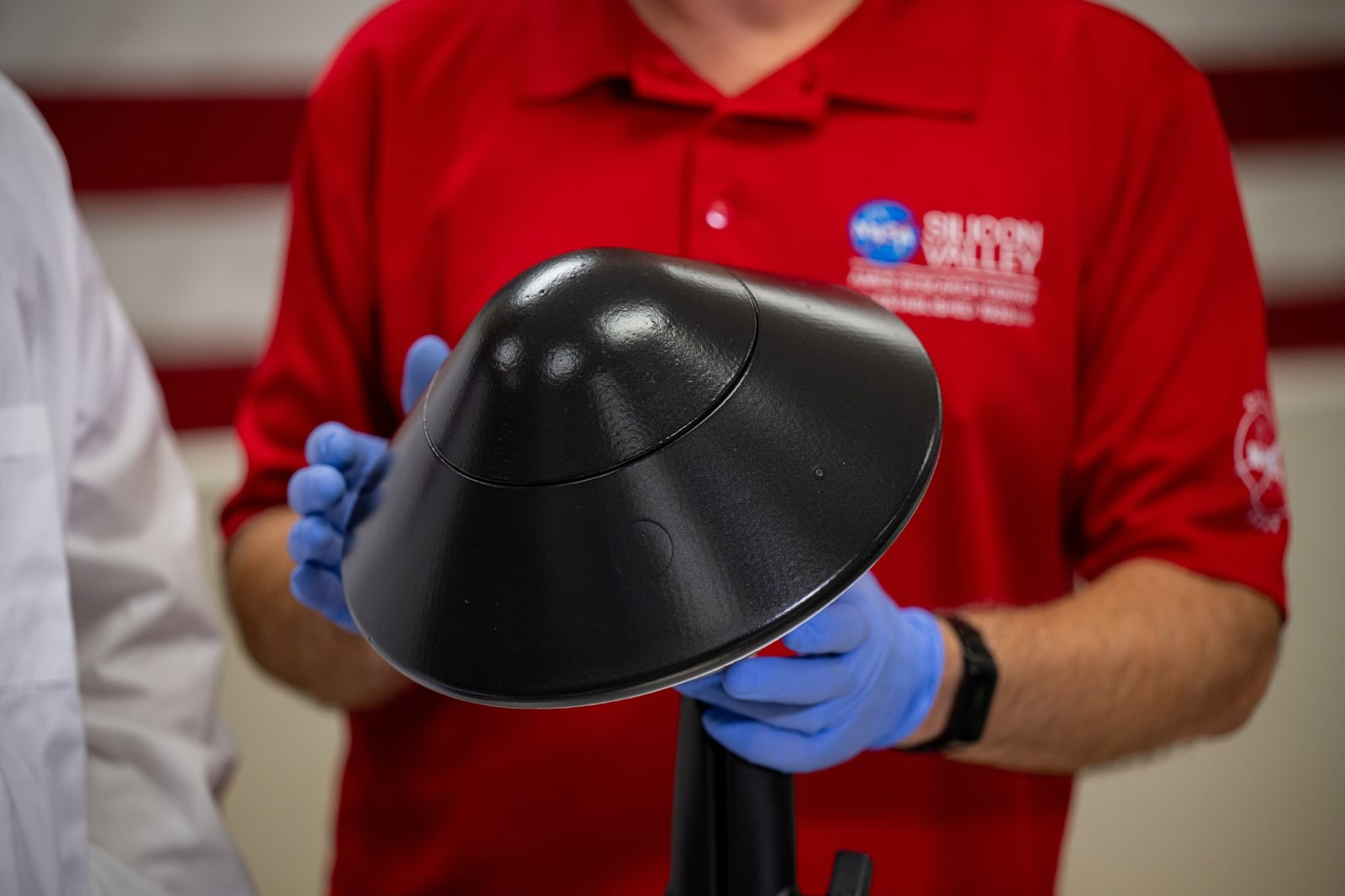
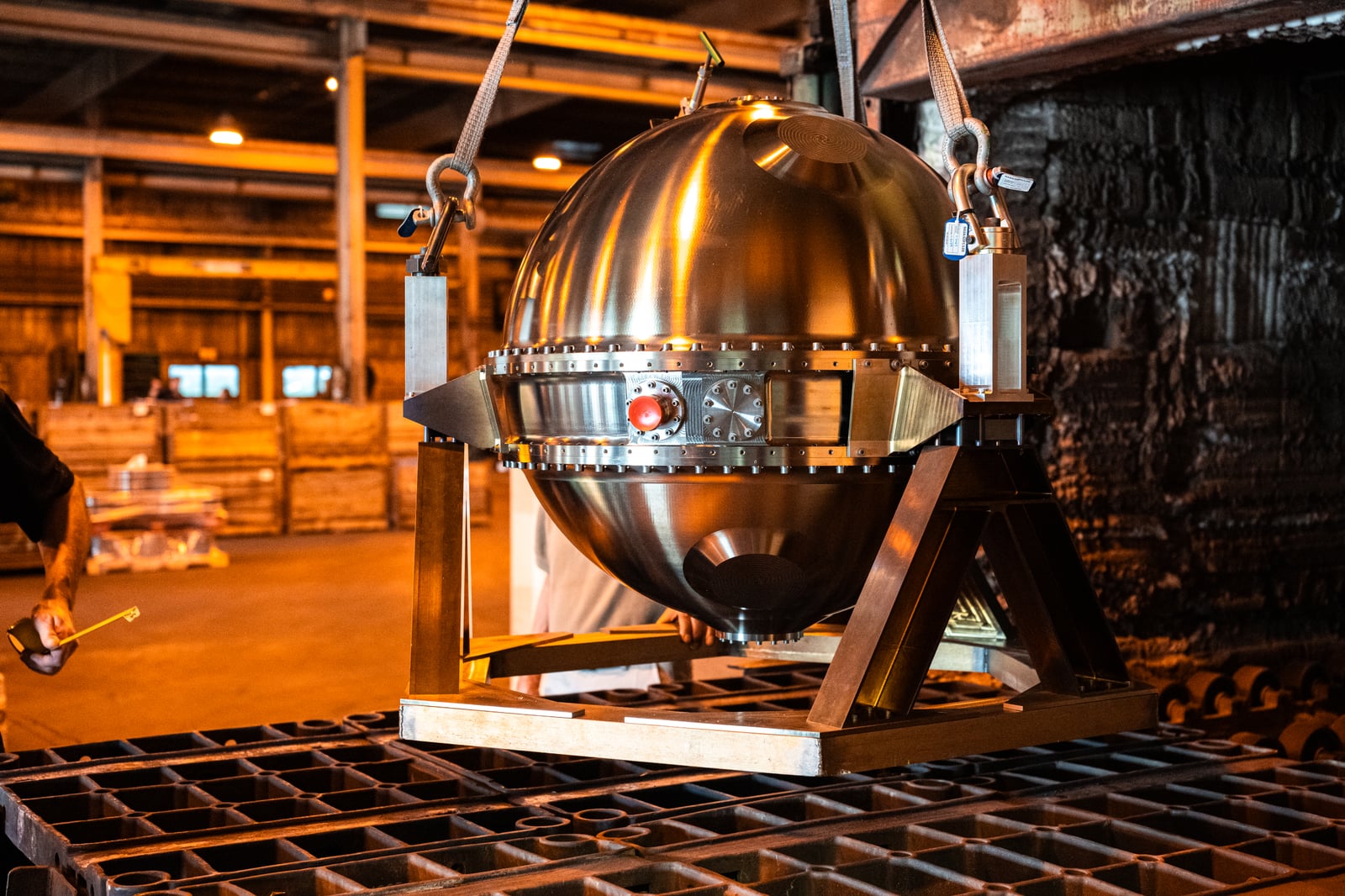
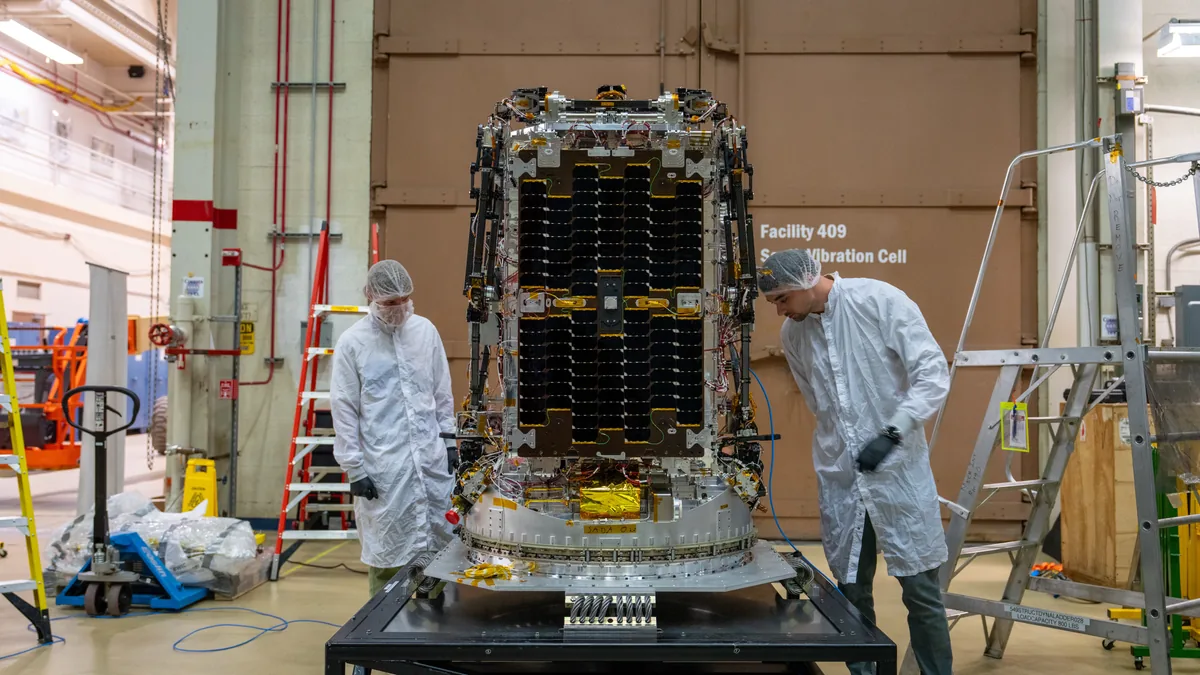
KREPE-3 prepares to collect re-entry measurements as Cygnus XL disposes of station waste. We explain what the flight can test—and why departure is not proof of a successful heat shield.
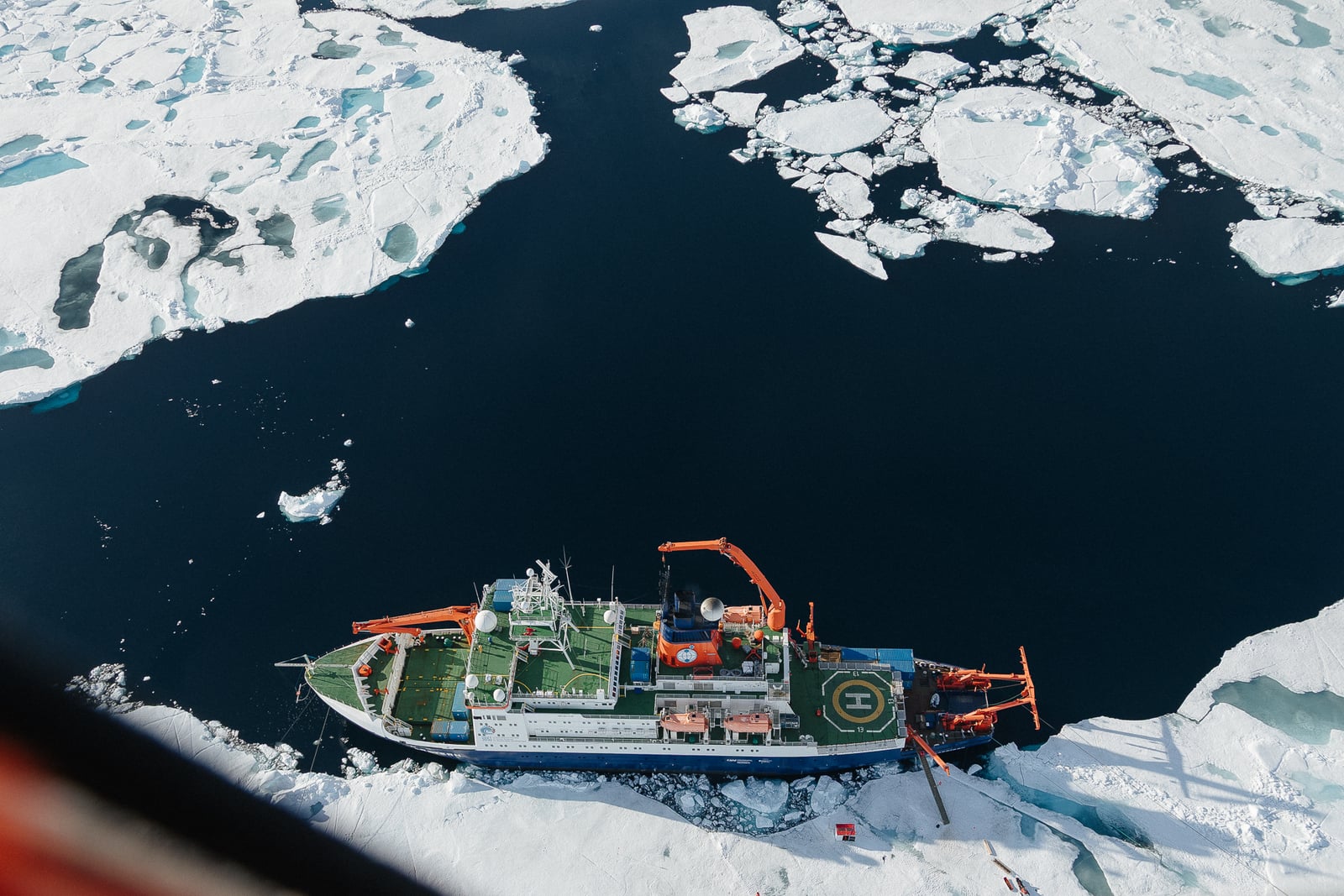
A new October 7 analysis separates the summer minimum from September’s monthly average. Our worked examples explain why ranking, seasonal growth and the amount of actual ice answer different questions.
This week’s published study describes a close binary with a repeating hot spot. We explain how brightness and motion become evidence for mass transfer—and why a long-lived future is a prediction, not a recording.
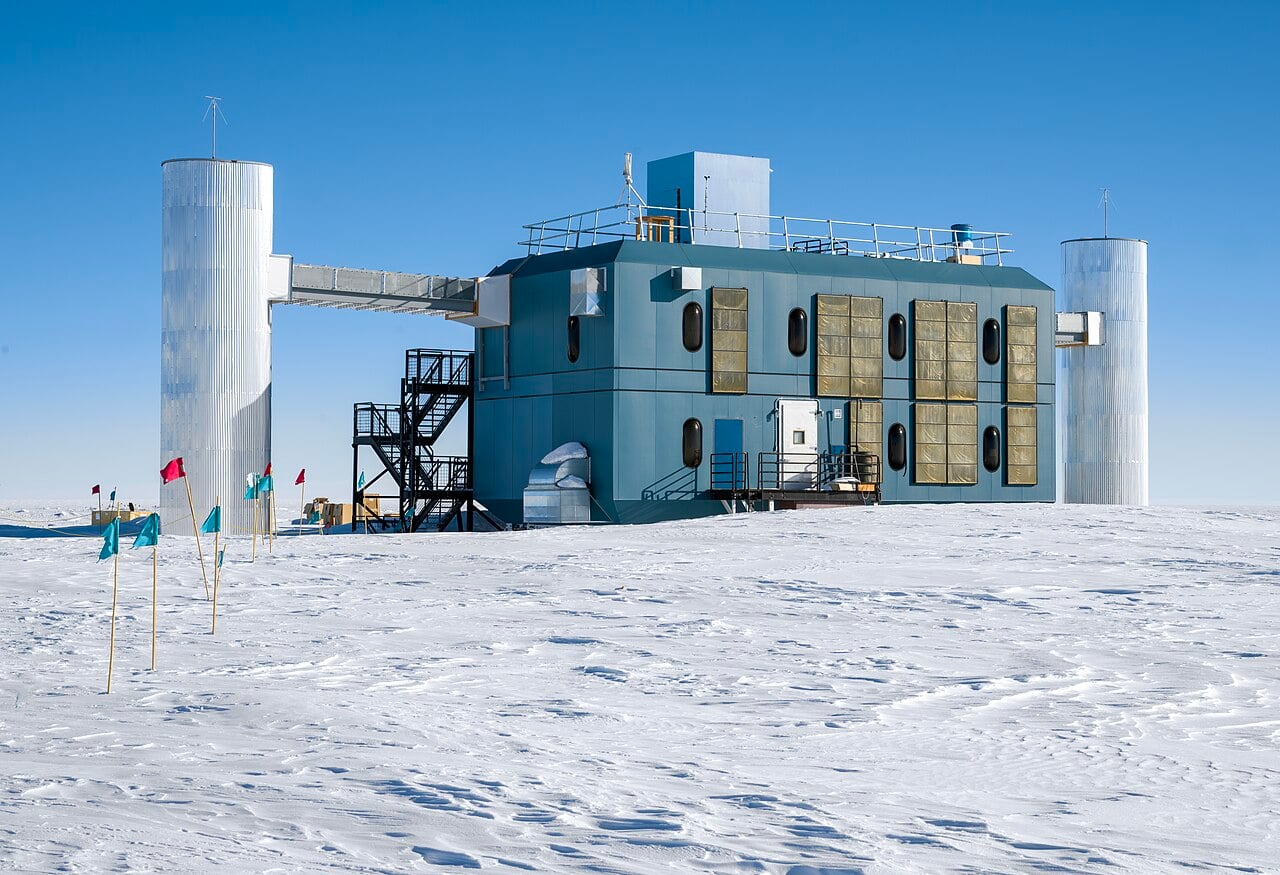
The October 6 announcement recognises a different way to study the universe. Our explanation follows the evidence from underground light sensors to a claim about cosmic particles.
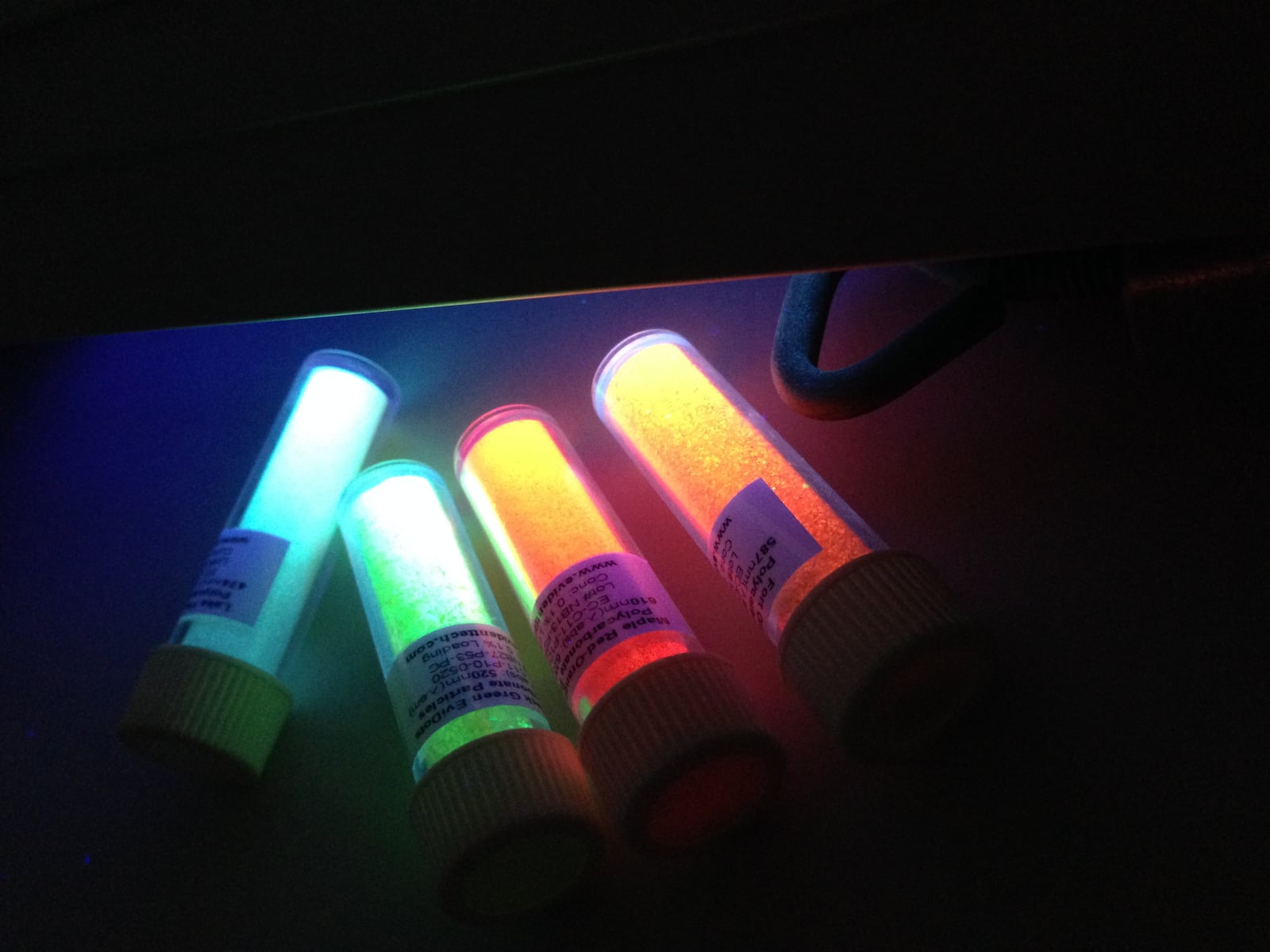
A new funding round supports work on integrating light-emitting materials. We examine an earlier experiment and explain why accurate placement, useful light and manufacturing yield need separate evidence.
An Argonne report invites engineers to examine the whole material assembly. We explain the measurement, distinguish depth from device size and propose what an array experiment should test.
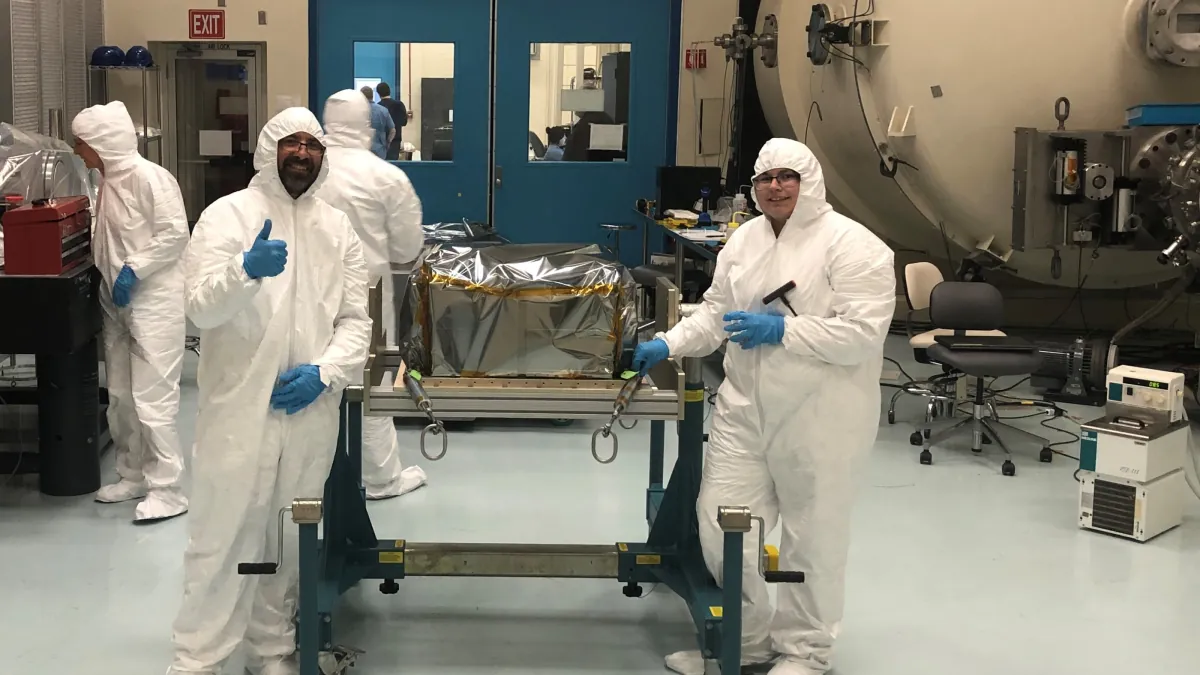
A laboratory photograph brings a Venus engineering test into view. We explain why instrument survival depends on heat flow, elapsed time and the exact hardware tested.
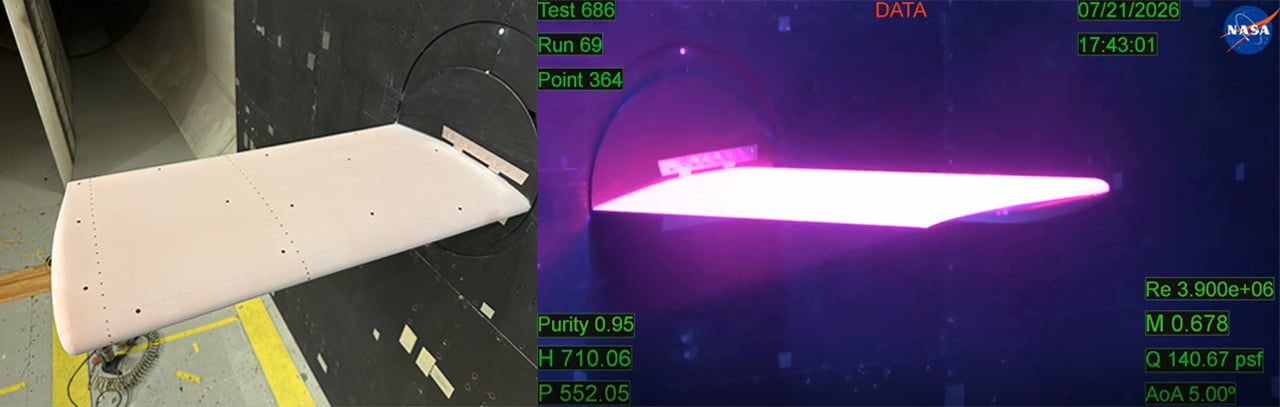
A moving surface makes pressure measurement harder. We explain how oxygen-sensitive paint turns light into data, and how to evaluate the resulting pressure movies.
Reusing a waste ingredient is only the first step. A materials-processing report offers a chance to ask what a manufacturer must measure before calling a new route a practical improvement.
Brown’s October 1 announcement highlights a brain-inspired imaging experiment. The paper separates image reconstruction from field readiness—and a short computing time from the longer observation needed to collect useful light.
NASA’s October 1 report describes a survey of warm debris around distant stars. The interesting evidence is in the dust’s chemistry: it helps researchers infer different kinds of impacts, while leaving important questions about their timing and frequency open.
A new biohybrid swimmer uses a thin layer of living muscle instead of a conventional motor. The engineering advance is real; the paper’s endurance test shows why tissue longevity and useful operating time must be kept separate.
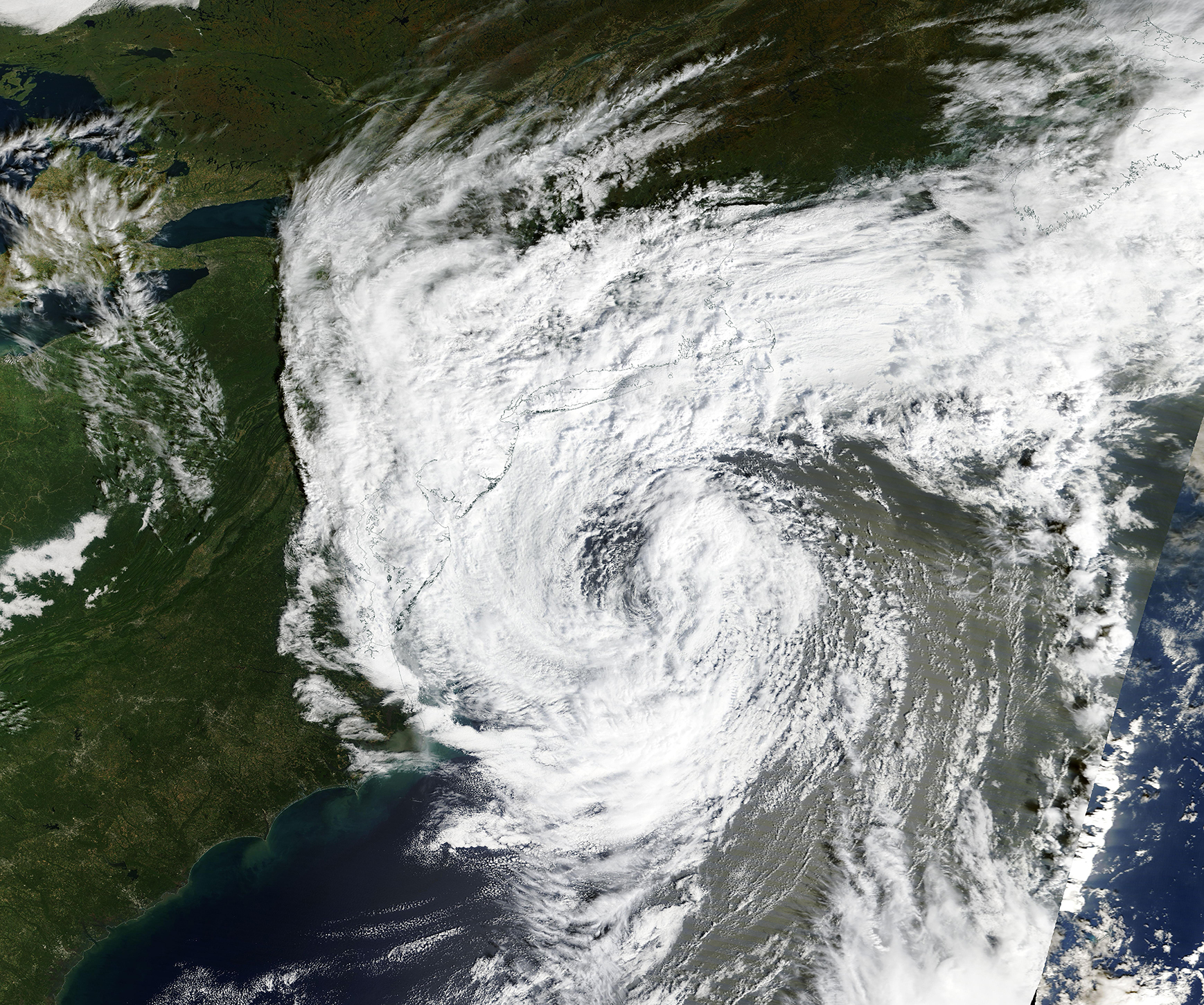
Published today but captured on September 26, the Terra satellite image records the storm’s cloud structure. We explain what the true-colour composite measures—and why it cannot quantify every impact on the ground.
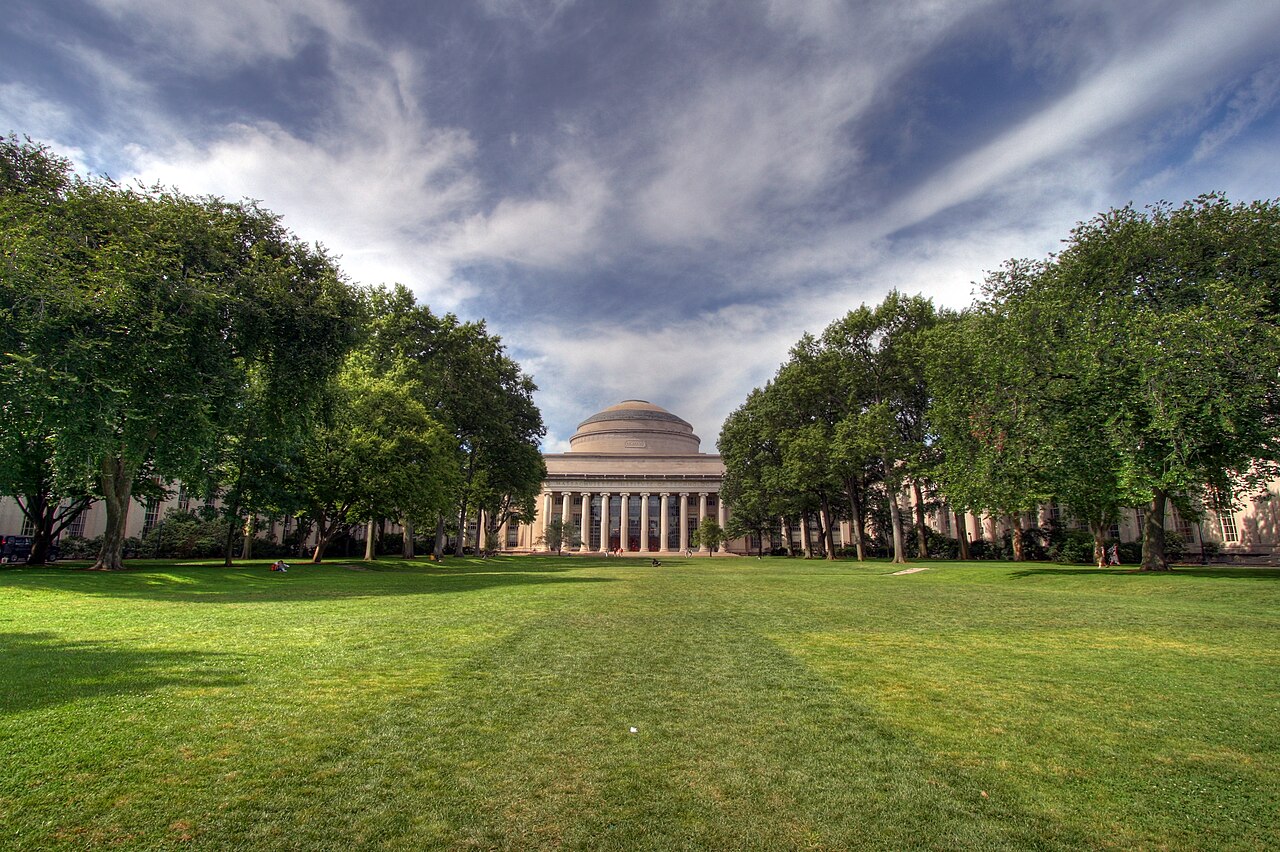
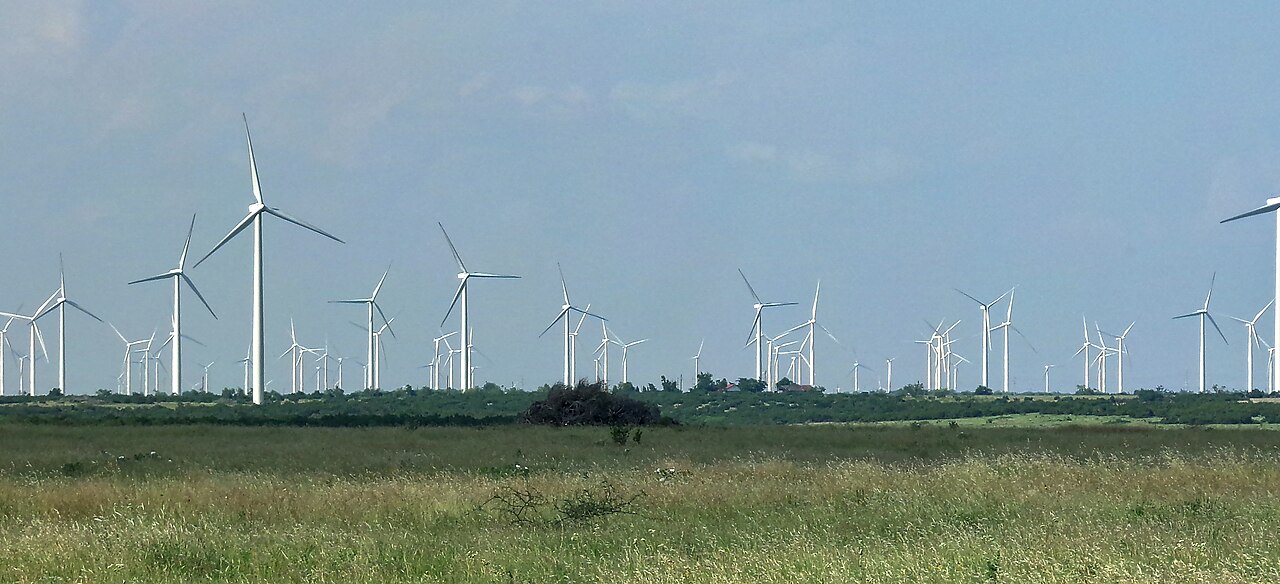
A new MIT report describes a laboratory experiment that makes a small rotor behave more like a commercial machine. The useful advance is a better basis for control decisions—not a guaranteed increase in every farm’s output.
NASA’s latest feature shows how surface measurements can help reconstruct buried terrain. The scientific value lies in combining observations with a model—and understanding where the model can be wrong.
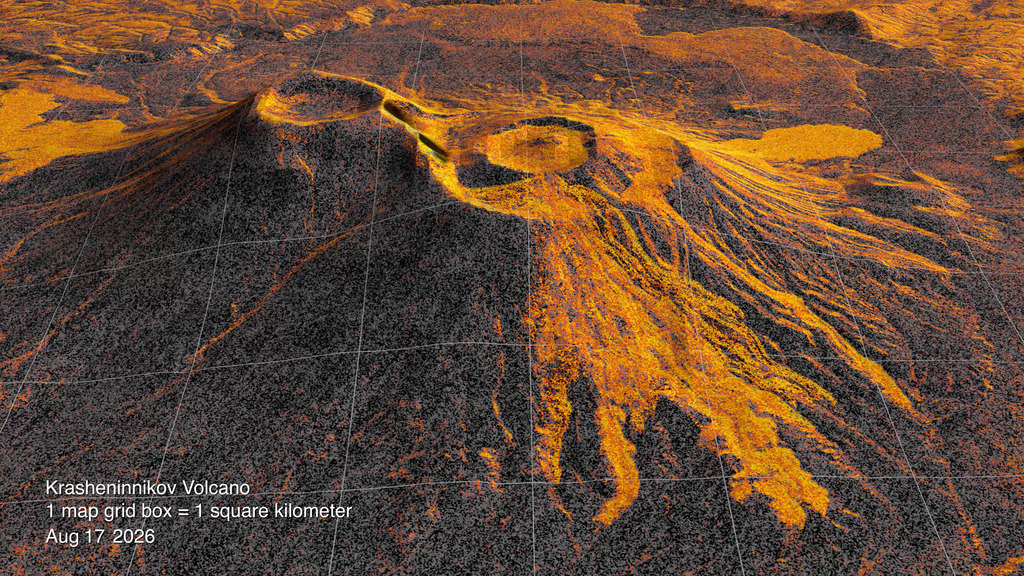
A newly released radar sequence follows months of lava growth in Kamchatka. We explain what the bright areas mean, what the sampling misses and why observation is not prediction.
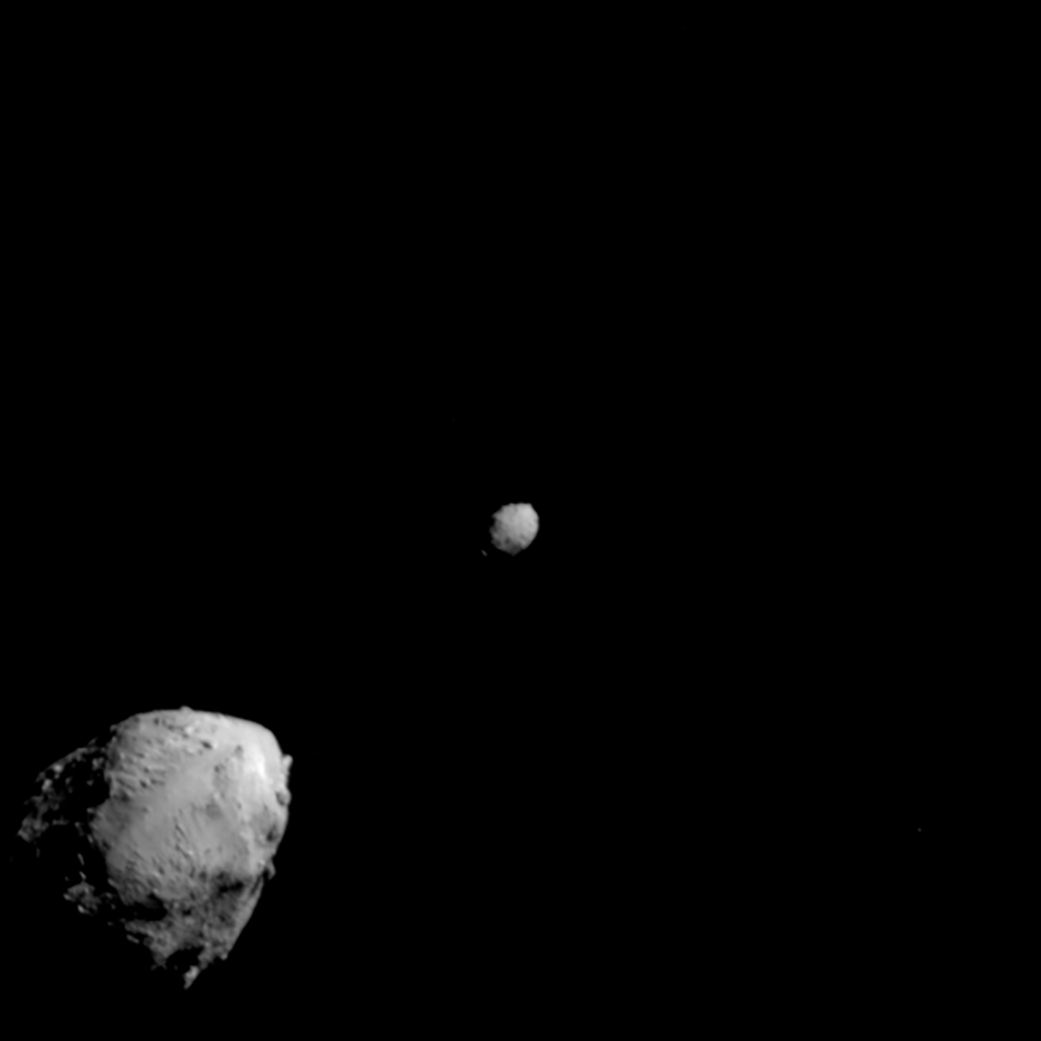
ESA says Hera is due to reach Didymos and Dimorphos in November. Close-up measurements could turn a successful impact experiment into a better-understood planetary-defence tool.
A primate study follows neural activity as options become decisions. It suggests that the brain changes how information is organised—not simply which option is strongest.
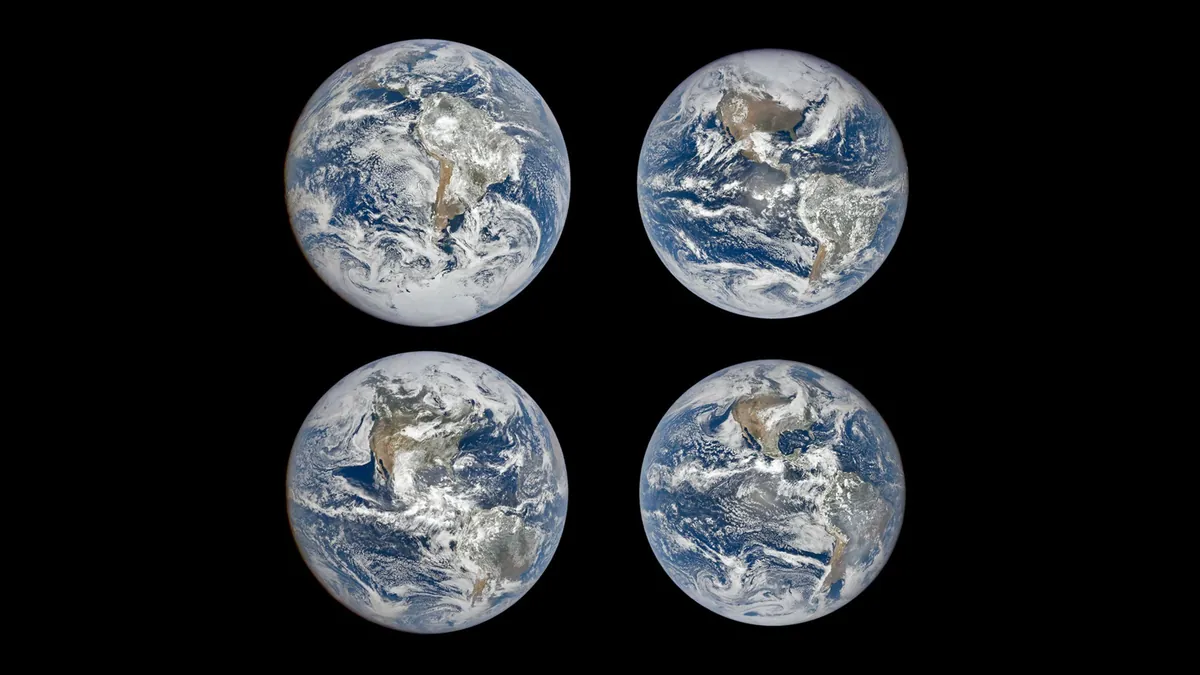
NASA's newly published EPIC comparison turns the equinox into a lesson in planetary geometry—and shows why a beautiful satellite image needs its date, distance and measurement context.
Researchers are reshaping the surface on which lithium accumulates. The laboratory result is promising—but smaller, lighter electric-car batteries are still a goal, not a product announcement.
A new molecular-computing experiment performs arithmetic in liquid. Its significance is in the chemistry—not a claim that DNA is about to replace your laptop.
A new update on MIT's climate-extremes programme shows why better models alone are not enough. The harder task is turning uncertain forecasts into practical choices about buildings, recovery and electricity.
MIT researchers have demonstrated neuron-like behavior using nanoscale motion. The intriguing result is a new computing building block—not a brain, a finished AI chip or a proven replacement for today's processors.
A SpaceX launch contract moves the small gamma-ray observatory forward. Its purpose is to connect brief flashes of high-energy light with gravitational waves—not to replace the giant telescopes already studying the universe.
An experimental interface decodes attempted speech and gestures together to control an avatar. The advance is about richer communication—not unrestricted mind-reading or a cure for paralysis.
KAIST-led research tackles a difficult connection inside atomically thin transistors. The result is promising, but a dramatic component-level improvement is not a faster AI processor.
MIT researchers combine a chemical reaction with electrically assisted hydrogen separation. The laboratory result points to a better way to use ammonia as a carrier—but does not yet establish cheaper or cleaner hydrogen at industrial scale.
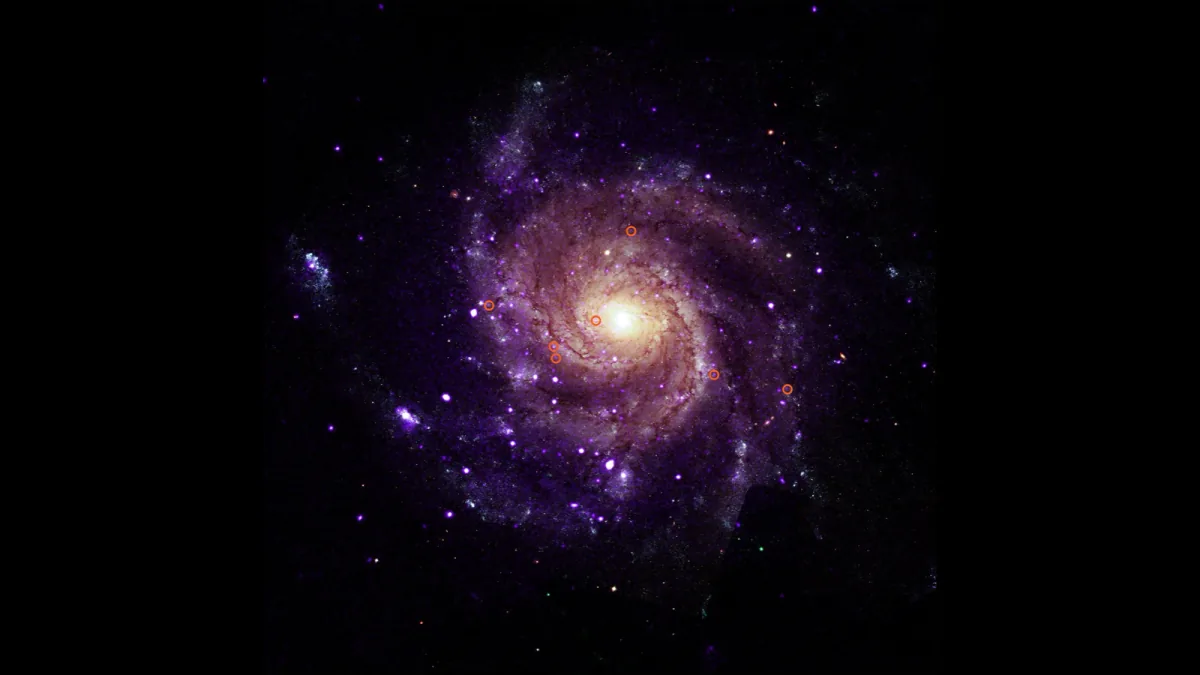
X-ray: NASA/CXC/Univ. of Alabama/M. Muhibullah et al.; Optical: NASA/ESA/STScI; Image Processing: NASA/CXC/SAO/N. Wolk · Full frame resized and padded by LUMACTA NEWS
A new study identifies objects that shine at the low-energy edge of X-ray vision. They may reveal overlooked stellar systems, but their exact identities remain unresolved.
Swift has produced a fresh gamma-ray-burst alert, but its cancelled rescue remains cancelled. The latest science report and LINK’s earlier robotics demonstration answer different questions about the future of the observatory.
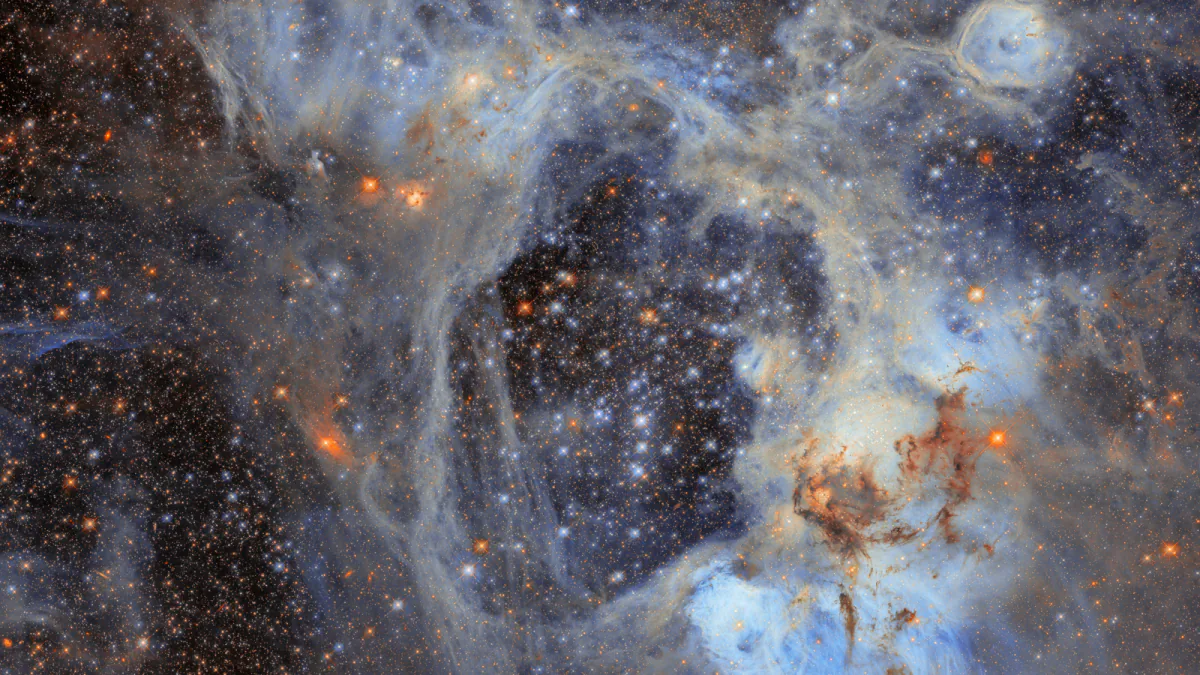
The N44 portrait is a spectacular picture—but the stellar census behind it comes from measurements and classification. The catalogue covers a wider survey field, not just the hollow interior of the superbubble.
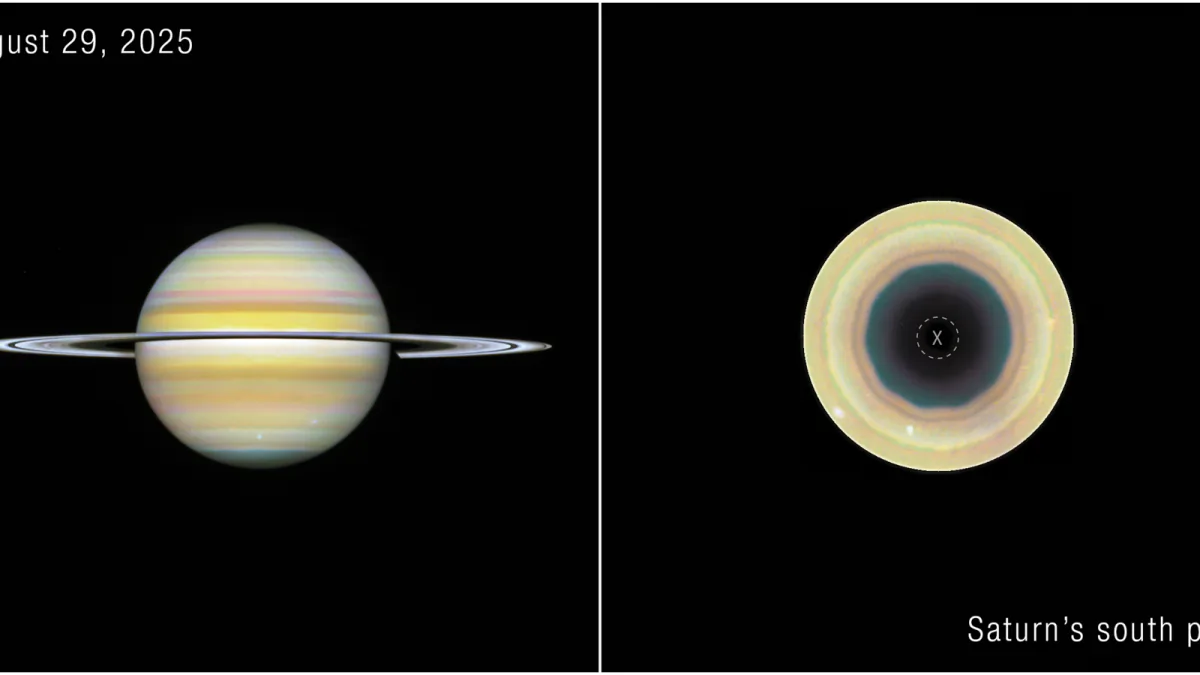
NASA, ESA, STScI, A. Sánchez-Lavega (University of the Basque Country), A. Simon (NASA-GSFC), M. Wong (UC Berkeley); Image Processing: A. Pagan (STScI) · CC BY 4.0
A ten-sided atmospheric pattern is striking, but its outline is only the beginning of the science. The original study separates the motion of the pattern from the winds carrying the clouds—and shows why a plausible simulation is not yet an explanation of its origin.
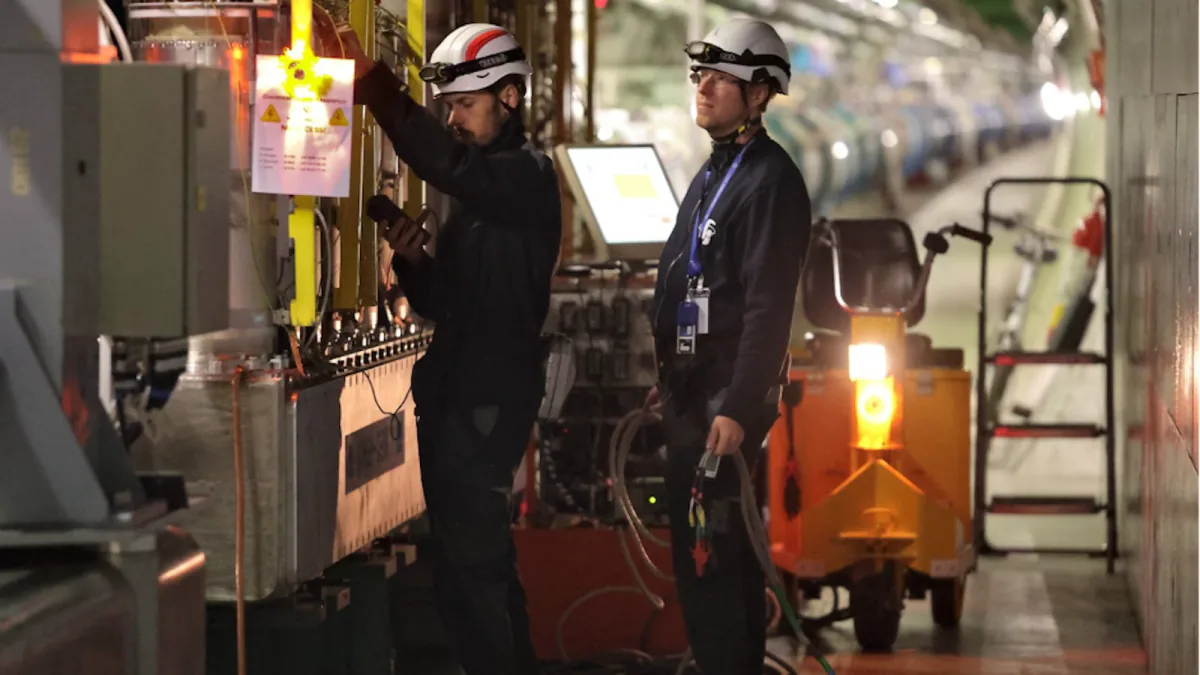
CERN’s shutdown checks answer one question about the LHC’s electrical circuits. Controlled powering and operation with particle beams answer others. This guide maps those separate milestones and explains what a progress announcement can—and cannot—prove.
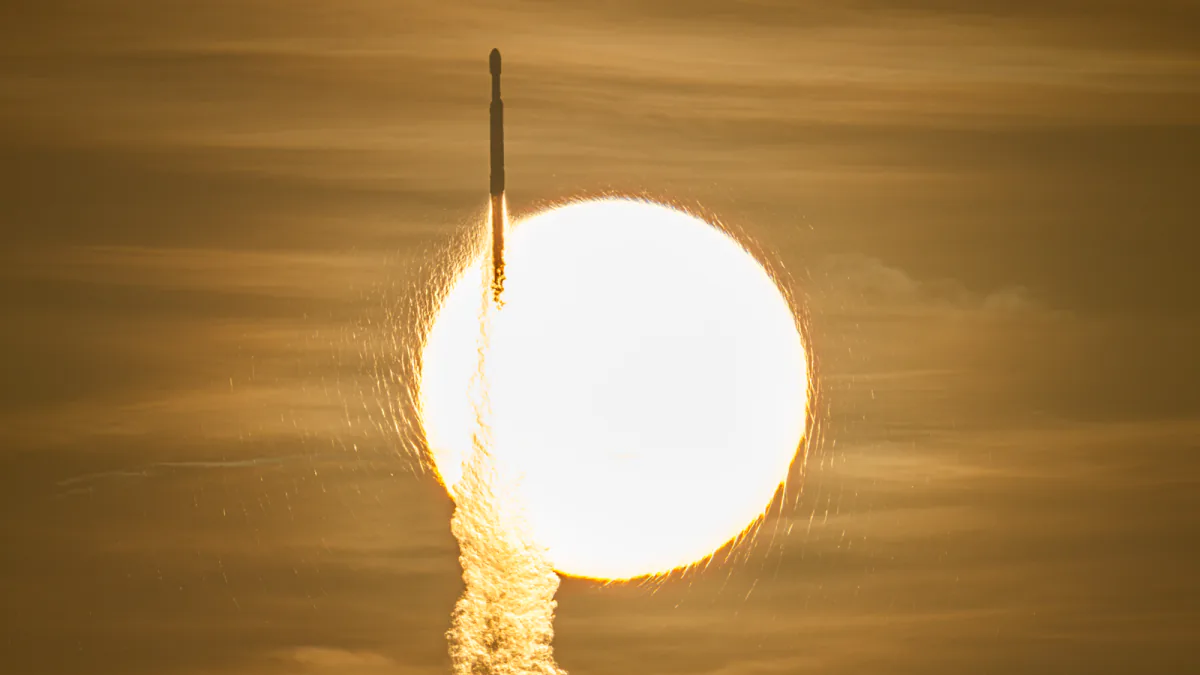
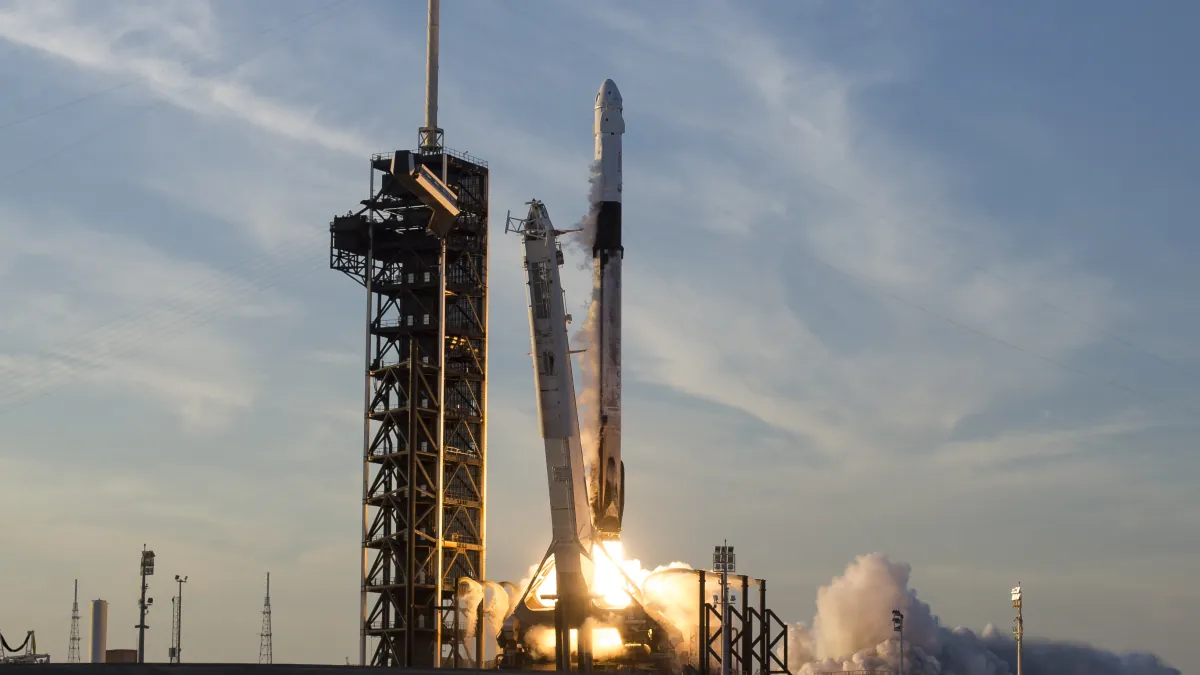
Roman lifted off at 7:26 a.m. EDT on August 30 and separated from Falcon Heavy at 7:57 a.m. NASA says its solar arrays and sunshade deployed 1 hour 23 minutes after launch, and the observatory completed its first mid-course correction on August 31 while heading toward Sun–Earth L2.
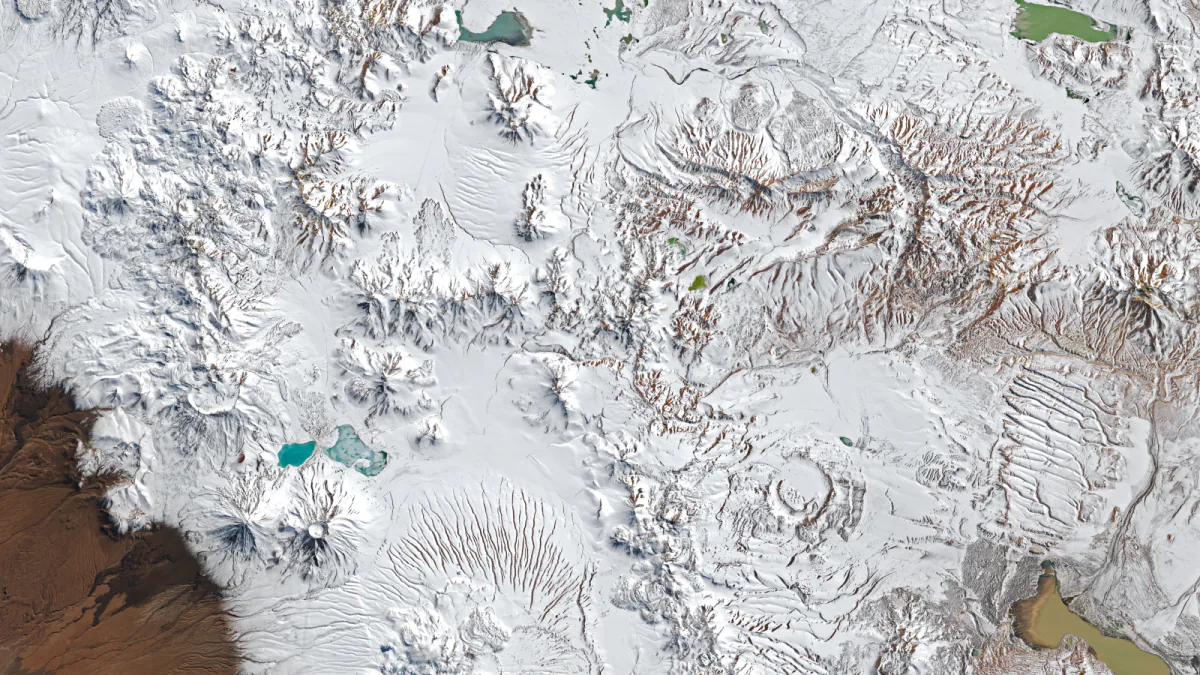
Landsat 8 imaged Chile's Chajnantor Plateau on August 6, 2026. Landsat 9 returned on August 14 after a period of severe weather, showing the same terrain blanketed by snow. A separate Terra MODIS view from August 19 documented a broader regional event extending from the Andes across the Atacama's hyper-arid core to near the Pacific coast south of Antofagasta.
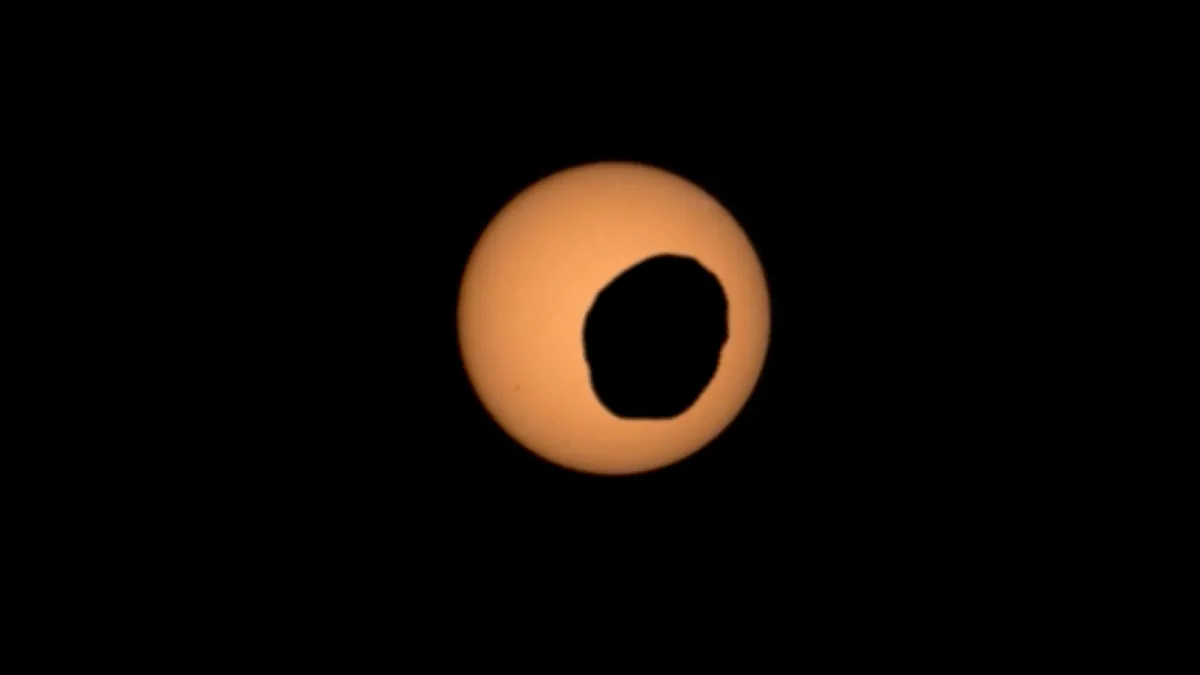
Perseverance's Mastcam-Z camera recorded Phobos crossing in front of the Sun on August 12, 2026, the rover's 1,948th sol. NASA tinted the animation to simulate a view through protective solar-eclipse glasses, while comparisons with earlier transits help scientists track changes in the Martian moon's orbit.
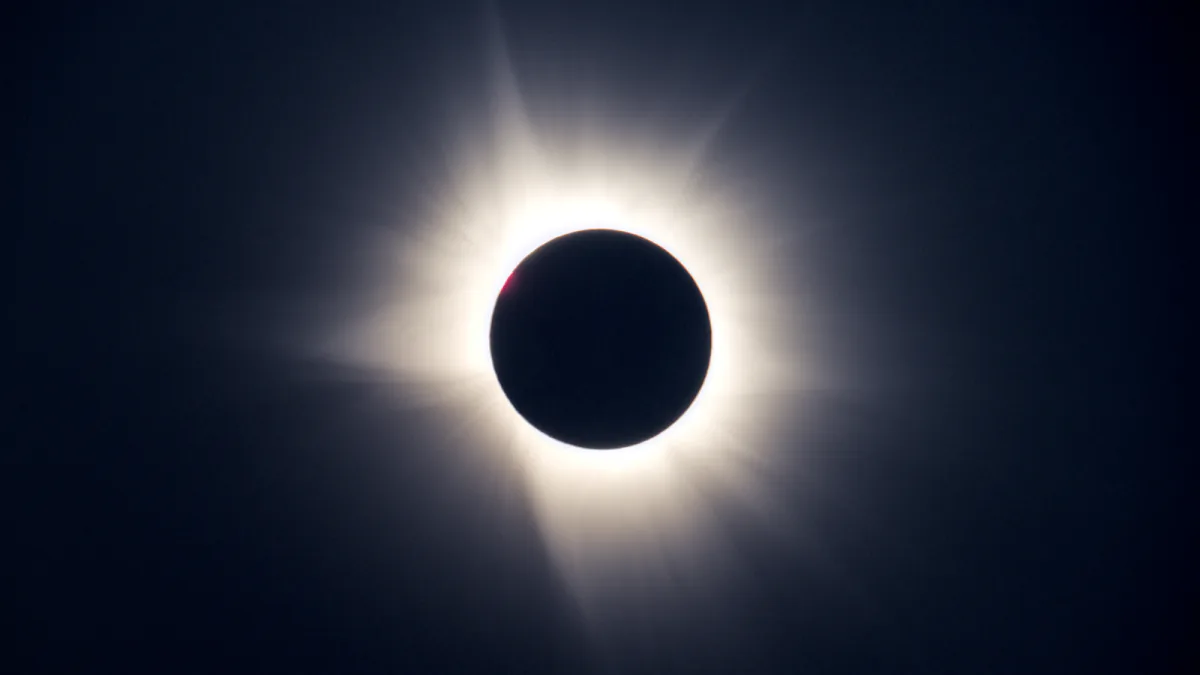
What the August 2026 eclipse observations can reveal: aircraft imaging, atmospheric balloons, Proba-3 calibration and the limits of a single photograph.
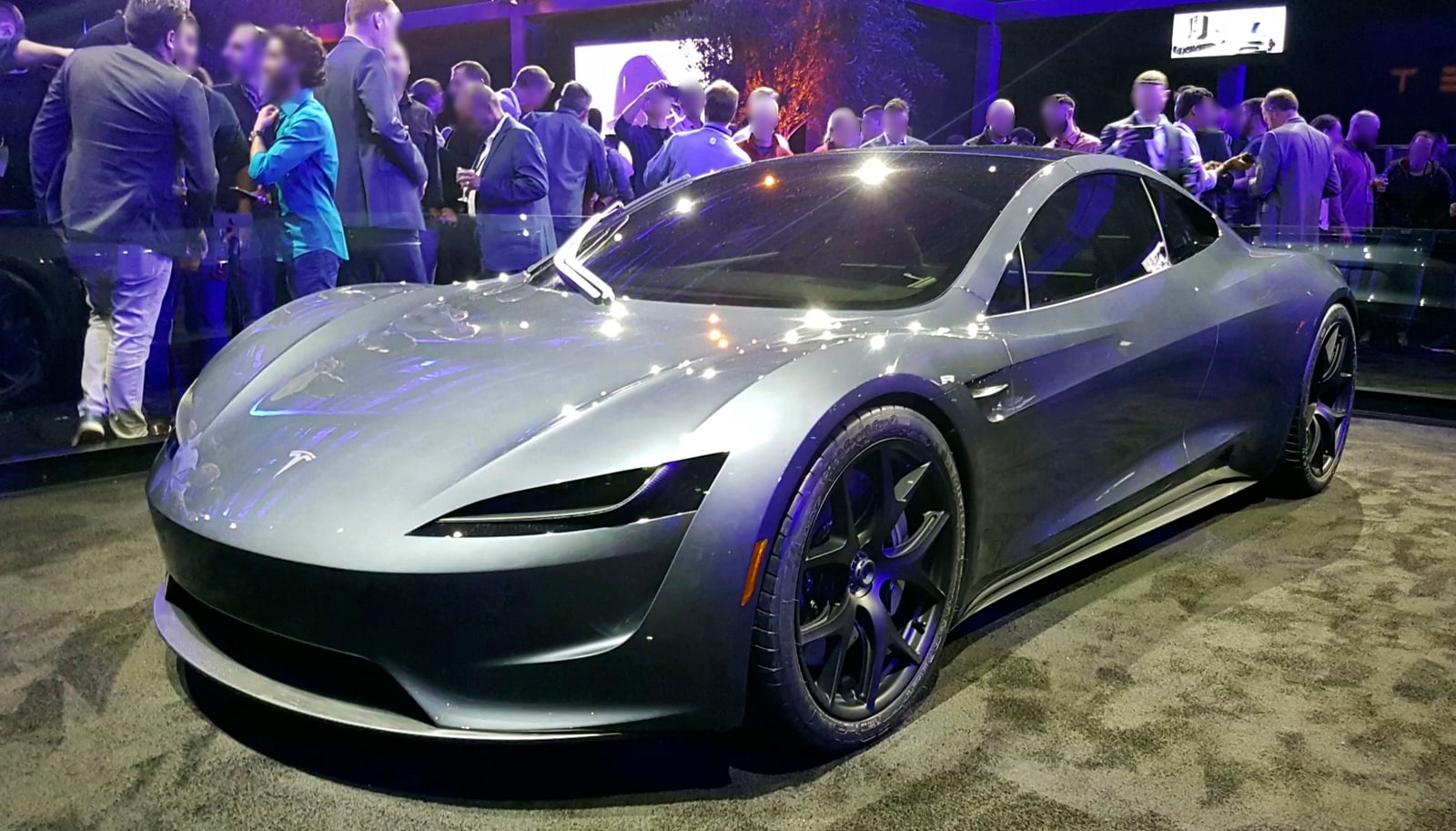
A spectacular reveal deserves more than a spectacular headline. Our extended analysis separates the reported demonstration, the different Roadster versions and the engineering evidence needed before a short aerial maneuver becomes useful transport.
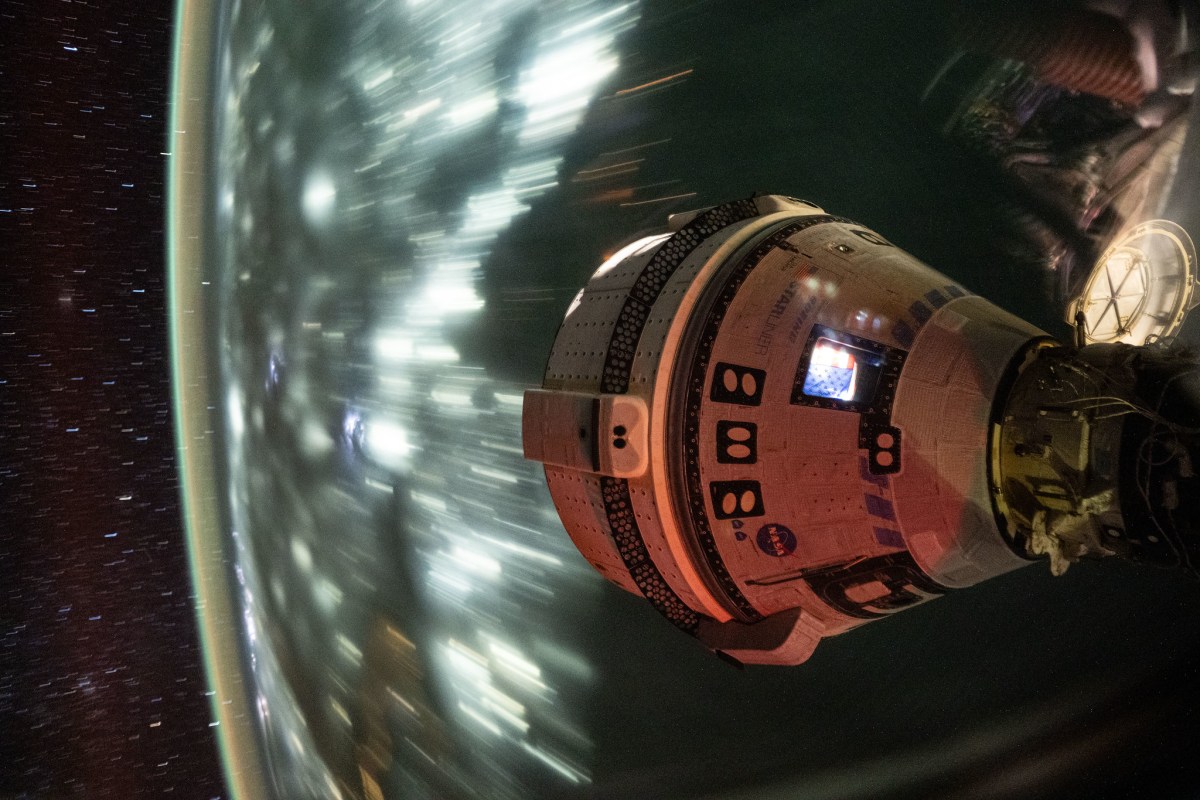
NASA and Boeing set out an engineering flight and a possible 2028 crewed return, while planning certification of the Vulcan rocket. We explain what the updated roadmap can establish and why spacecraft and launcher approval are separate jobs.
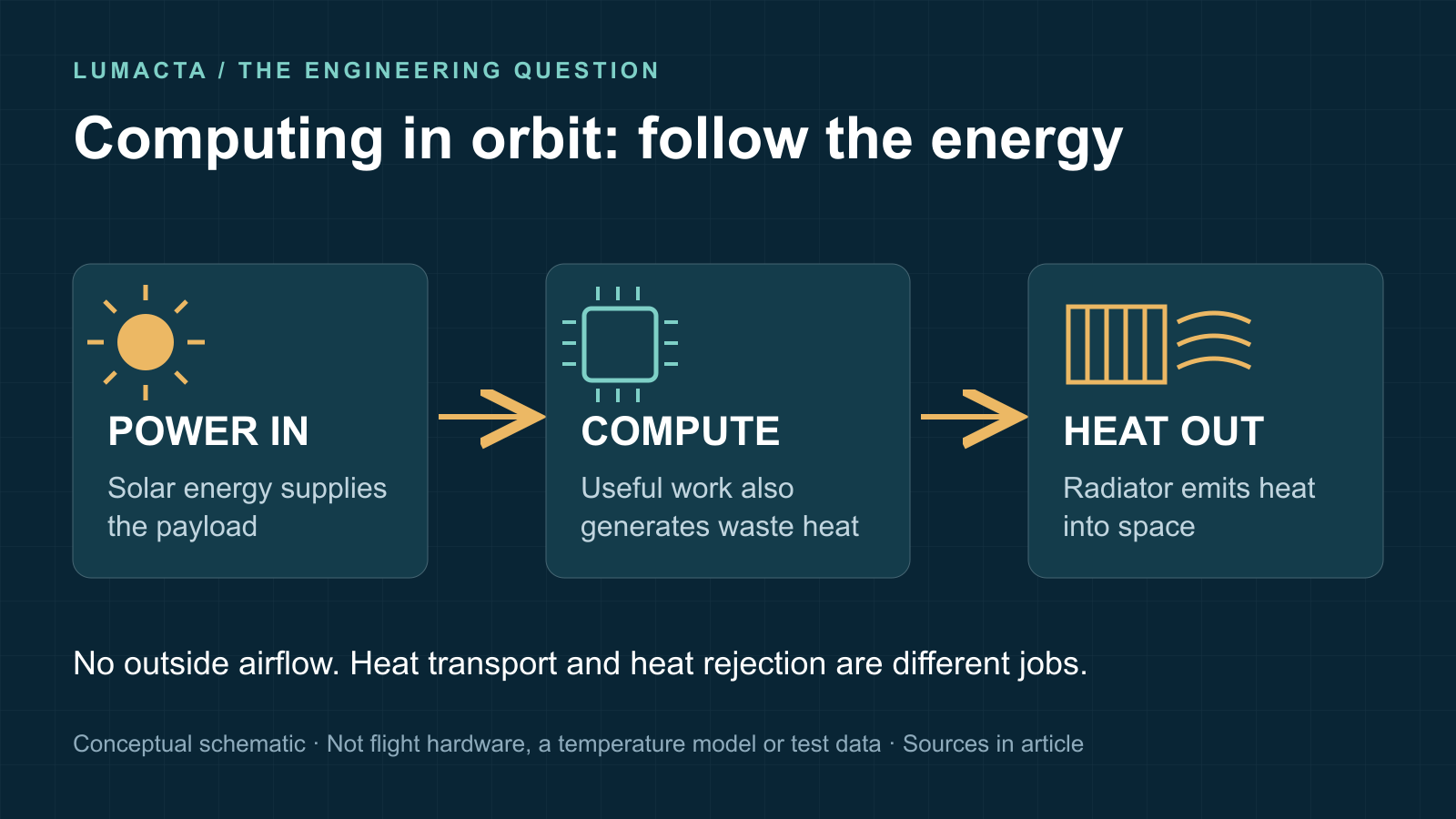
Project Suncatcher is approaching its first orbital hardware test. The useful question is not simply whether a chip survives space, but whether an entire computing system can work there reliably.
The new contract secures future transport to the International Space Station. Its price includes much more than launch—and its value depends on what that access enables.
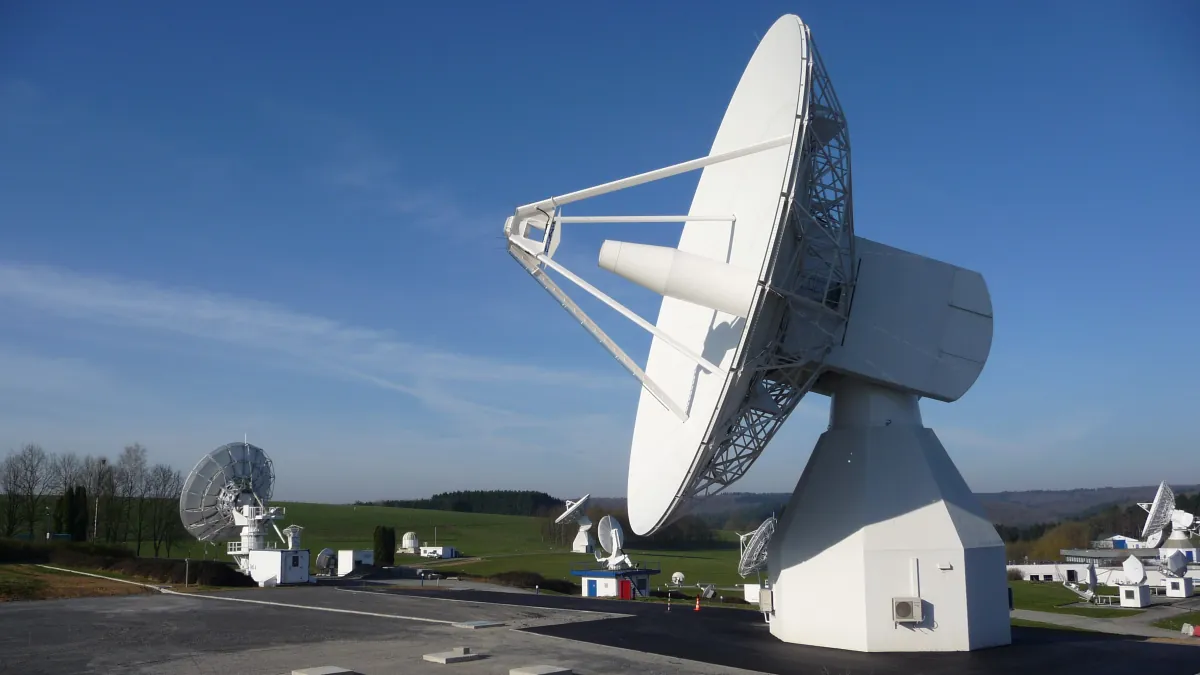
A September trial combined authenticated navigation data with authenticated ranging. It is a meaningful anti-spoofing milestone—not a promise of unjammable navigation.
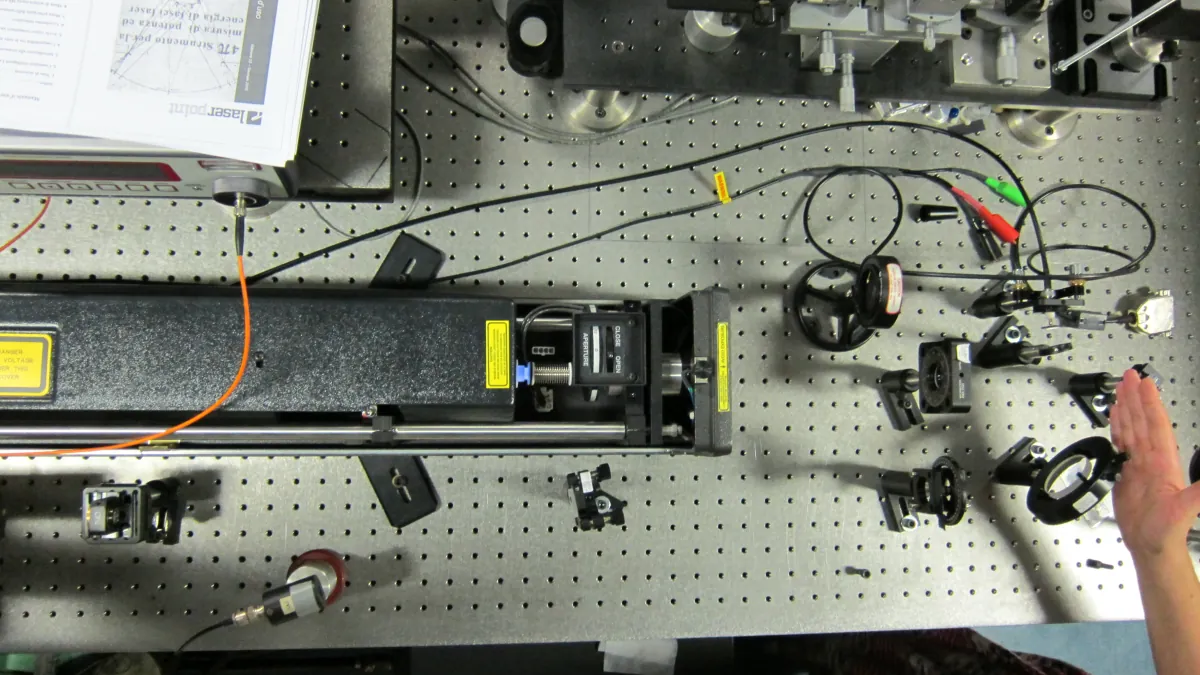
A robotic optics laboratory links assembly, alignment and repair. The useful breakthrough is a measurable feedback loop, not a machine that replaces scientific judgment.
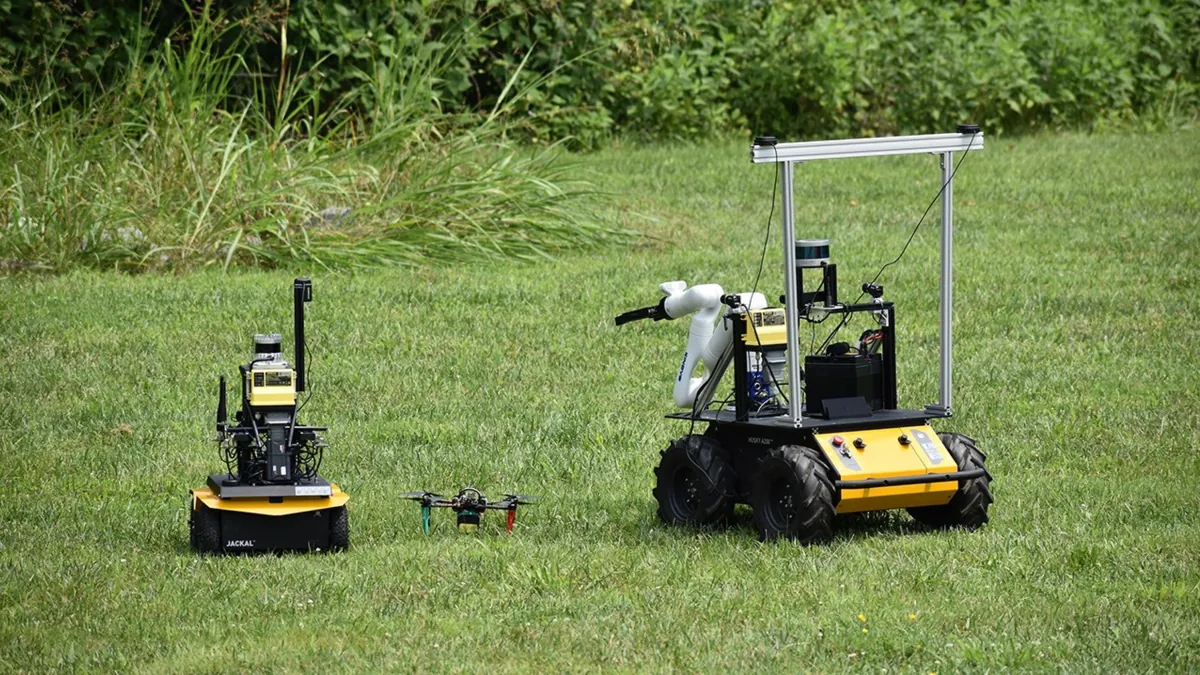
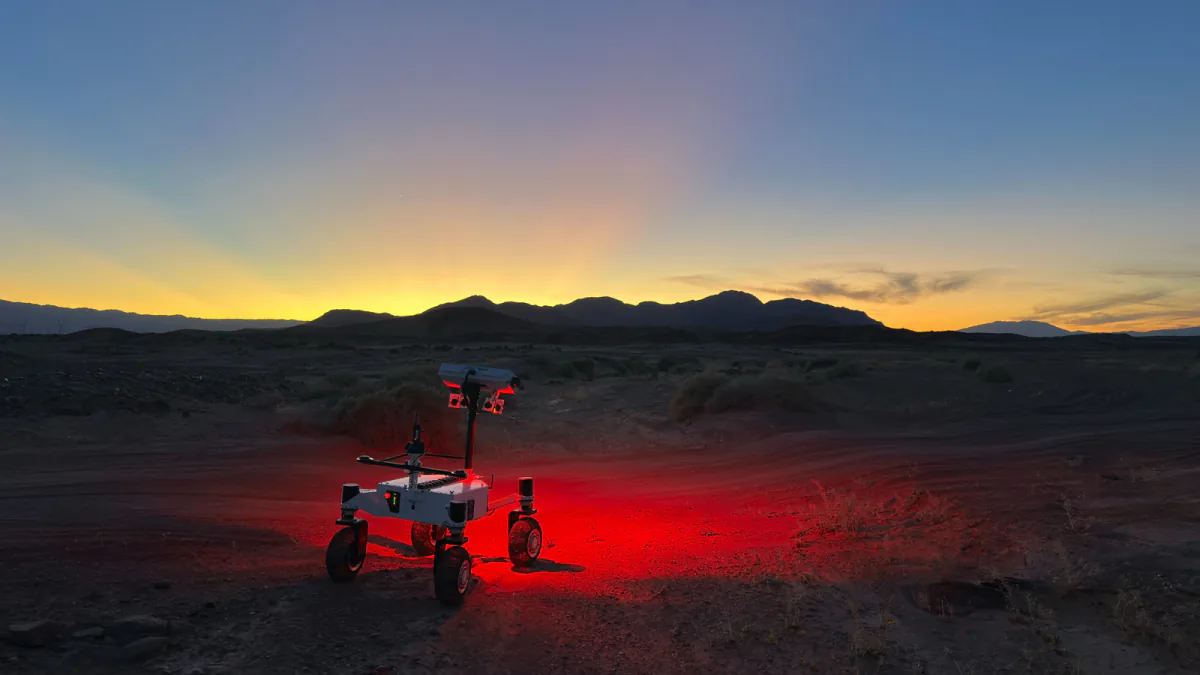
A drone and two rovers tested in Virginia point to a harder challenge in space robotics: deciding what deserves attention when Earth cannot answer immediately.
MIT spinout Atlas is taking recycled-plastic composites into construction. A bridge and earlier load tests make the story tangible—but long-term durability, feedstock quality and economics still matter.
A new public invitation asks volunteers to inspect real Euclid data and help identify unwanted artifacts. The aim is more trustworthy astronomy—not a claim that an AI system has already solved dark energy.
MAPL-EMIT turns space-station observations into possible methane sources. Its most important reading instruction is to check the confidence label before trusting the dot on a map.
A newly released research model brings lunar observations together. The opportunity is better scientific questions, not an AI-certified route to a Moon base.
Google DeepMind has released a map of possible single-letter DNA changes. Its promise is to help researchers choose better experiments, not to read a person's medical future.
The September 8–11 meeting in Seville has ended. ESA Space Safety reports growth in the Zero Debris community and new policy working groups; neither development should be confused with proof that orbital debris risk has already fallen.