Public visibility and dependable anonymous automation are different expectations. Our explanation follows the failed operation, compares appropriate identities and separates a safe retry from a change that grants unnecessary access.
A fictional production studio follows a delayed client message through an interruption. Our explanation separates access to an inbox, evidence about delivery and the business confirmation that still has to happen.
A fictional family-photo assignment follows an image from finding it to delivering the right copy. The useful questions are where the file lives, what an edit changes and what remains after a mistake.
Two fictional publishing workflows show why an approval should follow the whole dependency chain. Our practical analysis separates a recorded software choice from permission to execute it.
Our original policy-and-recovery rehearsal asks what an organization should prove before changing its browser environment. More control needs an accountable operator, not just a reassuring product name.
The announced change leaves application owners with two different jobs: choosing a runtime and moving a running service. Our original migration walkthrough explains why saved state and recovery matter as much as a successful launch.
Cloudflare's latest performance update offers a useful prompt for web teams: separate a connection-time lead from the experience your users actually have.
Microsoft’s October rollout changes access for EWS-dependent integrations. Here is a practical inventory and migration checklist, including the limits of Graph.
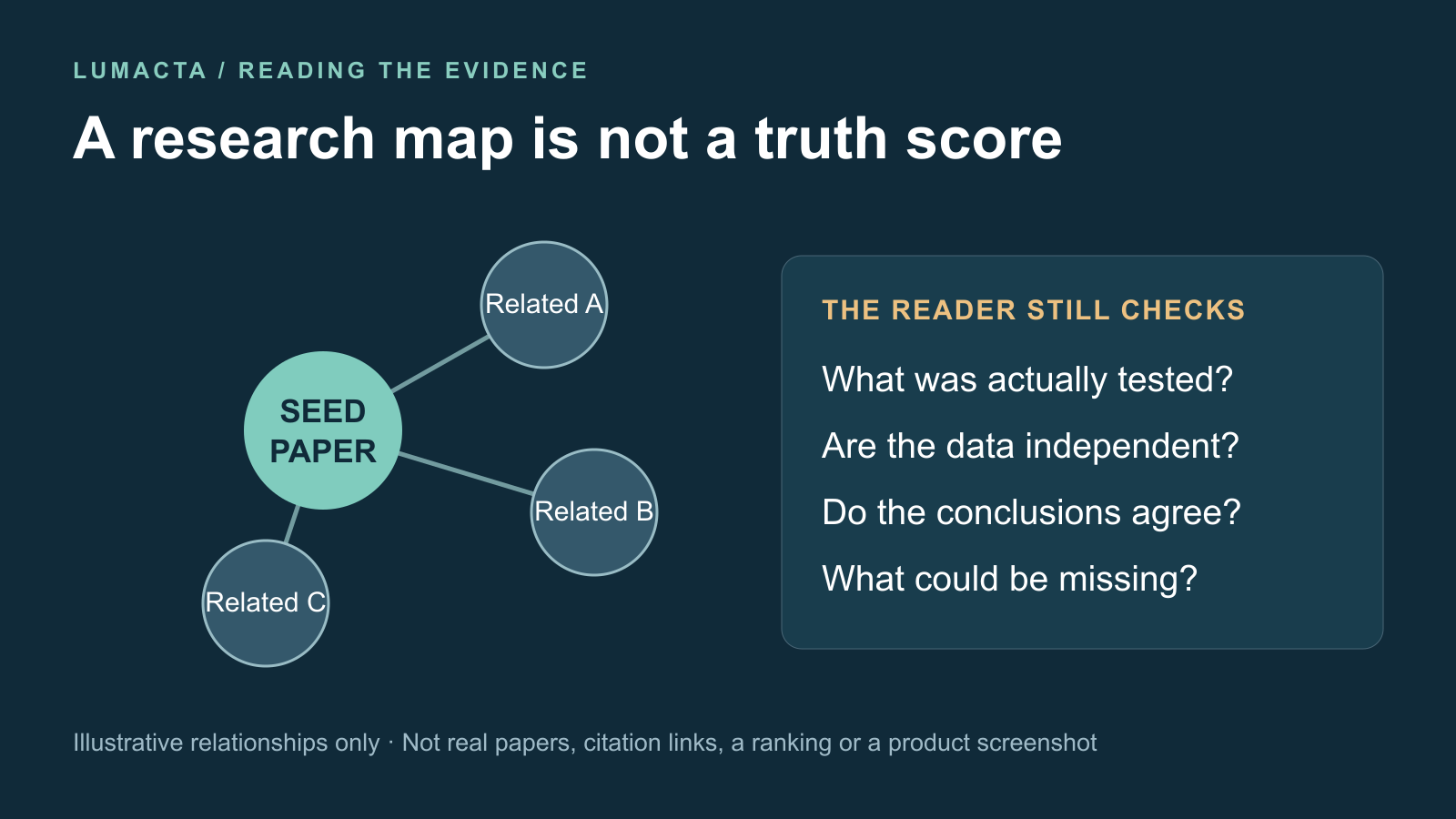
NIH’s experimental Linked Discoveries tool makes related biomedical papers easier to explore. Its real value will depend on how researchers use the map—and whether they look beyond it.
iOS 27 arrived on September 14. We explain Apple Intelligence, Siri AI's beta waitlist, EU restrictions, supported hardware and the limits of AI assistance.
The useful question is not how many features Google announced, but which everyday problem each one solves—and what happens when its answer or sharing settings are wrong.
An AI model returning a number still leaves a question: was it read, calculated or predicted? Our explanation uses original arithmetic to separate an acceptable format from evidence that an answer deserves trust.
An assistant becomes useful when it reduces the distance between a conversation and a correctly finished task. Our reading separates that everyday benefit from the temptation to replace a perfectly adequate handset.
Google’s October 7 tooling overview brings official documentation into terminals, agents and applications. We explain the difference between finding a relevant passage, generating an answer and proving that a change works.
A vendor’s tally is not an installation record. Our practical checklist follows a dependency from a proposed fix to the application actually running it, without treating an old version number as the whole answer.
A familiar version number does not settle an update check. We explain how to record the installed security date and distinguish an announcement from a completed installation.
Clear failures matter for an unattended job. We explain the October 5 cutoff, credential checks and a proposed evaluation on an organization’s own service.
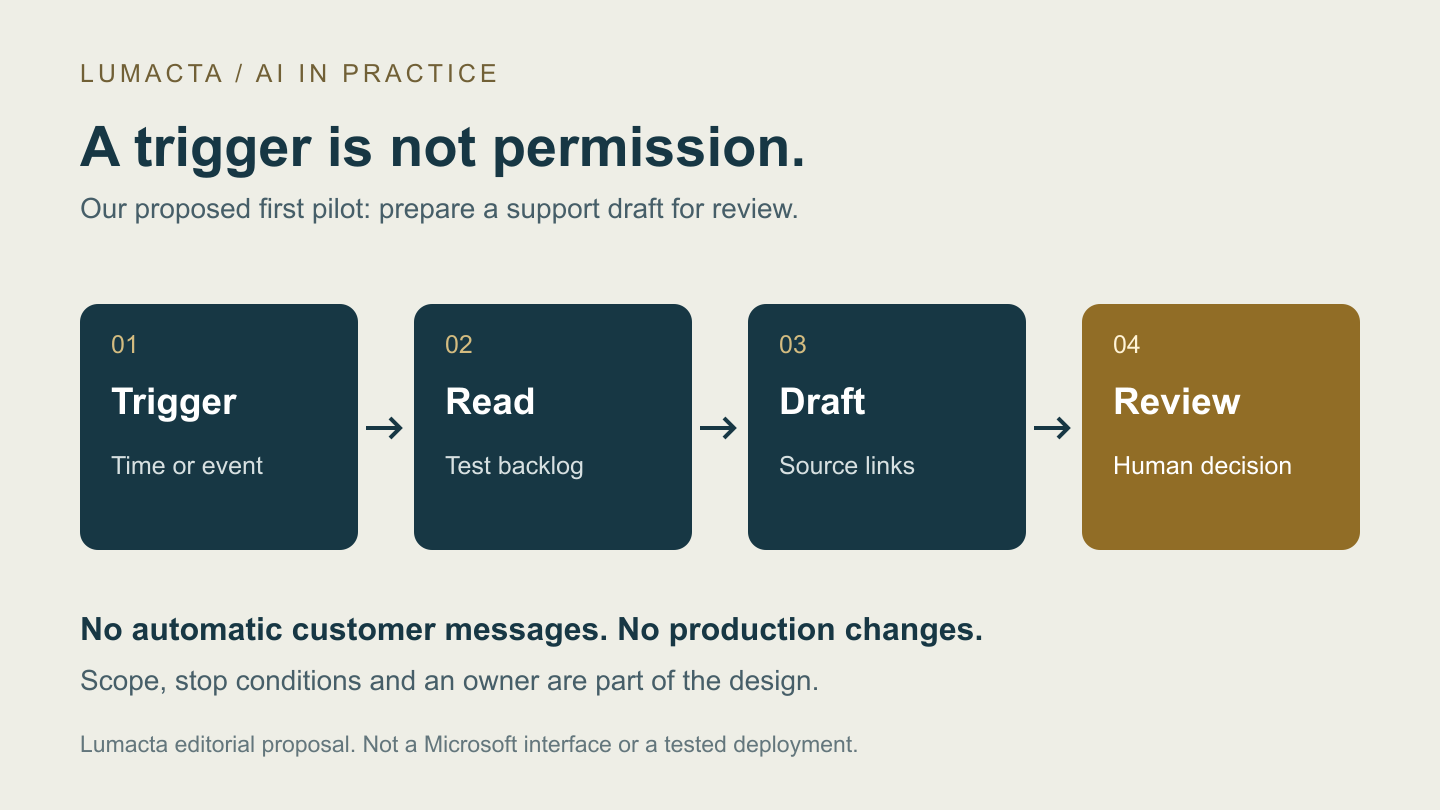
Foundry Routines have reached general availability. We explain the difference between starting an agent, letting it resume later and safely allowing it to change something.
Qualcomm has opened an early developer preview, while Ubuntu support targets 2027. The real question is whether the complete laptop—not just its processor—will be dependable.
New editing, testing and likeness tools could reduce production work. Their value depends on preserving meaning, understanding the rollout and measuring more than clicks.
A new update on MIT's climate-extremes programme shows why better models alone are not enough. The harder task is turning uncertain forecasts into practical choices about buildings, recovery and electricity.
Final guidance shifts attention from the sign-in screen to the credentials applications use afterward. Strong authentication still matters—but sessions need protection too.
Reporting duties under the Cyber Resilience Act began on September 11. Here is what changes for connected products, why the deadlines matter, and where the promise of safer technology still needs to be proved.
Two Windows flaws were already being exploited when Microsoft issued its September security fixes. Subsequent updates now matter too: this September 23 revision explains what changed, which problems remain, and how to check that patching is actually complete.