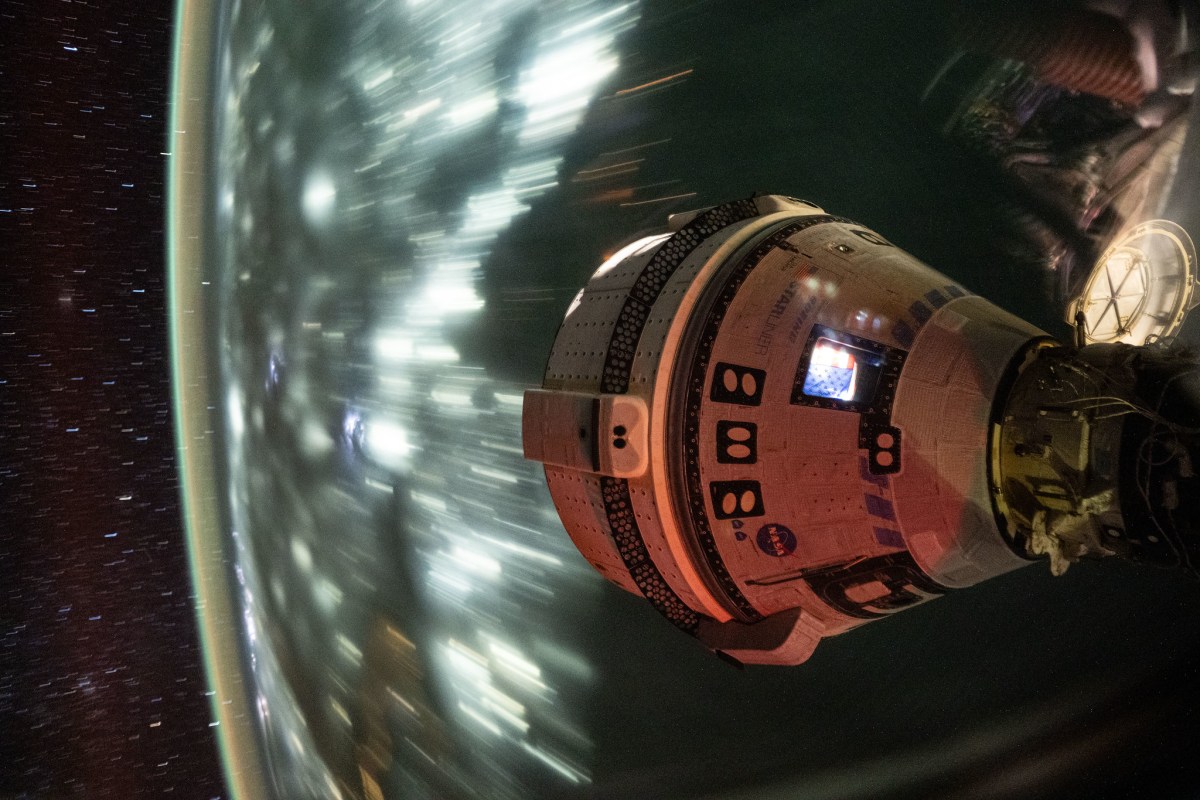
NASA and Boeing set out an engineering flight and a possible 2028 crewed return, while planning certification of the Vulcan rocket. We explain what the updated roadmap can establish and why spacecraft and launcher approval are separate jobs.
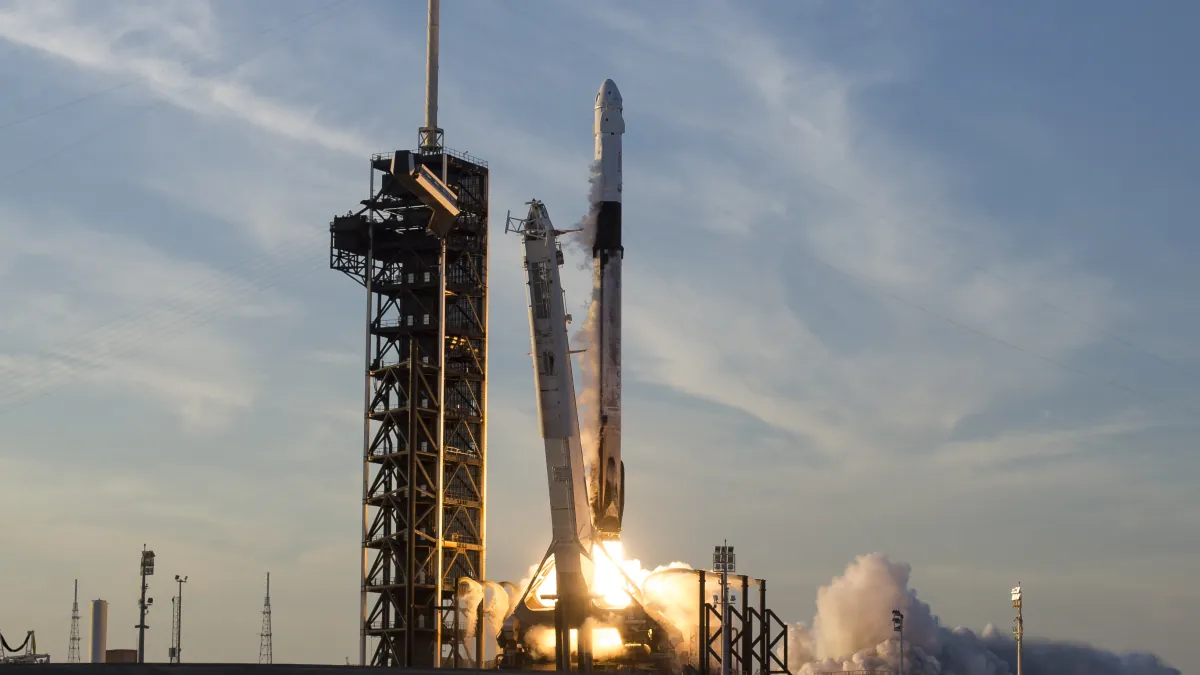
The new contract secures future transport to the International Space Station. Its price includes much more than launch—and its value depends on what that access enables.
MIT spinout Atlas is taking recycled-plastic composites into construction. A bridge and earlier load tests make the story tangible—but long-term durability, feedstock quality and economics still matter.
The planned data-centre investment comes with a 22-year nuclear power agreement and a large battery project. Understanding the deal means separating construction promises, electricity contracts and local benefits.
The September 8–11 meeting in Seville has ended. ESA Space Safety reports growth in the Zero Debris community and new policy working groups; neither development should be confused with proof that orbital debris risk has already fallen.
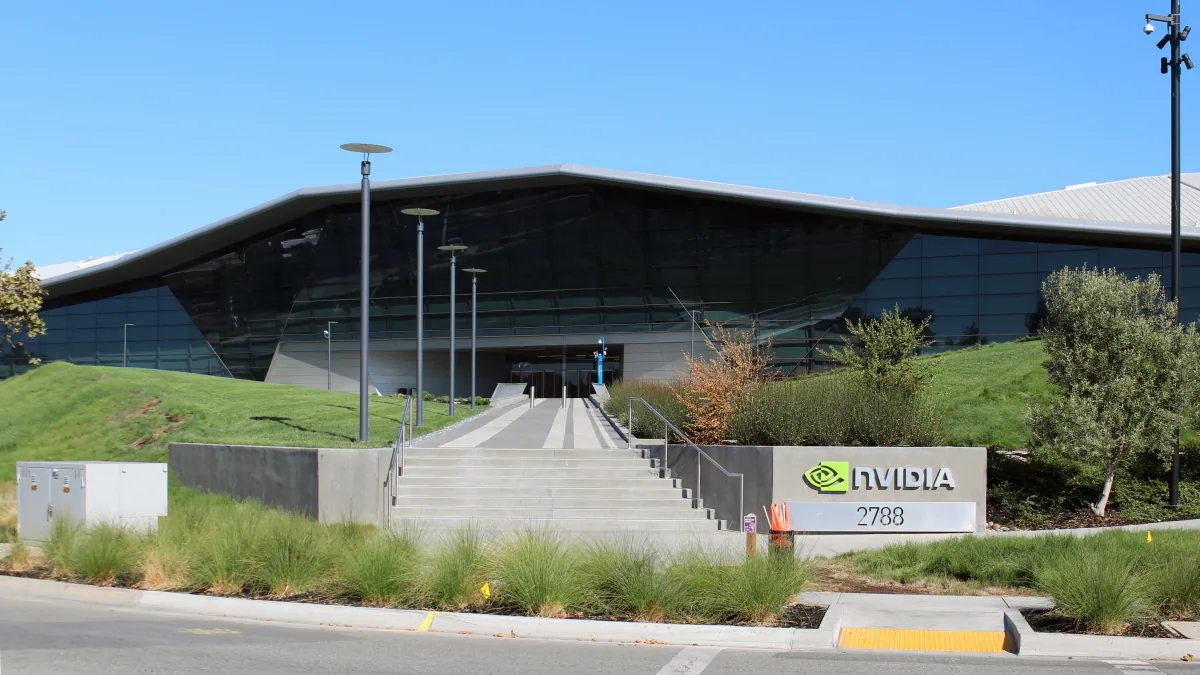
The $12.93 billion agreement would put a central model-sharing platform inside the dominant AI-chip company. Hardware neutrality is promised; closing and long-term behavior remain ahead.
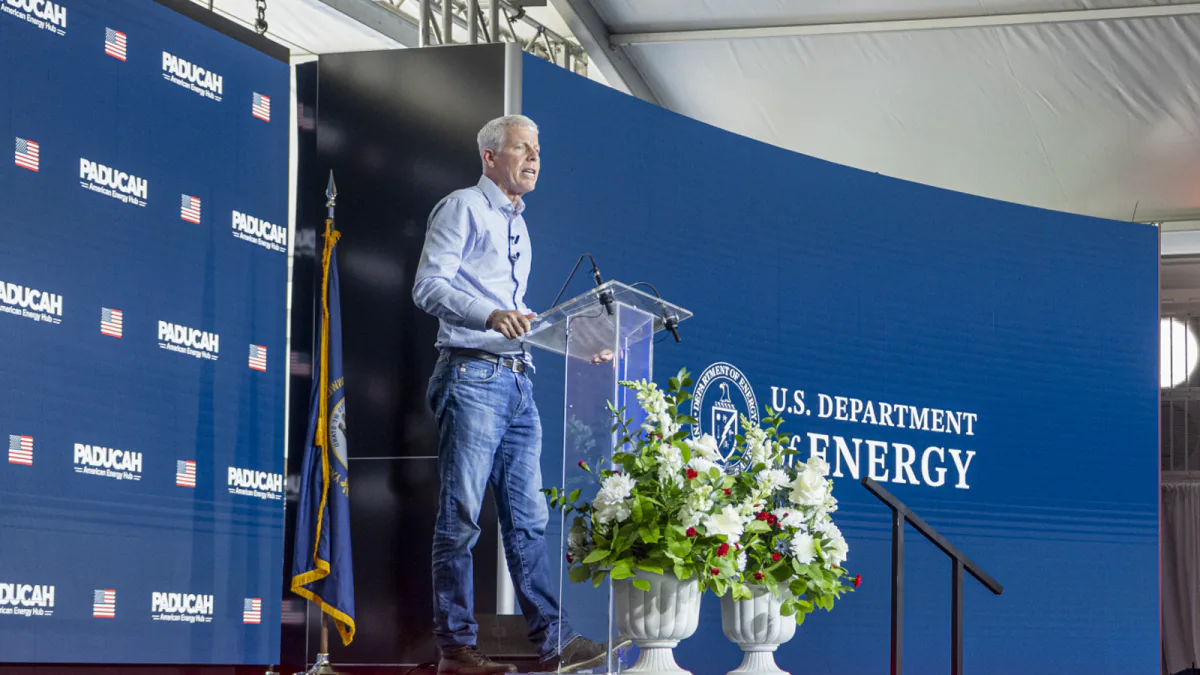
The U.S. Department of Energy, Brookfield and NextEra Energy describe a privately financed AI and high-performance computing campus on 785 acres of the former Paducah uranium-enrichment site. The public releases agree on the planned power assets, but not on the completion year or on how 1.8GW of campus capacity relates to more than 1.2GW of compute.
A spectacular reveal deserves more than a spectacular headline. Our extended analysis separates the reported demonstration, the different Roadster versions and the engineering evidence needed before a short aerial maneuver becomes useful transport.
A rack-scale announcement raises a practical question for organizations using AI tools: which part of the work needs more computing capacity? Our decision framework separates execution, model responses and the authority to act.
The announced change leaves application owners with two different jobs: choosing a runtime and moving a running service. Our original migration walkthrough explains why saved state and recovery matter as much as a successful launch.
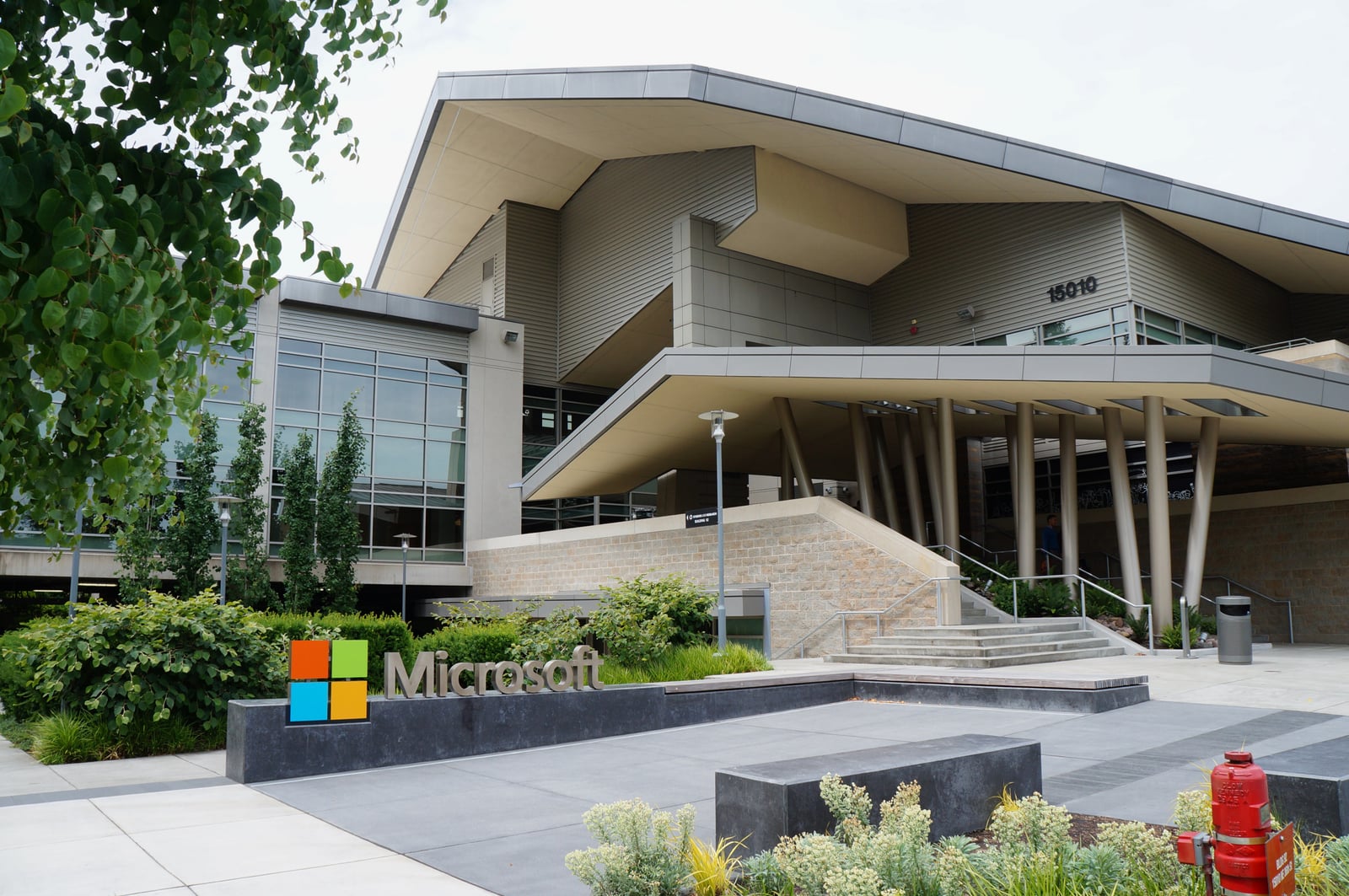
Microsoft’s October rollout changes access for EWS-dependent integrations. Here is a practical inventory and migration checklist, including the limits of Graph.
The completed acquisition brings AI accelerators into a wider embedded-chip portfolio. For camera and robot makers, software support may matter as much as raw computing power.
Reporting duties under the Cyber Resilience Act began on September 11. Here is what changes for connected products, why the deadlines matter, and where the promise of safer technology still needs to be proved.
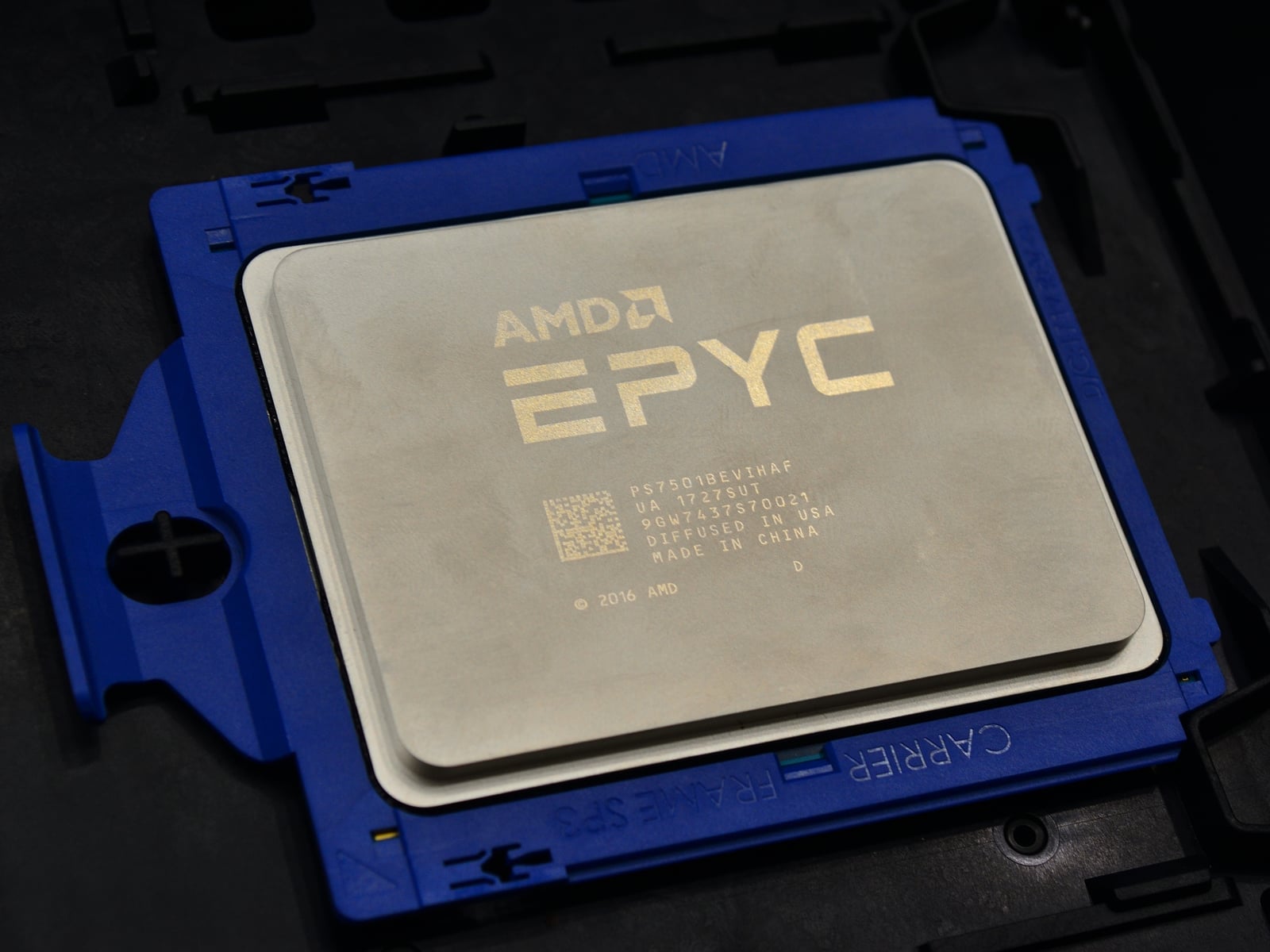
Their new collaboration covers customized chips and optical connections. The story is not just how quickly a processor works, but how efficiently the surrounding system can keep it busy.