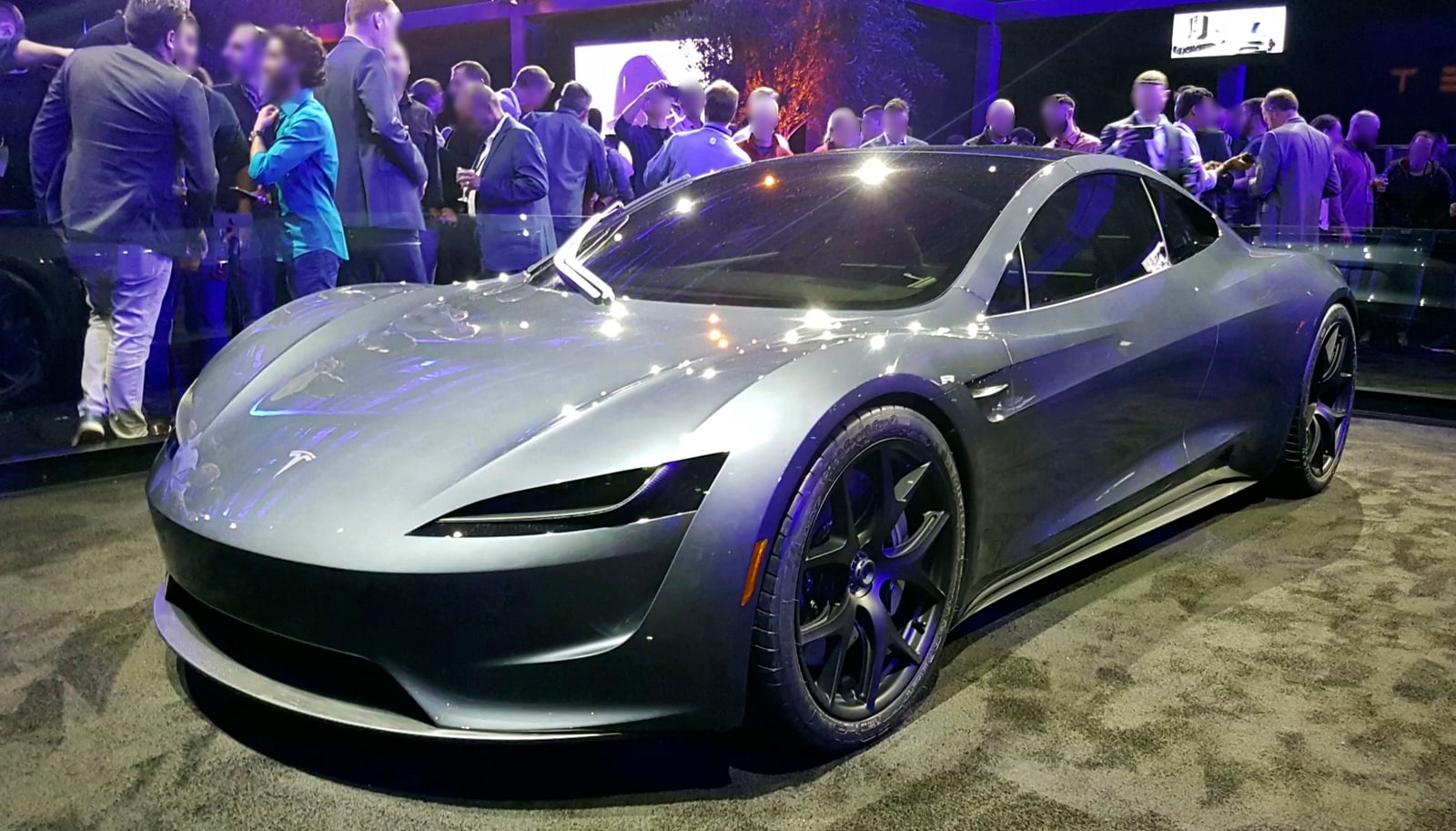
A spectacular reveal deserves more than a spectacular headline. Our extended analysis separates the reported demonstration, the different Roadster versions and the engineering evidence needed before a short aerial maneuver becomes useful transport.
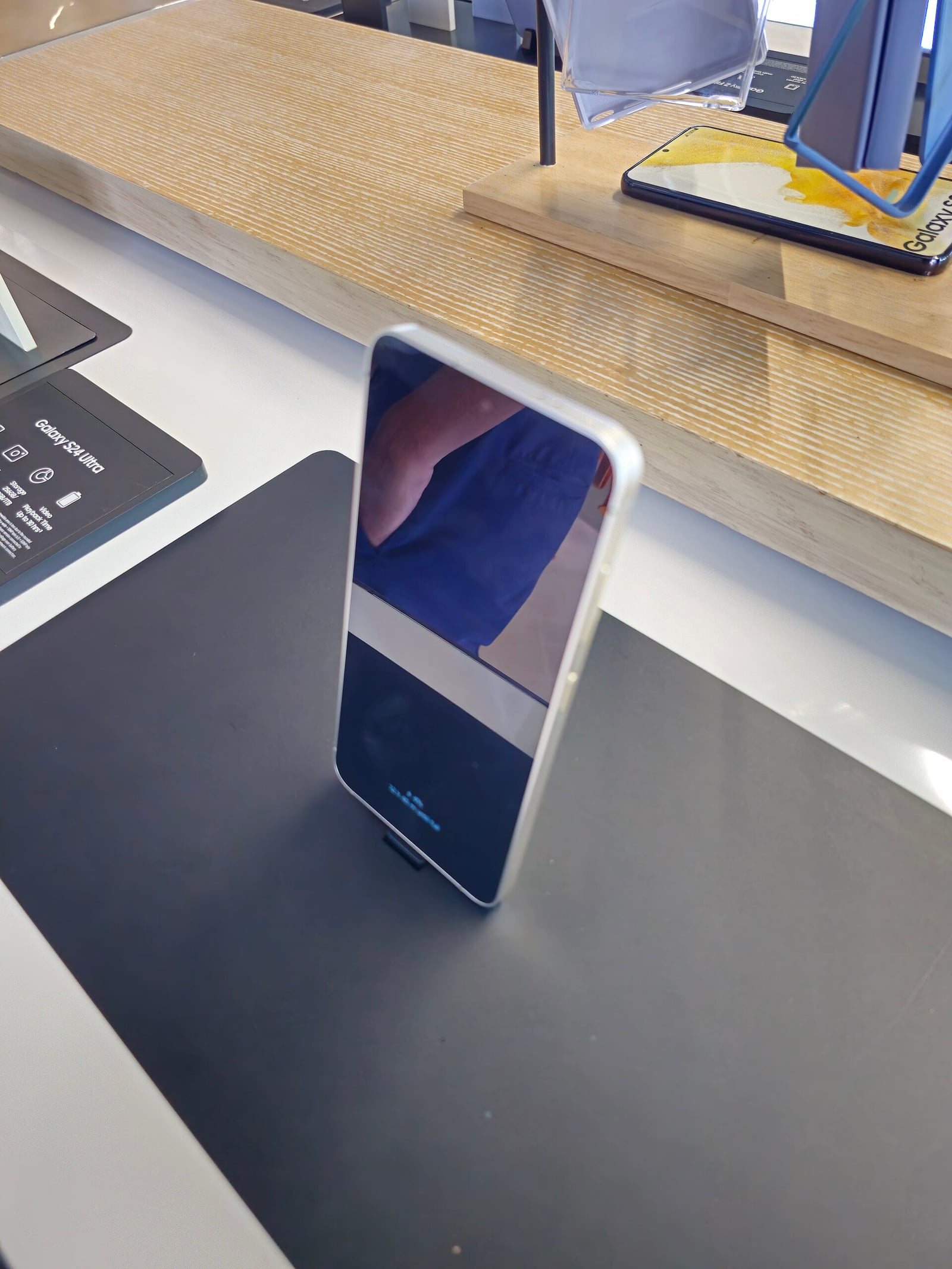
An assistant becomes useful when it reduces the distance between a conversation and a correctly finished task. Our reading separates that everyday benefit from the temptation to replace a perfectly adequate handset.
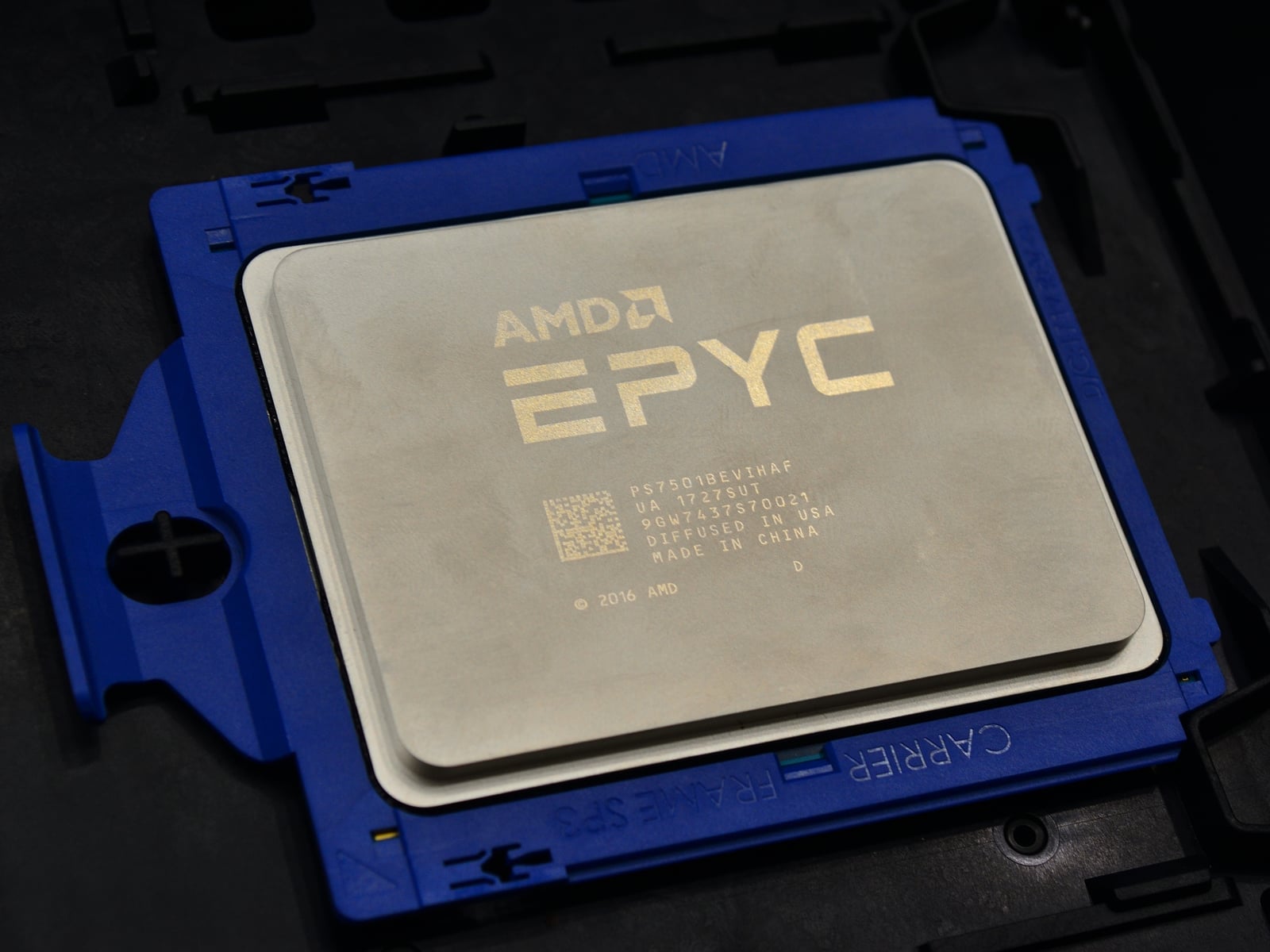
A rack-scale announcement raises a practical question for organizations using AI tools: which part of the work needs more computing capacity? Our decision framework separates execution, model responses and the authority to act.
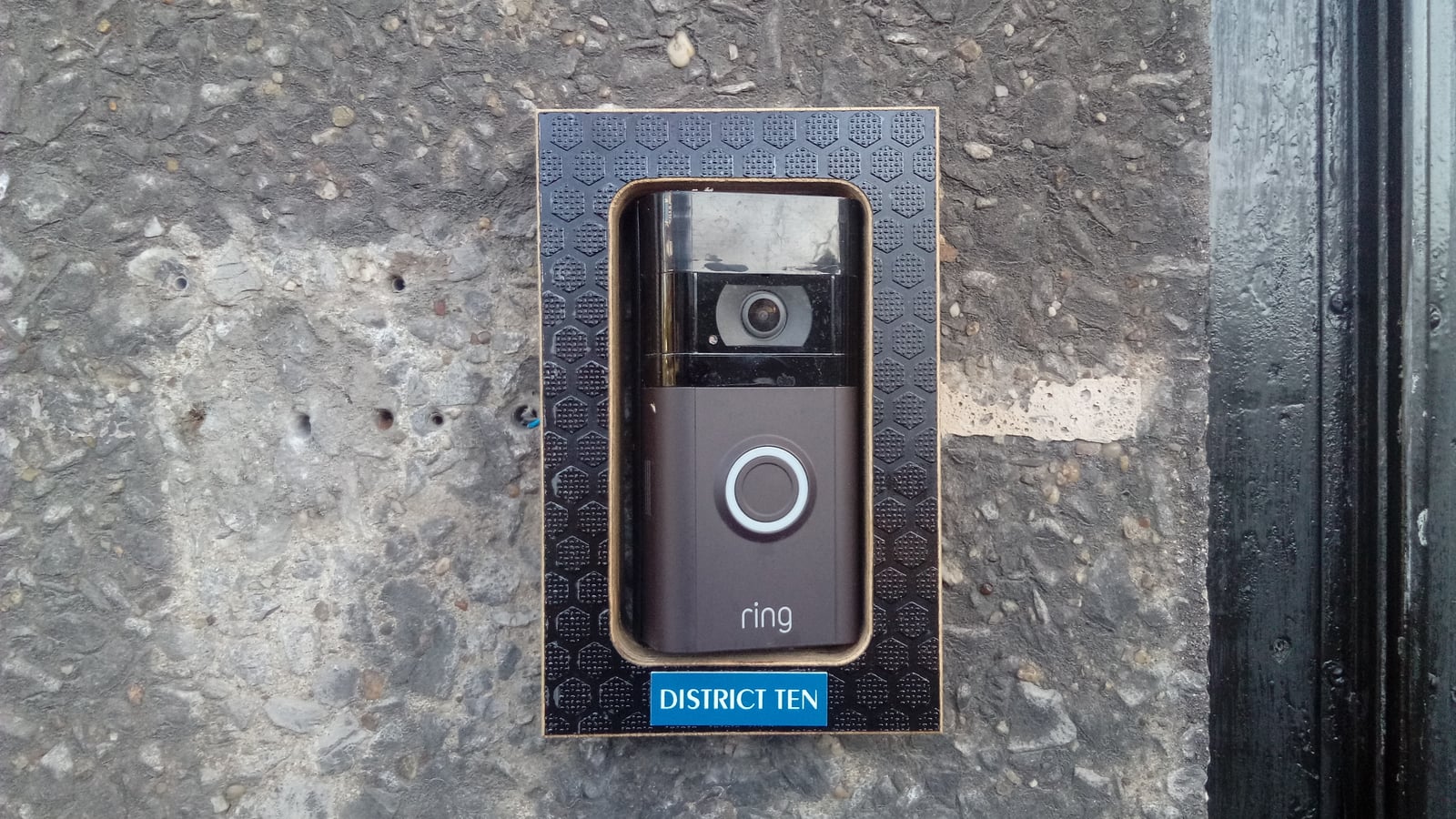
A physical fallback is an interesting addition to a connected home. We separate the announced hardware from the recovery, access and privacy questions readers still need answered before relying on it.
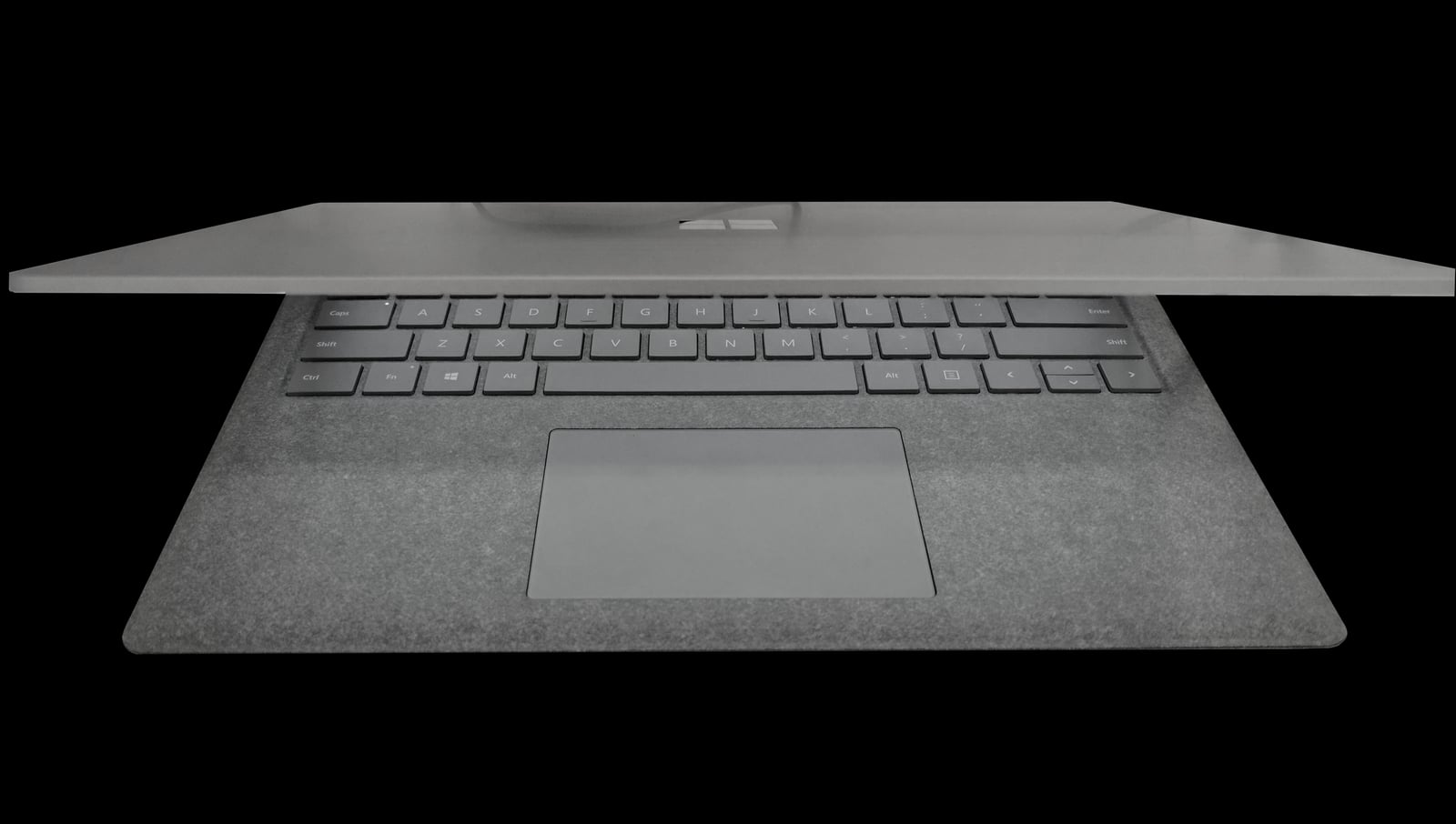
Microsoft’s October 7 announcement adds prices and shipping plans to its local-AI laptop and desktop. We explain the configuration choices, memory arithmetic and creative-workflow checks that matter before spending thousands.
A newly published MIT News feature explains a continuing accelerator survey. Our guide separates dated specifications from useful-work measurements, with a worked energy example and a practical evaluation checklist.
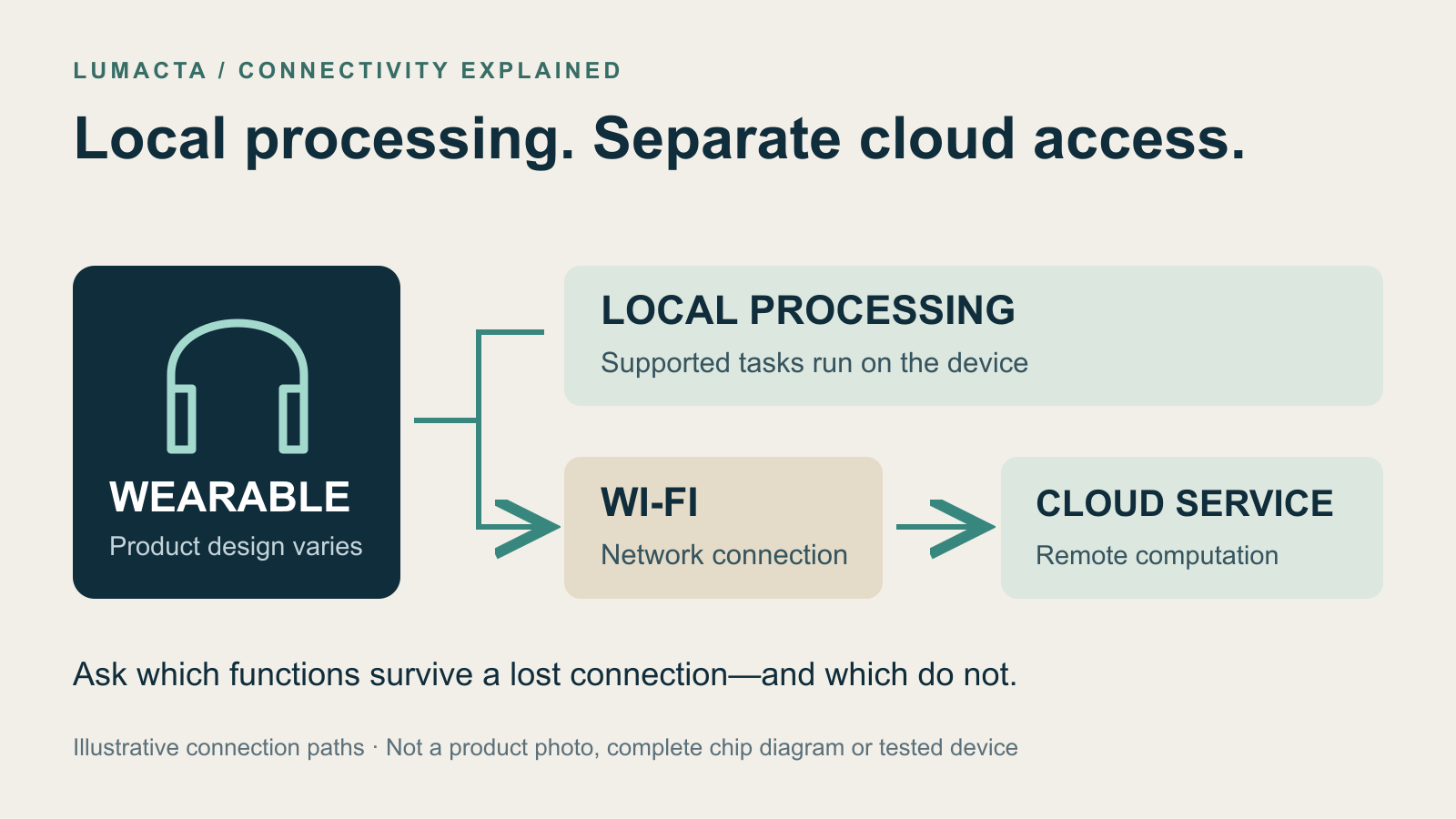
Snapdragon Sound Elite Gen 2 combines local processing with direct cloud connectivity. We examine what changes, what still depends on a connection and what its headline efficiency claim actually measures.
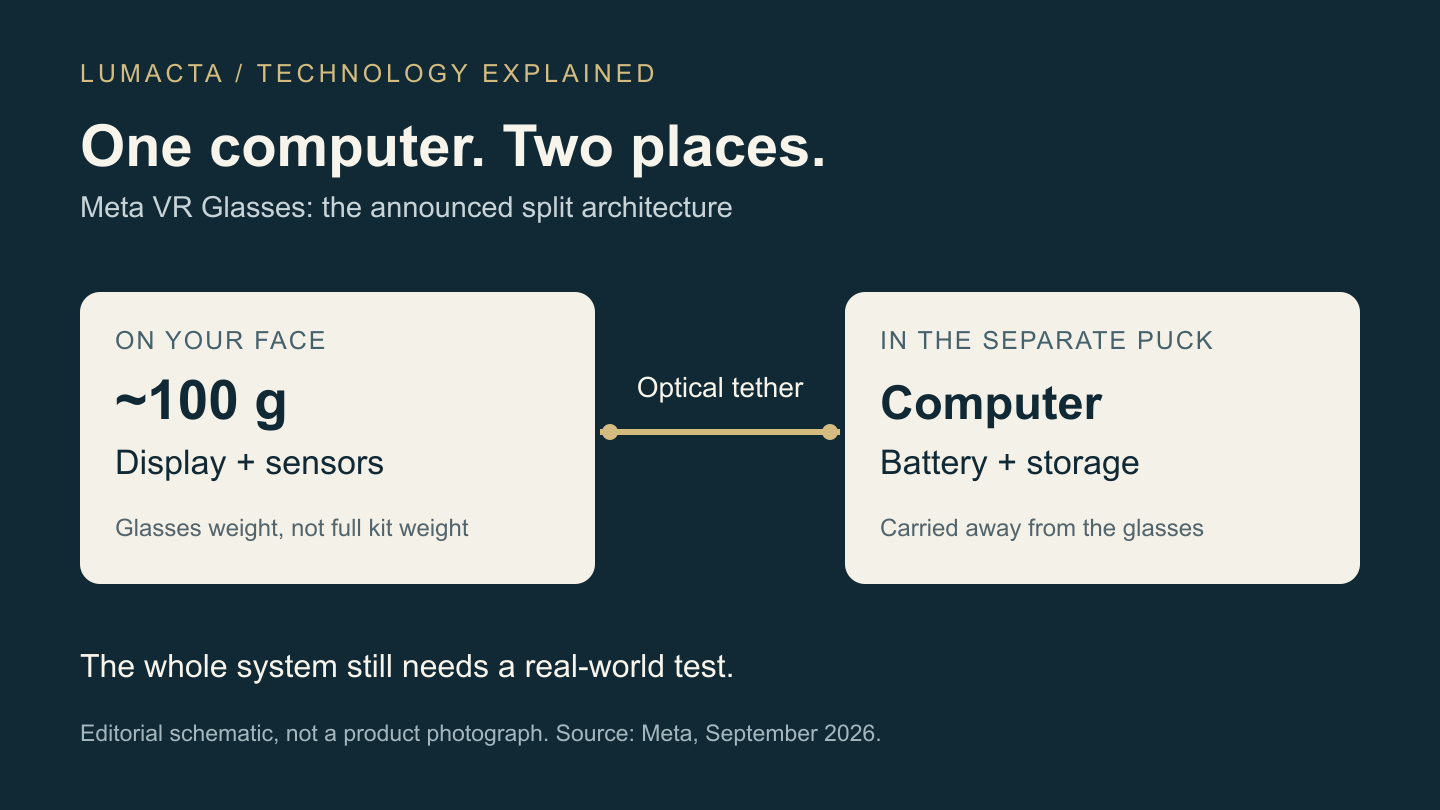
The next VR design separates the display from a pocket computer. Here is why that could help—and what buyers and developers should check before treating it as a laptop replacement.
Qualcomm has opened an early developer preview, while Ubuntu support targets 2027. The real question is whether the complete laptop—not just its processor—will be dependable.
The completed acquisition brings AI accelerators into a wider embedded-chip portfolio. For camera and robot makers, software support may matter as much as raw computing power.
A September trial combined authenticated navigation data with authenticated ranging. It is a meaningful anti-spoofing milestone—not a promise of unjammable navigation.
Arm's new mobile platform links C2 processors with a neural-graphics Mali GPU. The design targets more capable on-device AI, but its performance claims still need testing in finished phones.
Their new collaboration covers customized chips and optical connections. The story is not just how quickly a processor works, but how efficiently the surrounding system can keep it busy.
Archive update, September 23: Apple’s September 9 event has taken place. This page preserves our September 8 preview and directs readers to the launch coverage and feature requirements they should consult now.
The IFA announcements put memory capacity and pen input in the spotlight. For creators, the deciding questions are still software compatibility, sustained performance and the price Lenovo has not announced.
Screen Sync and a lower-priced 4K HDMI box target different living rooms. The practical choice starts with where your programmes come from, not how colourful the demonstration looks.
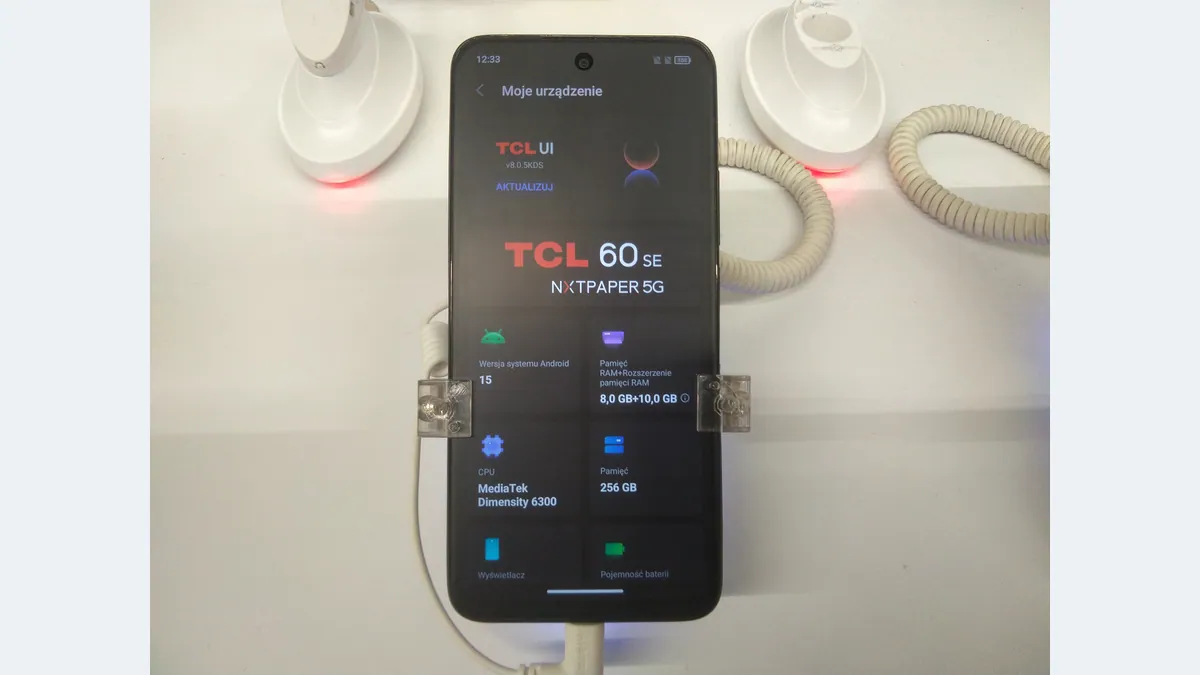
NXTPAPER meets AMOLED in a phone aimed at more than a brighter shop-floor demonstration. Here is what the specifications establish — and what only time with the display can answer.
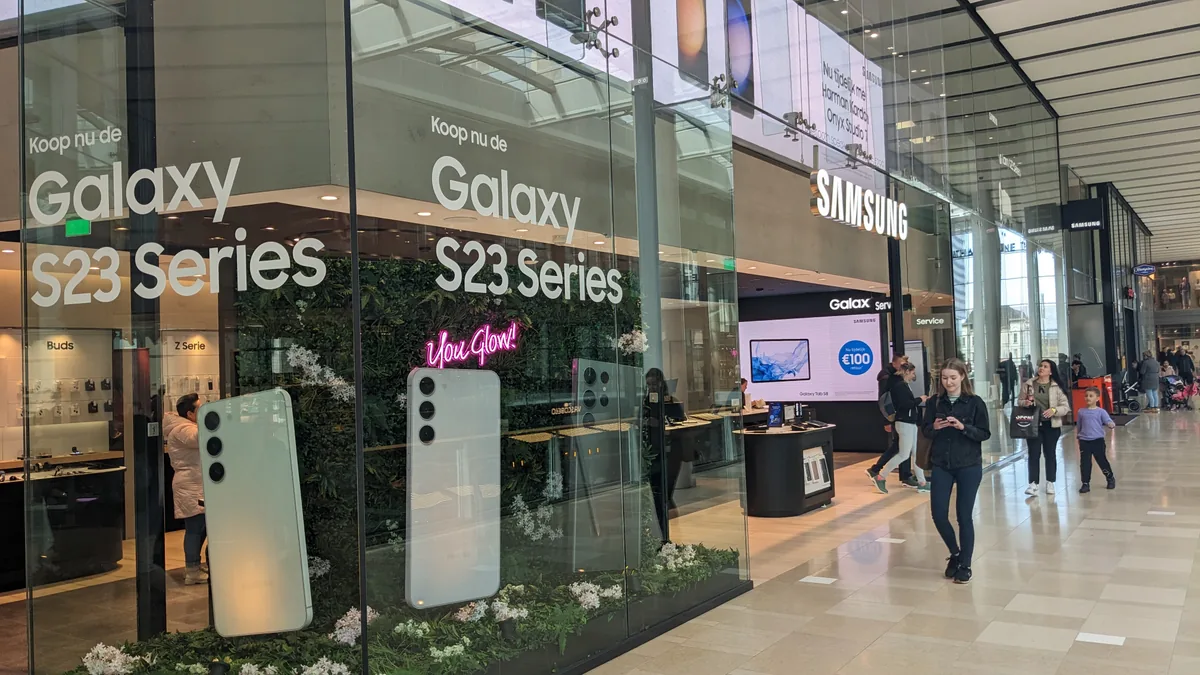
From Galaxy devices to gaming screens and appliances, Samsung Connect in Berlin sells a shared ecosystem. The interesting question is how much of that promise survives outside the demonstration room.
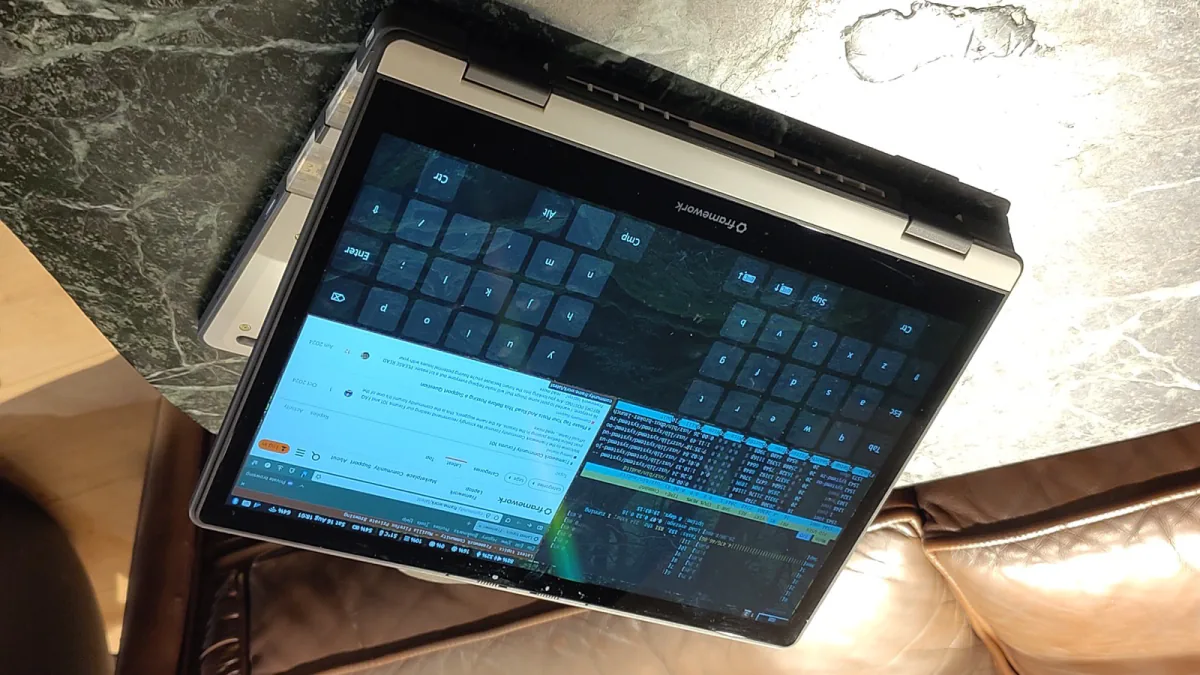
Keeping the chassis is a meaningful option, not an automatic saving. The best upgrade decision starts with the condition of the laptop you already own and the specific limitation you need to fix.
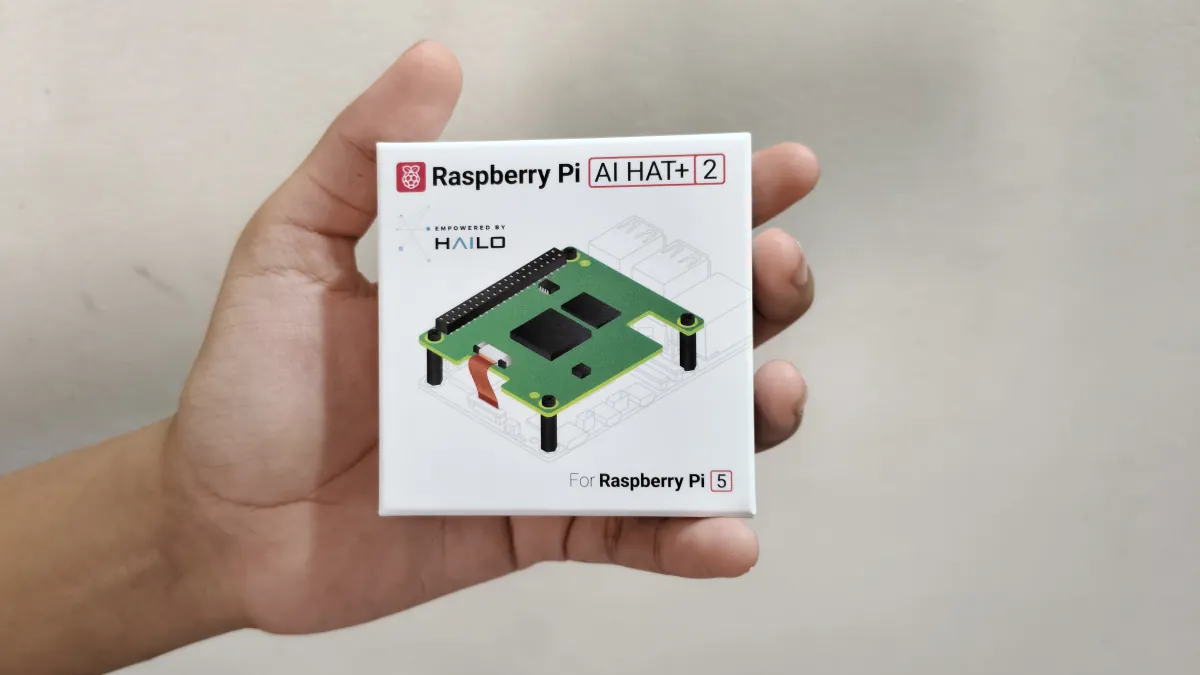
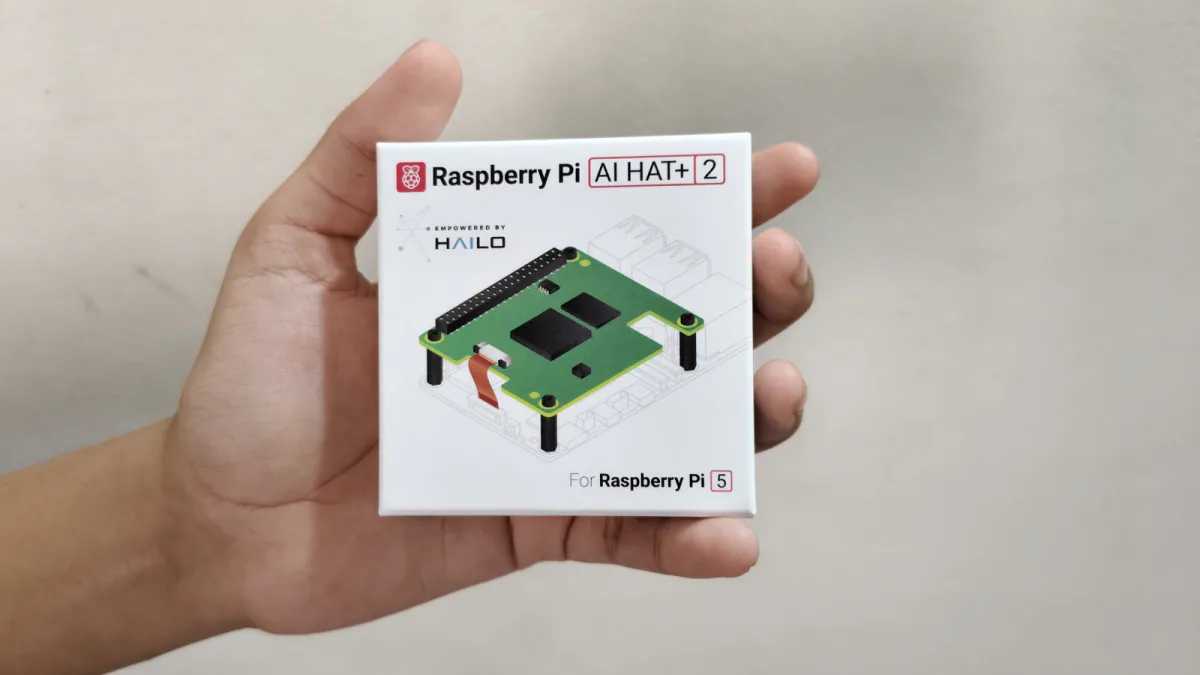
The AI HAT+ 2 is a route to specific local AI projects, not a complete computer or a universal model runner. We priced an example Pi 5 setup, separated reused parts from new purchases and checked the software path before drawing a buying conclusion.
An experiment can become more orderly without protecting arbitrary information. We explain the result, distinguish the publication date from the earlier preprint, and show why the target matters.
A familiar version number does not settle an update check. We explain how to record the installed security date and distinguish an announcement from a completed installation.
A new funding round supports work on integrating light-emitting materials. We examine an earlier experiment and explain why accurate placement, useful light and manufacturing yield need separate evidence.
An Argonne report invites engineers to examine the whole material assembly. We explain the measurement, distinguish depth from device size and propose what an array experiment should test.
Brown’s October 1 announcement highlights a brain-inspired imaging experiment. The paper separates image reconstruction from field readiness—and a short computing time from the longer observation needed to collect useful light.
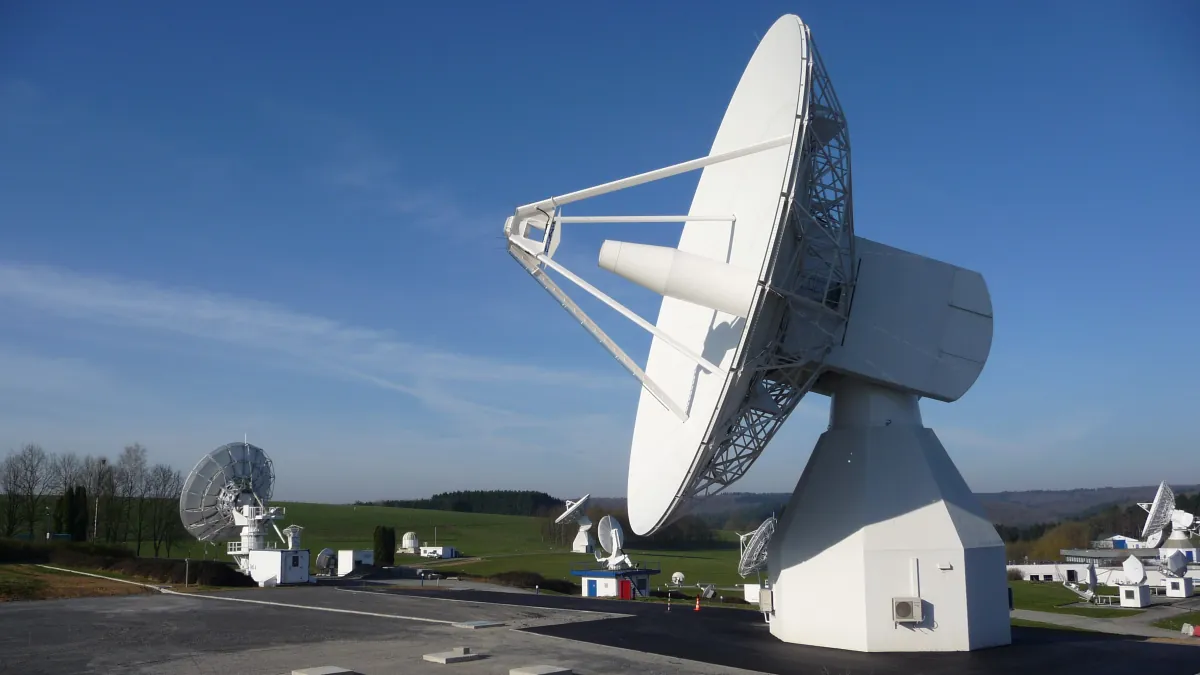
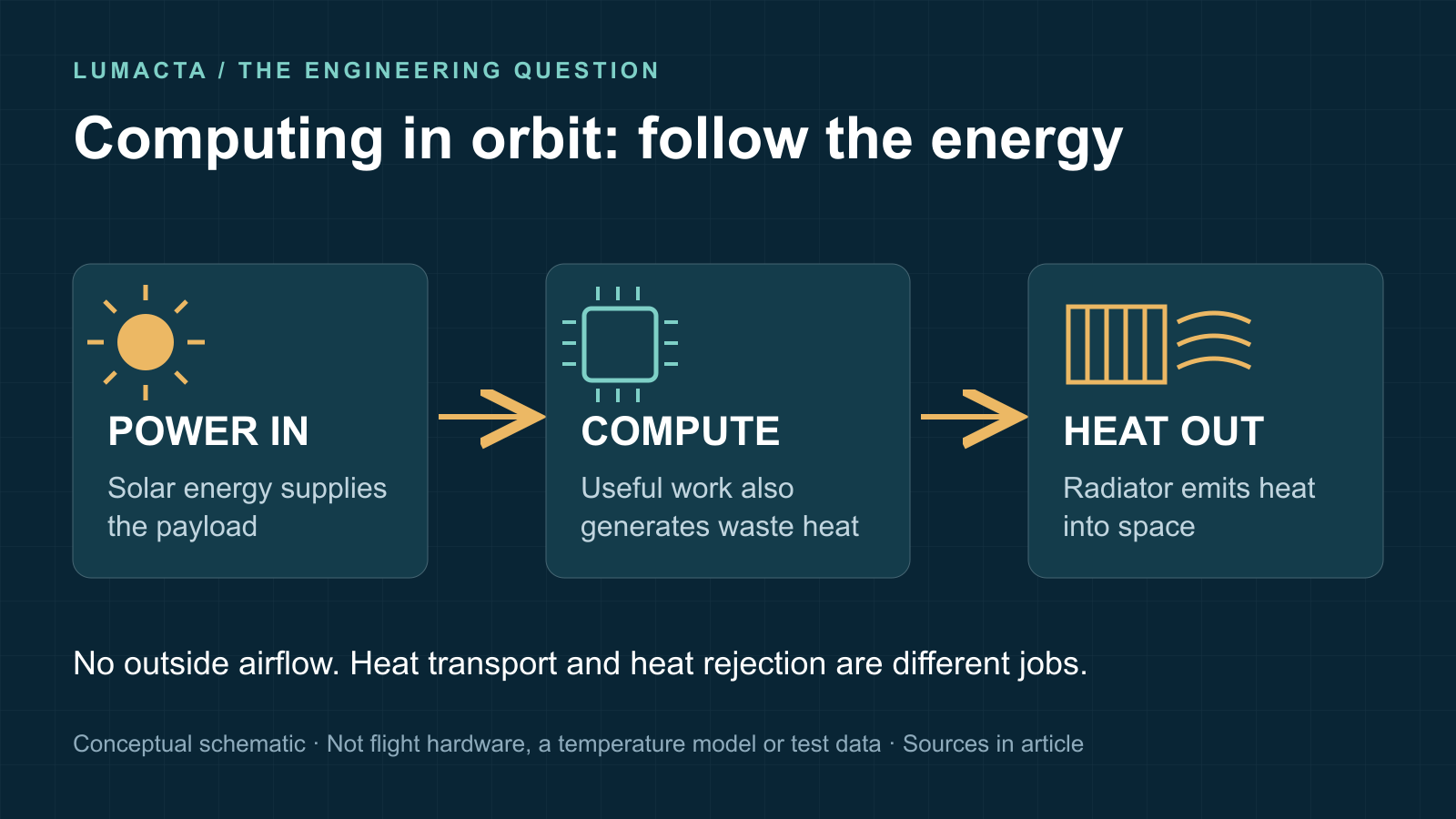
Project Suncatcher is approaching its first orbital hardware test. The useful question is not simply whether a chip survives space, but whether an entire computing system can work there reliably.
A new molecular-computing experiment performs arithmetic in liquid. Its significance is in the chemistry—not a claim that DNA is about to replace your laptop.
MIT researchers have demonstrated neuron-like behavior using nanoscale motion. The intriguing result is a new computing building block—not a brain, a finished AI chip or a proven replacement for today's processors.
An experimental interface decodes attempted speech and gestures together to control an avatar. The advance is about richer communication—not unrestricted mind-reading or a cure for paralysis.
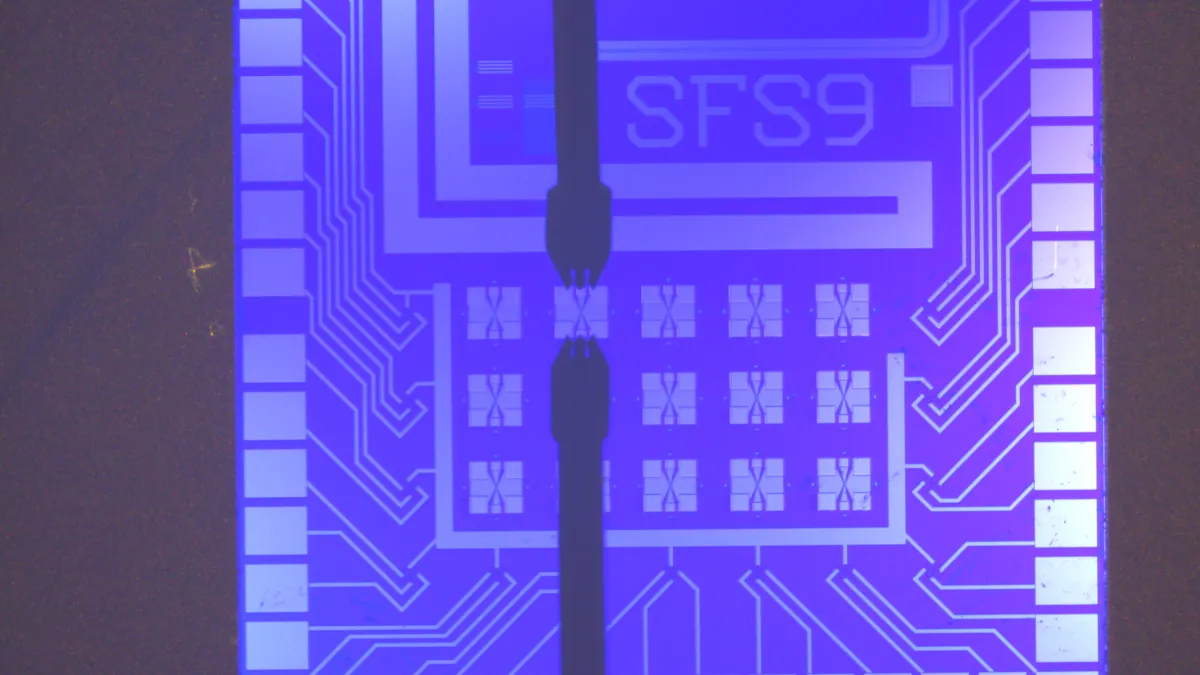
KAIST-led research tackles a difficult connection inside atomically thin transistors. The result is promising, but a dramatic component-level improvement is not a faster AI processor.
iOS 27 arrived on September 14. We explain Apple Intelligence, Siri AI's beta waitlist, EU restrictions, supported hardware and the limits of AI assistance.
The useful question is not how many features Google announced, but which everyday problem each one solves—and what happens when its answer or sharing settings are wrong.