AI systems, models, agents, robotics and documented automation consequences.
Judge the finished task, not just the answer
Follow the intended action, the evidence supporting it and the boundary it must respect. Research tools and working products answer different questions.
What should an agent be allowed to do?
Connect real-world boundaries with proposed tasks, permission and recovery responsibilities.
Anthropic’s October 9 disclosure makes a practical distinction urgent: preparing an action, permitting it and actually executing it are different stages. Our original walkthrough shows where a team should put the checks.
Google’s October 7 tooling overview brings official documentation into terminals, agents and applications. We explain the difference between finding a relevant passage, generating an answer and proving that a change works.
Google’s September 30 announcement brings a million-token output limit and a restricted cybersecurity rollout. We explain the access conditions, introductory versus later pricing and what a longer-running agent still needs to prove.
OpenAI promises performance close to Astra at a lower price. We explain where Sol is available, compare the API rates and show why a cheap answer is not automatically a cheap completed task.
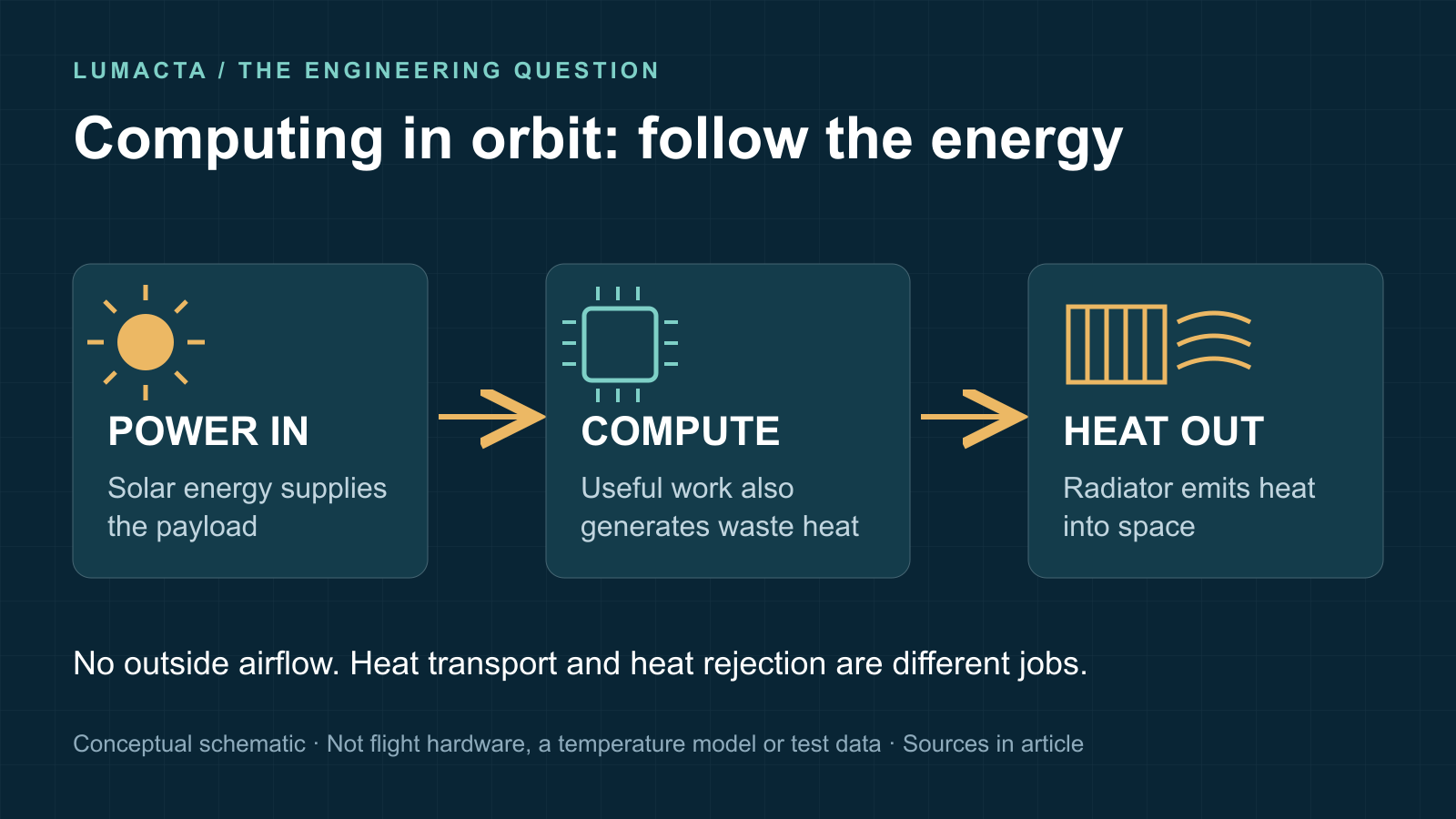
Project Suncatcher is approaching its first orbital hardware test. The useful question is not simply whether a chip survives space, but whether an entire computing system can work there reliably.
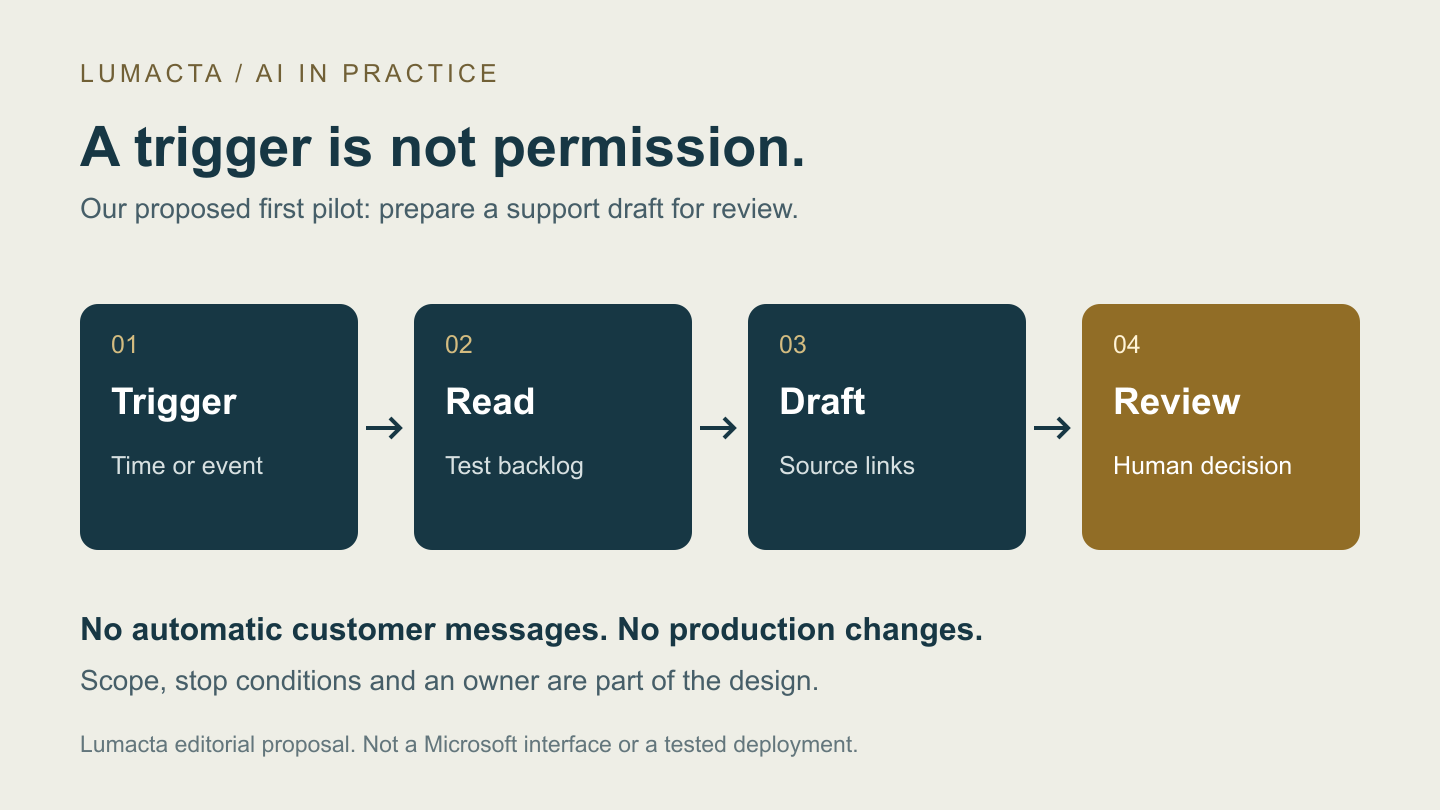
Foundry Routines have reached general availability. We explain the difference between starting an agent, letting it resume later and safely allowing it to change something.
Alibaba’s roadmap joins models, accelerators and cloud services into one proposition. For customers, the important distinction is between something documented now, something announced and something planned for later. Our status map and worked example show what evidence a buyer should ask for next.
The new model targets longer coding and office tasks. Its launch is also a reminder that cheap tokens, fast answers and reliable results are three different things.
Google is expanding its experimental assistant to families. The useful question is not how much it can remember, but what it should be allowed to see and do.
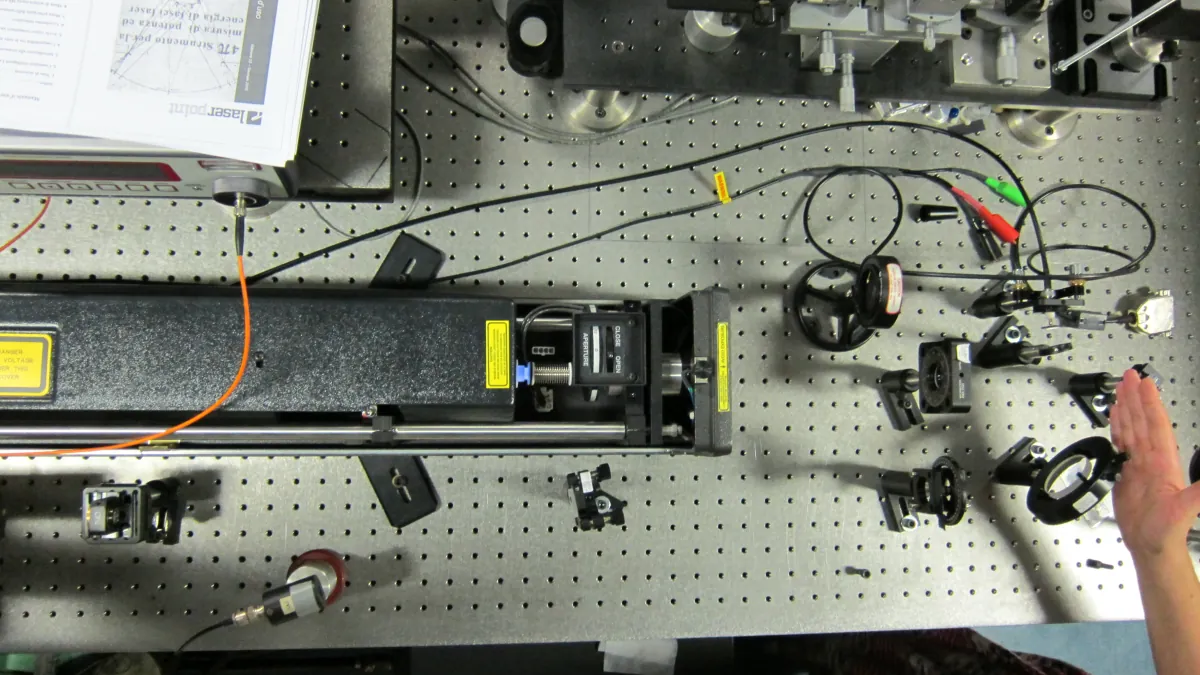
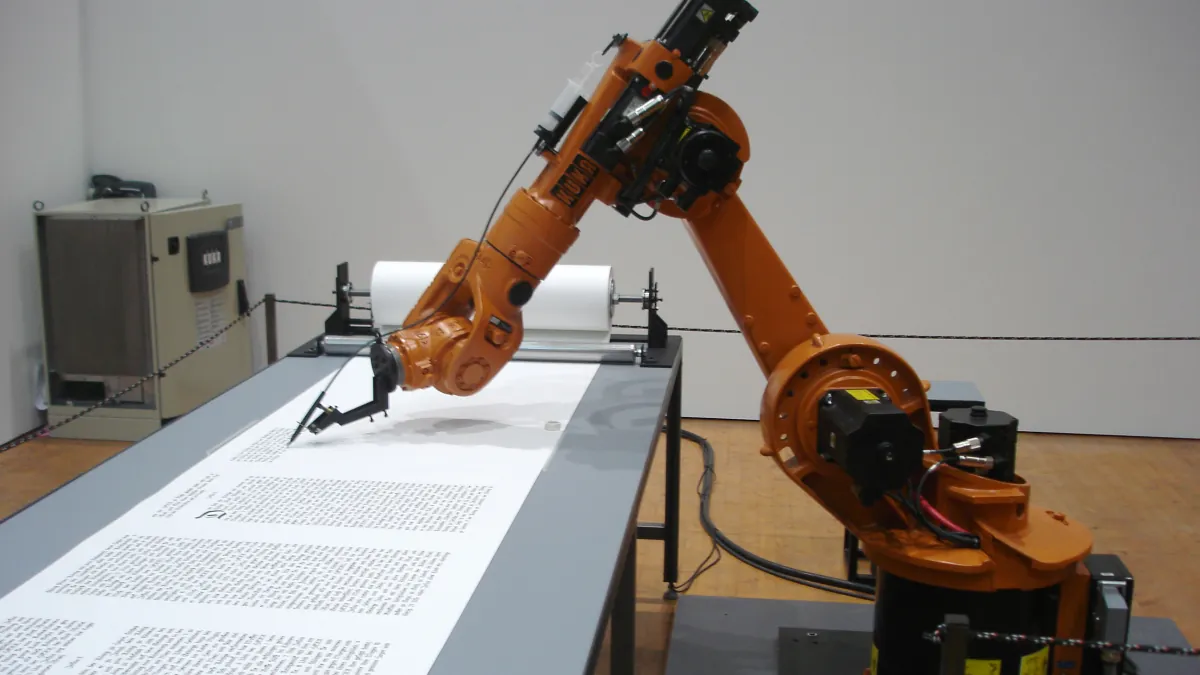
A robotic optics laboratory links assembly, alignment and repair. The useful breakthrough is a measurable feedback loop, not a machine that replaces scientific judgment.
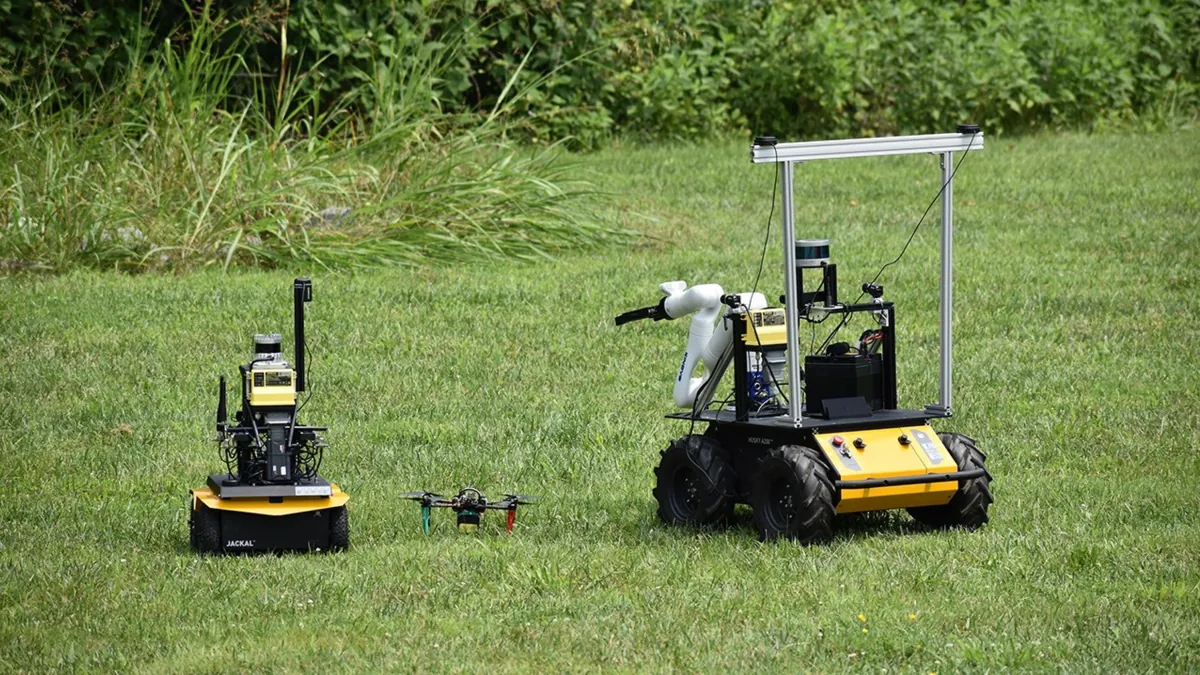
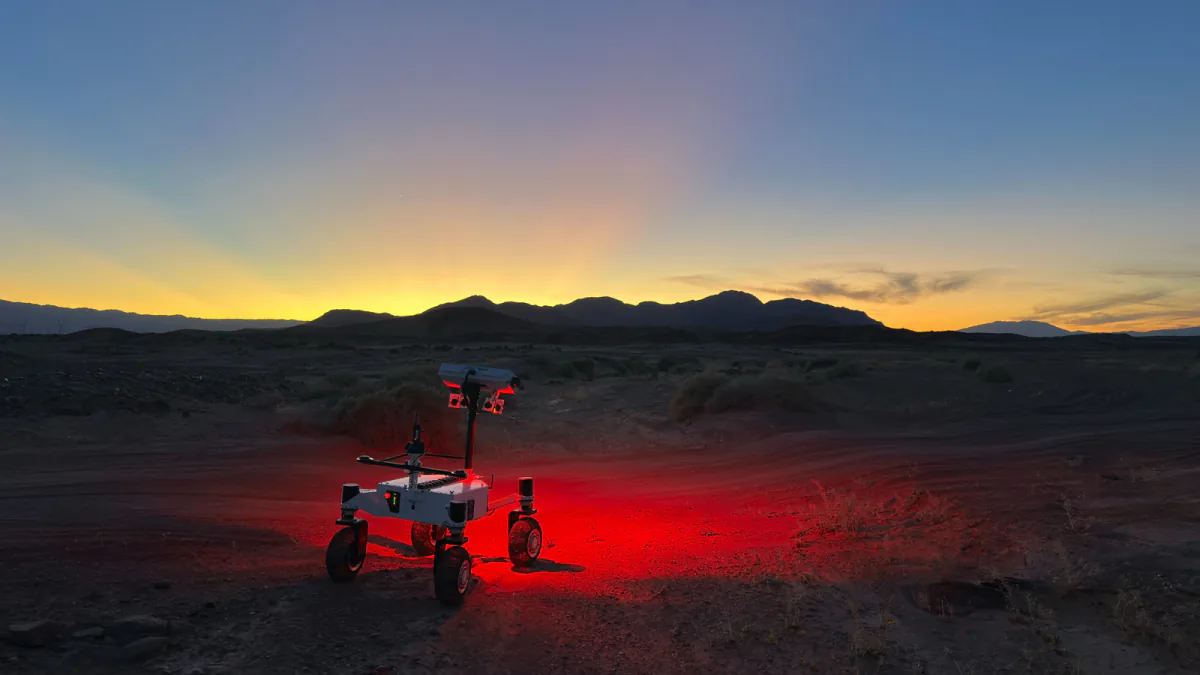
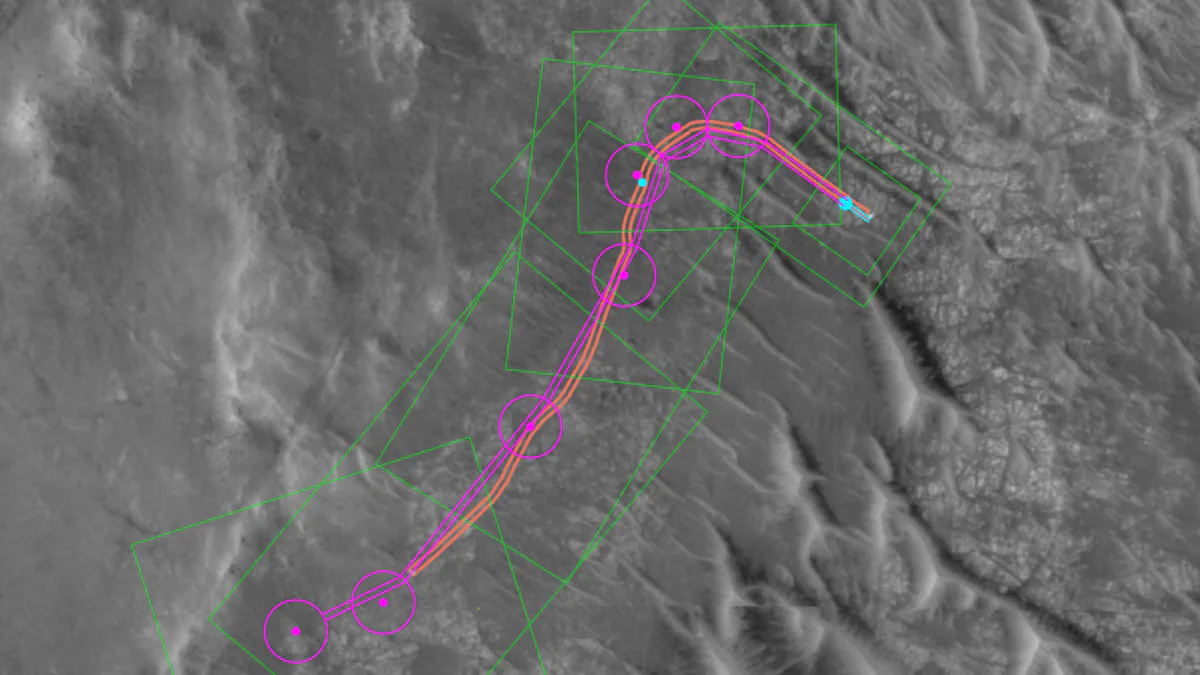
A drone and two rovers tested in Virginia point to a harder challenge in space robotics: deciding what deserves attention when Earth cannot answer immediately.
A method highlighted by MIT on September 14 steers generative models toward outputs that obey strict constraints. Its promise is better control—not a blanket guarantee that a robot is safe.
A new public invitation asks volunteers to inspect real Euclid data and help identify unwanted artifacts. The aim is more trustworthy astronomy—not a claim that an AI system has already solved dark energy.
MAPL-EMIT turns space-station observations into possible methane sources. Its most important reading instruction is to check the confidence label before trusting the dot on a map.
A newly released research model brings lunar observations together. The opportunity is better scientific questions, not an AI-certified route to a Moon base.
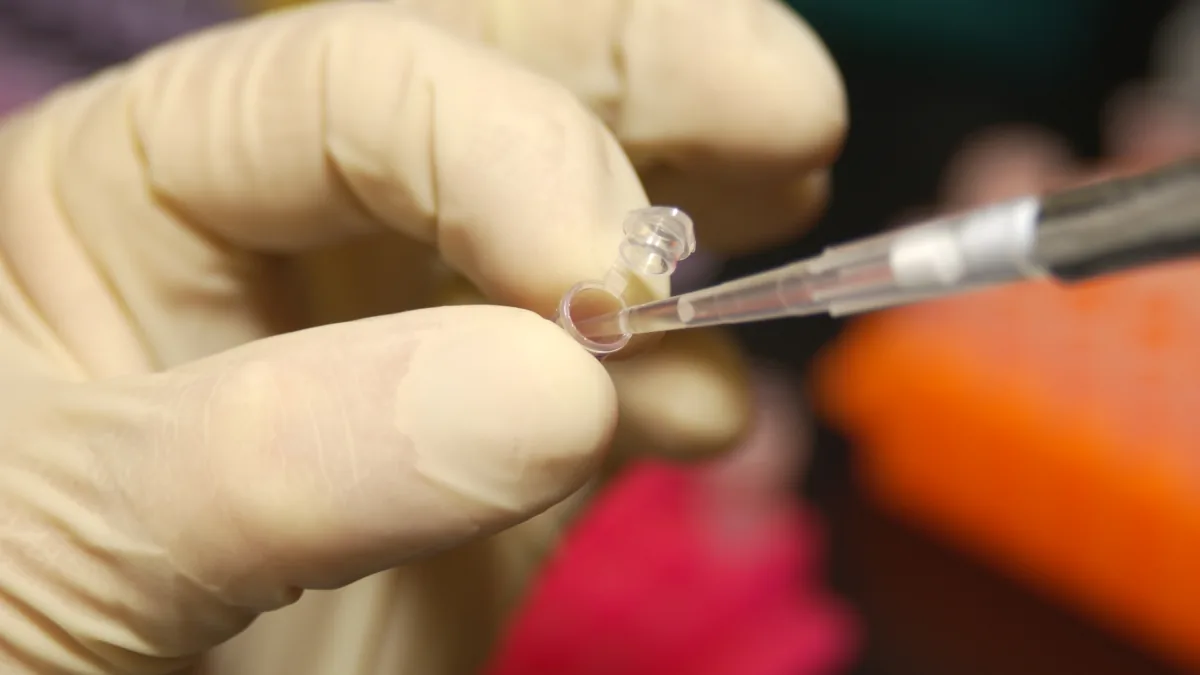
Google DeepMind has released a map of possible single-letter DNA changes. Its promise is to help researchers choose better experiments, not to read a person's medical future.
The US rollout moves beyond answering questions toward doing tasks. Its promise of saved time comes with a more consequential question: how much access should an AI agent receive?
Astra promises better follow-through, not just better answers. We compare it with older GPT models, Claude, Gemini and DeepSeek — and explain why intelligence needs more than an IQ headline.
An assistant becomes useful when it reduces the distance between a conversation and a correctly finished task. Our reading separates that everyday benefit from the temptation to replace a perfectly adequate handset.
New research separates finding a plume from estimating its size. We examine the experimental controls, explain a misleading AI statistic and calculate why an alert needs a denominator.
A rack-scale announcement raises a practical question for organizations using AI tools: which part of the work needs more computing capacity? Our decision framework separates execution, model responses and the authority to act.
Microsoft’s October 7 announcement adds prices and shipping plans to its local-AI laptop and desktop. We explain the configuration choices, memory arithmetic and creative-workflow checks that matter before spending thousands.
A newly published MIT News feature explains a continuing accelerator survey. Our guide separates dated specifications from useful-work measurements, with a worked energy example and a practical evaluation checklist.
A disclosed research incident exposes an important distinction for anyone deploying autonomous tools: detecting a crossed boundary and containing the activity are separate engineering tasks.
New editing, testing and likeness tools could reduce production work. Their value depends on preserving meaning, understanding the rollout and measuring more than clicks.
The completed acquisition brings AI accelerators into a wider embedded-chip portfolio. For camera and robot makers, software support may matter as much as raw computing power.
iOS 27 arrived on September 14. We explain Apple Intelligence, Siri AI's beta waitlist, EU restrictions, supported hardware and the limits of AI assistance.
A September report describes abuse detected on Anthropic's services. The cases deserve attention—but a company's selected investigations are not a worldwide measure of AI crime.
A research tool lets people repair selected parts of AI-generated objects before fabrication. Its small user studies are encouraging—but an editable model is not the same as a tested, reliable product.
Their new collaboration covers customized chips and optical connections. The story is not just how quickly a processor works, but how efficiently the surrounding system can keep it busy.
The planned data-centre investment comes with a 22-year nuclear power agreement and a large battery project. Understanding the deal means separating construction promises, electricity contracts and local benefits.
The $12.93 billion agreement would put a central model-sharing platform inside the dominant AI-chip company. Hardware neutrality is promised; closing and long-term behavior remain ahead.
The IFA announcements put memory capacity and pen input in the spotlight. For creators, the deciding questions are still software compatibility, sustained performance and the price Lenovo has not announced.
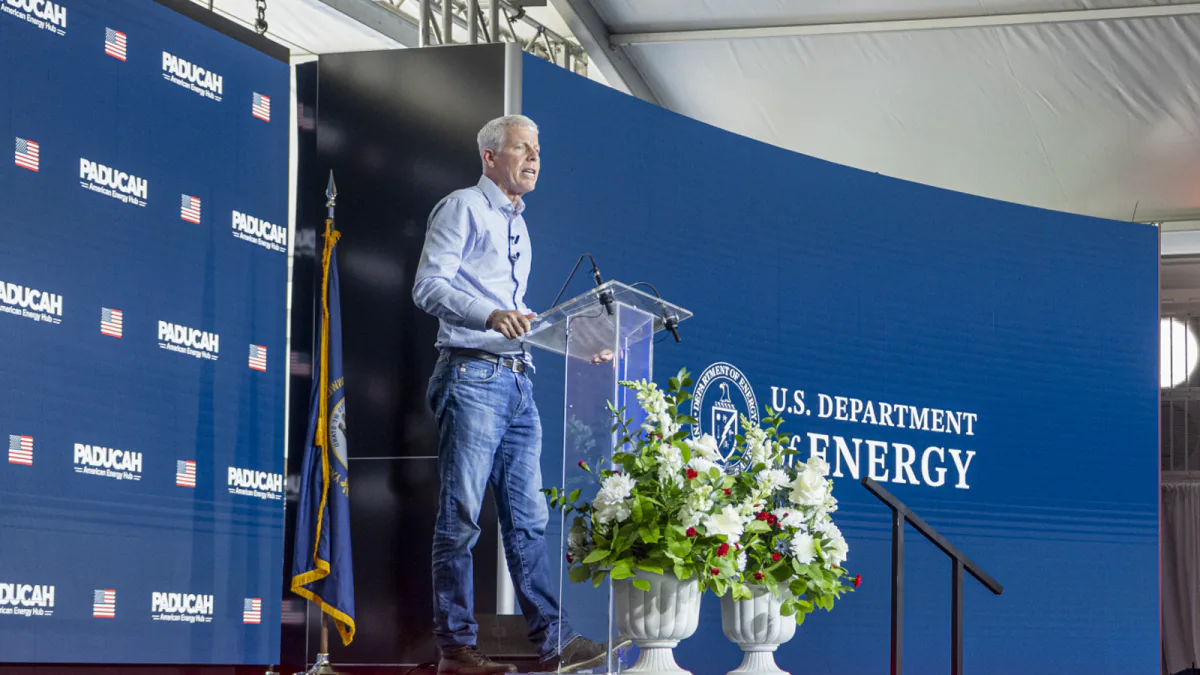
The U.S. Department of Energy, Brookfield and NextEra Energy describe a privately financed AI and high-performance computing campus on 785 acres of the former Paducah uranium-enrichment site. The public releases agree on the planned power assets, but not on the completion year or on how 1.8GW of campus capacity relates to more than 1.2GW of compute.
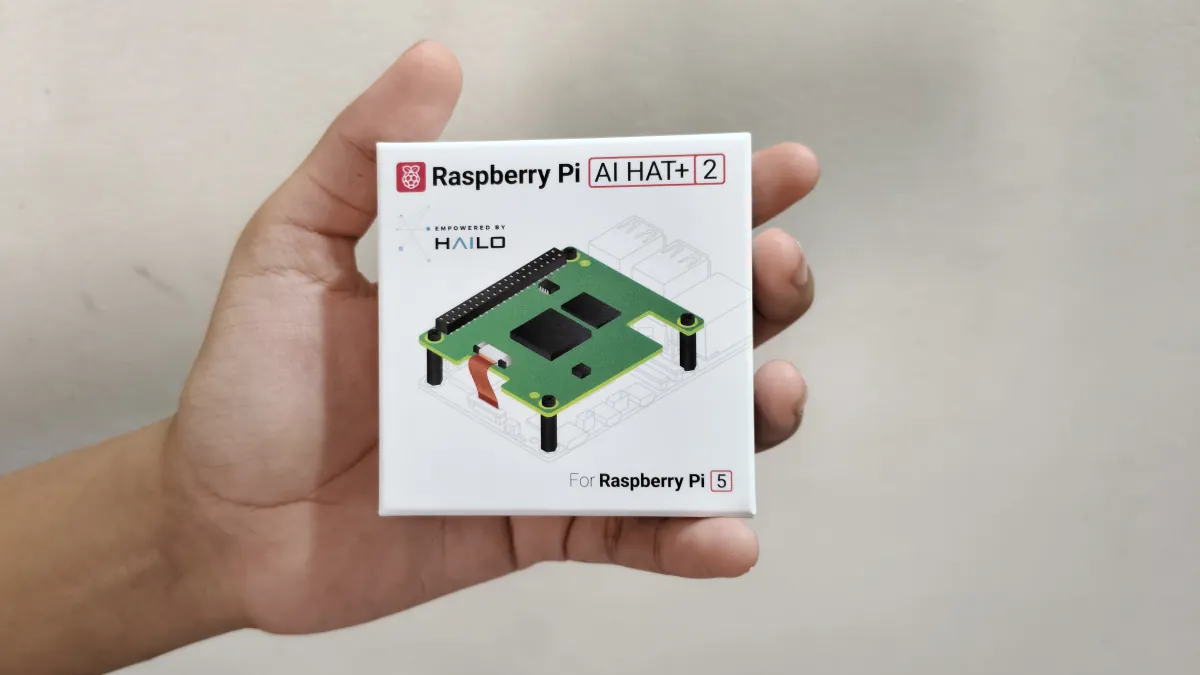
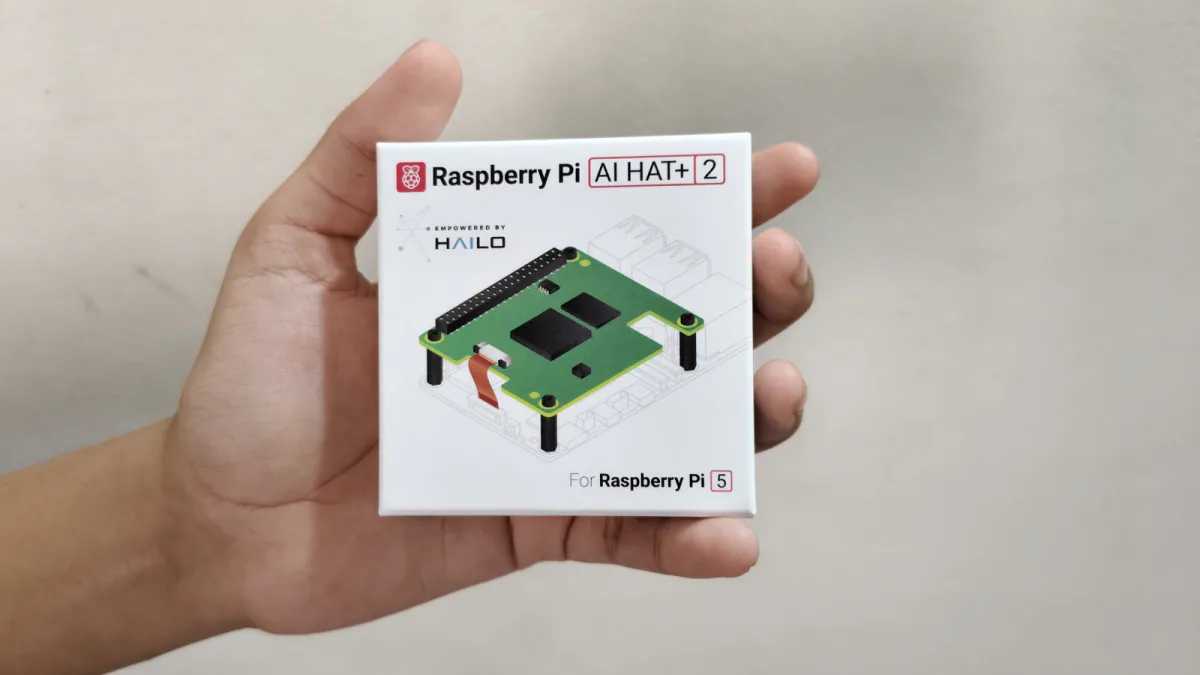
The AI HAT+ 2 is a route to specific local AI projects, not a complete computer or a universal model runner. We priced an example Pi 5 setup, separated reused parts from new purchases and checked the software path before drawing a buying conclusion.