
The Friday release, and the version to record
NVIDIA’s October 23 RTX Remix 1.6 notes add DLSS 3D-Guided Neural Rendering controls, Windows on ARM support and headless Toolkit workflows. The published GitHub release is tagged remix-1.6.1; its notes describe 1.6. That naming distinction matters when recording a reproducible setup.
For a modder planning the next week’s work, the useful question is what would justify adopting this update in an actual project. Our answer is an acceptance plan: specify the intended look, choose representative scenes, preserve a comparison and establish that another person can use the result.
A compelling demonstration can suggest where to investigate. It cannot decide the artistic direction of every game or establish the behavior of an untested configuration. Treat the update as a candidate creative tool, then ask what evidence your own project would need before changing its working baseline.
Source notes: 1. Original editorial examples and interpretations are identified separately.
Define an artistic target before comparing pictures
The notes list global highlight and volumetric tuning alongside per-material masks, giving the artistic brief concrete controls to investigate.
Our suggested starting point is a short visual brief. Describe which qualities must survive a remaster: the visibility of a doorway, the atmosphere of a corridor, the distinction between a polished surface and painted scenery. These are hypothetical acceptance criteria, not faults we have observed in the new release.
Then compare against that brief rather than assuming that brighter, sharper or more cinematic automatically means better. For a hypothetical horror project, making every corner readable might defeat the author’s intended tension. For a competitive scene, hiding an important silhouette behind a dramatic lighting choice might work against the project’s purpose.
Keep an unchanged reference and explain deliberate departures. A reader should be able to tell whether a different appearance is an intended creative decision or an unresolved discrepancy. This makes a before-and-after comparison informative without pretending that there is one objective setting for every artistic goal.
Source notes: 1. Original editorial examples and interpretations are identified separately.
Start with coverage, then examine the difficult scenes
NVIDIA’s general compatibility reference centers on DirectX 8 and 9 games using fixed-function rendering. It explicitly distinguishes intercepting most drawing instructions from bug-free results, and notes that some effects need replacements or custom support. A compatibility label is therefore a starting point, not a completed quality check.
For a pilot, choose a short route that includes the material and lighting situations your project depends on. A room that looks excellent in a still image may be a poor substitute for checking transitions, moving objects and an ordinary sequence of play. This is our proposed sampling method; we have not run it on this release.
Record the game version and the exact setup with the observations. If something fails, describe the scene and expected result before assigning a cause. That gives a maintainer a useful question and avoids turning one unexplained problem into a claim that every configuration is broken.
Source notes: 2. Original editorial examples and interpretations are identified separately.
Independent evidence has a scope, too
Dave James’s October 15 PC Gamer report tested earlier preview-model files in NBA 2K27 on an Asus ProArt P16, using DLSS Balanced and four-times frame generation. It is independent, workload-specific evidence; it is not a test of RTX Remix 1.6 or a reader’s mod.
The lesson we draw is methodological: the configuration belongs beside the result. Ask which output resolution, quality mode, scene and frame-generation setting a comparison used. Ask separately what was measured about responsiveness. Do not translate a displayed frame-rate improvement into a measured latency result when the latter was not supplied.
A sensible project report would separate appearance, consistency and responsiveness instead of compressing them into a single winning number. If you cannot reproduce someone else’s workload, use that result to formulate a test, not to promise an equivalent gain. NVIDIA’s promotional quality or performance statements remain vendor claims unless independent evidence establishes the particular result being discussed.
Source notes: 4. Original editorial examples and interpretations are identified separately.
Judge the package as well as the editing session
The official Toolkit overview describes project setup, mod authoring and mod packaging as distinct stages. Its layer system separates aspects of editing, while Asset Replacements provides an authoring workspace. These are workflow concepts, not evidence that a new release automatically finishes a remaster.
Our practical recommendation is to make the handover part of the pilot. Keep the source changes understandable, document the required inputs and have a separate clean installation procedure. A project that works only inside its creator’s existing folder has not yet demonstrated a dependable release process.
For a collaborative mod, decide who accepts an asset or lighting change and how it can be reversed. Record the origin and permitted use of replacement material. Faster iteration is valuable when a team can explain and review its changes; an unexplained pile of attractive outputs can create more work at delivery.
Source notes: 3. Original editorial examples and interpretations are identified separately.
Treat automation as an editable workflow
The release notes also describe a changed default MCP endpoint and require existing clients to update their connection. They set a minimum graphics-driver version of 616.92.
Before changing a working setup, save its configuration and identify the smallest task an assistant should perform. Our suggested boundary is explicit: which project files may change, which outputs require review and which actions remain manual. Do not mistake a successful tool connection for acceptance of the resulting creative work.
Run a small, reversible task first and examine the actual diff or output. Keep unrelated projects and credentials outside that task’s scope. These are workflow recommendations, not instructions to bypass platform restrictions or evidence that we have audited the new agent integration.
Source notes: 1. Original editorial examples and interpretations are identified separately.
A small pilot can produce a useful decision
Our proposed pilot has three checkpoints. First, write the intended visual change and preserve an unchanged reference. Second, inspect a deliberately varied route under recorded settings, noting both successful and unresolved scenes. Third, package the result and follow the installation and reversal instructions independently of the editing session.
Agree on a stopping rule before expanding the work. If a critical scene remains unexplained, investigate it before replacing an entire asset library. If the pilot meets its artistic and delivery criteria, expand gradually while retaining the same comparison method. That is a project-management recommendation, not a benchmark outcome.
For someone maintaining an existing mod, this approach provides a bounded upgrade decision. For a newcomer, it provides a manageable first experiment. Neither group needs to buy hardware or promise a finished remaster on the strength of a launch demonstration. The meaningful result is a change whose appearance, limitations and installation another person can understand.
Source notes: 1, 2, 3. Original editorial examples and interpretations are identified separately.
Sources & Methods
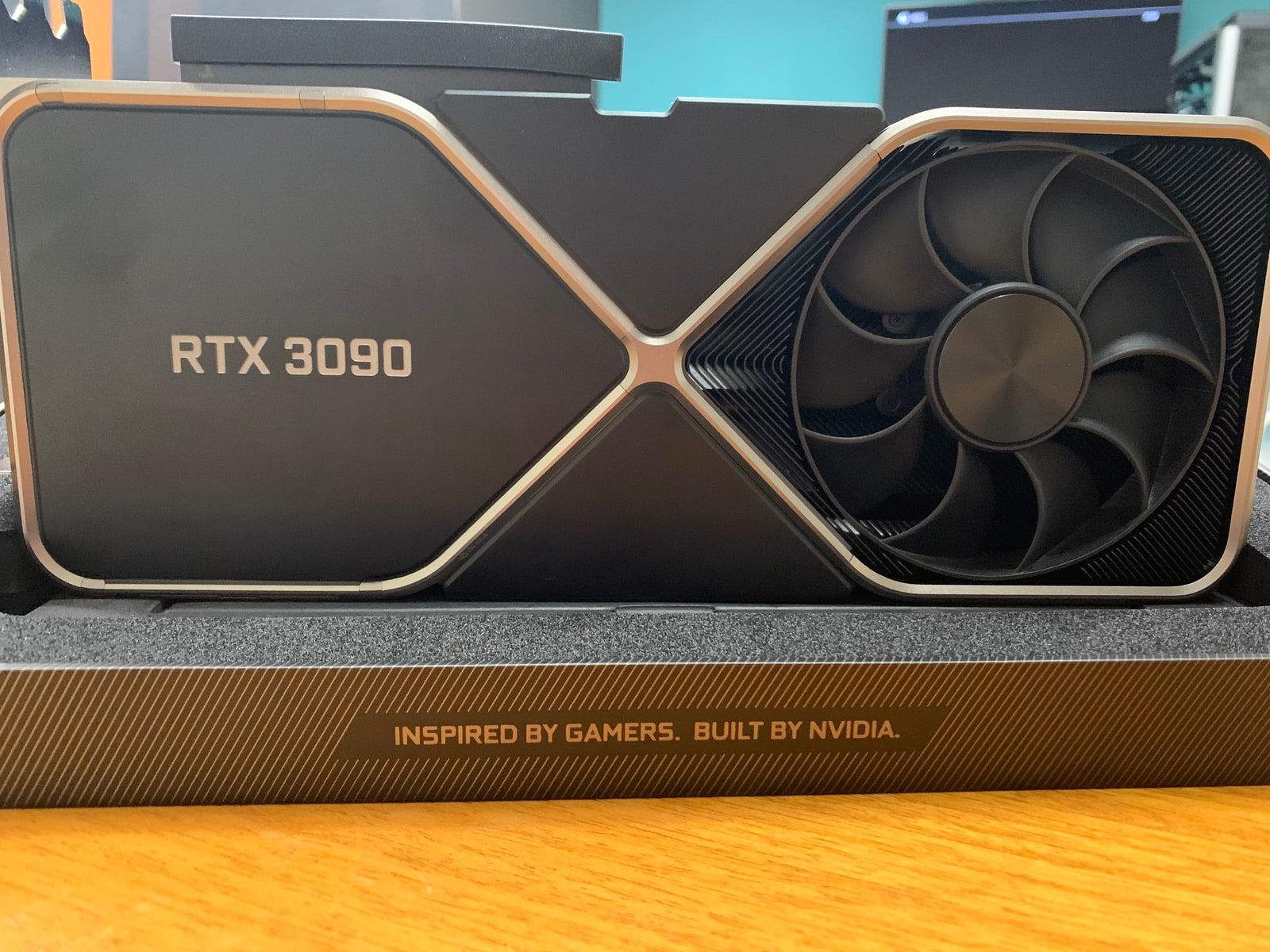
The October 23 release was checked against official compatibility and workflow documentation. An independent October 15 preview-model report is included with its different workload clearly identified. The evaluation framework is our proposed method, not a completed installation, benchmark, latency measurement or hands-on review. The real photograph is dated archive hardware context, not evidence of software compatibility or performance.
- NVIDIA: tagged RTX Remix release — Primary release, October 23, 2026; notes describe 1.6
- NVIDIA: game compatibility boundaries — Official technical reference; documentation date is not a separate announcement
- NVIDIA: understanding the Toolkit — Official workflow reference; not a hands-on result
- PC Gamer: an earlier model test — Independent firsthand report, October 15; different software and workload