
What the November ruling changes
Samsung, SK hynix and Micron must answer a U.S. antitrust lawsuit over conventional memory supplies after a federal judge denied their joint motion to dismiss on November 14. The complaint says the companies agreed to keep supplies of DRAM tight. The manufacturers attribute their decisions to independent responses to the same market pressures. Judge Noël Wise’s order allows the proposed class action to move forward in the Northern District of California. The court has yet to determine whether the companies agreed to restrict output.
The case began in June with 17 named consumers and small businesses across five states. They allege that supply restrictions dating back to October 2022 inflated what buyers paid for conventional DRAM under federal and state antitrust and related laws. At this stage, the court was weighing whether the complaint told a plausible story when its factual allegations were taken as true. Proving what the manufacturers decided and why will require a different record.
Why the ability to restore supply matters
An earlier lawsuit against the same manufacturers ended with an appeals court affirming its dismissal in 2022. That case also alleged parallel output cuts. In a concentrated market, a company can react to rivals’ public decisions to protect its own margins. The Ninth Circuit looked for additional circumstances suggesting that the manufacturers had reached an agreement and found the earlier complaint insufficient.
Wise focused on what would happen if one manufacturer cut supply and the others kept making conventional memory. A producer with idle capacity could bring it back when prices rose. It would have much less room to respond if it had delayed a factory or committed a large share of its output to other products under long contracts. The plaintiffs allege that the companies made decisions of the latter kind, a pattern the judge found more probative than broadly similar cuts alone.
The order also considered the timing of plans to wind down DDR4 while customers still needed it and allegations that the companies adopted unusually similar procedures to vet DRAM customers. Attendance at the same industry events carried little weight without allegations about the information exchanged or an agreement reached there. Market concentration itself could fit either side’s account. The decision turns on the combination of allegations, leaving their accuracy and significance open for later stages.
Why demand for server memory reaches older hardware
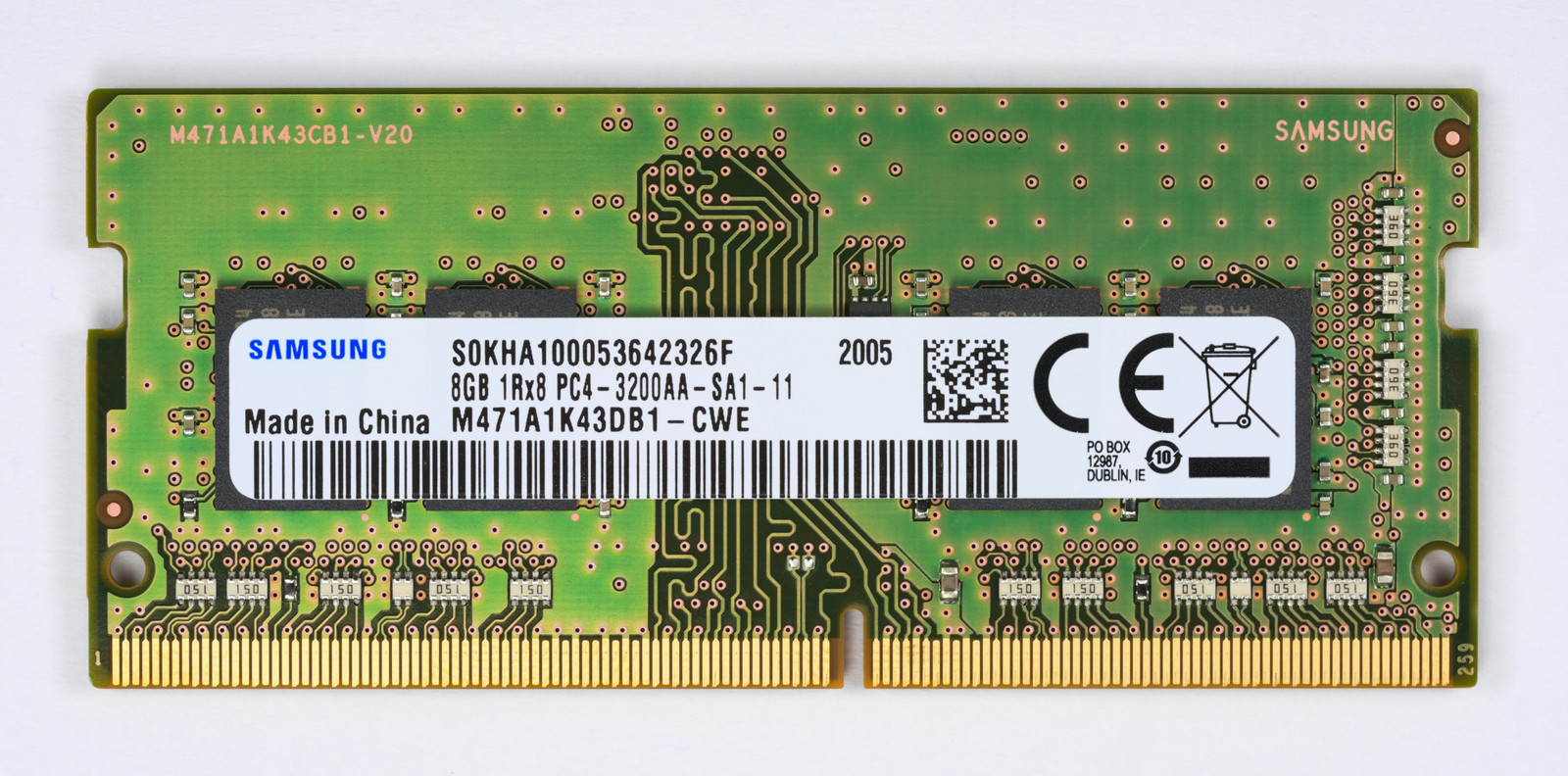
DRAM is the working memory that a computer uses to hold data while it runs. Conventional DDR4 remains useful where machines were built for that generation. DDR5 uses a different interface and module design, so a system designed for DDR4 cannot switch simply by swapping in a DDR5 stick. High-bandwidth memory, or HBM, stacks DRAM dies together and sits close to a processor in the same package. It serves workloads that need to move large amounts of data quickly, including AI accelerator workloads.
The products reach different buyers, yet the choice of which memory to make has consequences across those markets. Reassigning factory capacity can leave less room to fill demand elsewhere. Micron itself cited rising data-center demand when it announced in December 2025 that it would end consumer-channel Crucial shipments after February 2026. It said it would continue warranty service and support and keep selling Micron enterprise products. That account explains the change the public could observe and gives the company’s stated rationale.
TrendForce’s September 30 outlook projected that conventional DRAM contract prices would rise 10–15% in the fourth quarter compared with the third. Its researchers pointed to strong server demand and vendors prioritizing high-performance server products. That is a forecast for negotiated prices, which can move differently from the price of a particular laptop module in a shop. It offers market context. The forecast cannot show whether any agreement contributed to what buyers paid.
What buyers and the court can check next
For a repair shop, the most useful figures are the price, supply and lead time for the exact module that a machine supports. A quarterly contract forecast cannot substitute for those quotes. For companies maintaining a fleet, the comparison is between securing one or more qualified DDR4 options and replacing the systems that depend on them. A cheap part from an unqualified supplier or a buyer’s best guess about when prices will fall can leave a team with the same compatibility problem and fewer options.
The order gives the manufacturers until December 7 to answer, with an initial case management conference scheduled for January 12, 2027. An answer can identify which allegations the companies dispute. Records showing how output, contracts and customer rules were set could eventually help distinguish independent responses from coordination. The case is still a proposed class action. The November ruling certifies no class, orders no compensation and establishes no timeline for changes in memory availability.
Sources & Methods
We read the November 14 signed order and the 2022 appellate ruling, checked the current decision against independent hardware reporting and legal analysis, and compared the market allegations with Micron’s own explanations and a separately attributed TrendForce forecast. Compatibility and procurement implications are Lumacta’s analysis.
- Signed November 14 order in Garciaguirre v. Samsung, ECF No. 68 — Primary · District court ruling and litigation schedule
- Tom’s Hardware reporting on the November 14 ruling — Independent reporting · November 15 coverage
- The American Counsel analysis of the district court order — Independent legal analysis · November 15 coverage
- March 2022 Ninth Circuit opinion in the earlier DRAM litigation — Primary · Prior appellate ruling
- Micron announcement of its Crucial consumer-business exit — Primary · Company statement, December 2025
- TrendForce fourth-quarter memory contract price outlook — Independent market research · September 2026 forecast
- Micron high-bandwidth memory technical FAQ — Primary · Memory architecture
- Kingston DDR5 technical brief and compatibility diagrams — Primary · DDR4 and DDR5 compatibility