
A new build, not simply the same Chrome number
Google’s October 29 announcement puts desktop Stable and Extended Stable at 156.0.8078.79/.80 on Windows and Mac, and 156.0.8078.79 on Linux, with a staged rollout. It lists 21 security fixes. One is CVE-2026-76024, a MediaStream memory-corruption issue rated Critical by Chromium. The note dates its report to October 21; that is separate from the patch announcement.
For a person who recently checked for updates, the useful question is whether the installed build matches the relevant new release. Keeping a note of the complete version makes a second check meaningful. A reminder saying only that Chrome was updated can lose the detail needed to distinguish one maintenance event from the next.
Source notes: 1. Original editorial examples and interpretations are identified separately.
Read the vulnerability claim at its stated boundary
The Google CNA description in the published CVE record concerns Chrome before 156.0.8078.79. It describes possible memory disclosure inside the sandbox after a crafted HTML page is encountered. The record was published on October 30, following the October 29 patch note. We read that record through CIRCL’s Vulnerability-Lookup; direct NVD text was not readable in our source check.
Those words do not establish an observed attack on a reader, or demonstrate a complete escape from browser isolation. Our interpretation is to act on the documented maintenance requirement while keeping incident claims separate. Someone investigating an actual suspected compromise needs evidence about the relevant system, beyond a product name and a matching release number.
Source notes: 2. Original editorial examples and interpretations are identified separately.
A separate assessment answers a separate question
CISA’s contribution to the same record gives a CVSS 3.1 score of 6.5, classified Medium, and records its October 30 assessment with exploitation marked none. Chromium’s Critical label and that numerical classification use different assessment systems. The recorded CISA observation is not proof that exploitation has never happened anywhere.
Keep the source and the date beside a severity label instead of combining them into an invented consensus score. For this maintenance decision, neither label establishes the installed state of a machine. An administrator can prioritize the documented update without claiming that a successful installation constitutes a forensic examination or a guarantee against unrelated browser risks.
Source notes: 2. Original editorial examples and interpretations are identified separately.
Check, restart and read the version again
Google’s desktop help directs users to the browser menu, Help and About Google Chrome. That page shows the version and checks for updates. A pending installation can require Relaunch; the change applies when Chrome restarts. The help distinguishes Linux package-manager updates and Chromebook operating-system updates from ordinary desktop handling.
Our proposed personal check is deliberately small: save work that could be interrupted, follow the applicable update route, and return to the version page after restarting. Record the full number then visible. This is a suggested verification method, not an update or experiment performed by Lumacta on a reader’s behalf.
If the expected change does not appear, retain the observed number and any error message for the normal support route. A failed check, an unavailable download and a restart still waiting to happen are different unresolved states. Writing down which one occurred is more useful than repeating the instruction to update without checking its outcome.
Source notes: 3. Original editorial examples and interpretations are identified separately.
A workplace browser has an owner and a rollout policy
Google’s Windows administrator guidance describes update policies, including channel selection and version pinning. It warns that pinning an exact release can leave devices behind later fixes and recommends treating it as temporary. The same guidance distinguishes policies honored by domain-joined or MDM-managed computers from an ordinary unmanaged setup.
For a workplace device, ask the responsible team which route applies and what installation evidence it expects. An employee finding an older build should report that observation rather than remove management controls. A fleet dashboard also needs a clear definition of completion: distribution of a package and evidence from the browser being used are different records.
A useful exception has an owner, a reason and a review point. If an application dependency prevents immediate deployment, retain that unresolved dependency explicitly. Our proposed record does not certify an exception as safe; it keeps the decision visible to the people responsible for the device and its work.
Source notes: 4. Original editorial examples and interpretations are identified separately.
Match the product and channel before comparing numbers
The separate October 29 Android entry on the official release index lists 156.0.8078.79, with Google Play availability over the following days. It says corresponding Android releases include desktop security fixes unless noted otherwise. The same index also lists newer Dev builds; those are a different channel, not evidence that every Stable installation should carry their number.
For a household or a small team, make separate entries for the actual products being maintained. Do not infer the state of a phone, a managed laptop or a Chromebook from a successful check on one desktop. Compare each observation with guidance that names its own platform and channel, and seek support when the match remains unclear.
Source notes: 5. Original editorial examples and interpretations are identified separately.
Use a record that someone else can understand
Our suggested record contains the device’s responsible owner, platform, browser channel, complete observed version, check time and next action. Keep private identifiers and browsing history out of anything shared more widely. For managed systems, reference the organization’s approved maintenance evidence rather than creating a parallel process that nobody owns.
Close the ordinary update task against the observation it was intended to obtain. An outstanding restart should remain outstanding; an unsupported platform should remain a separate support question. This approach gives a colleague a useful handover without turning one browser check into a claim about every application or device in the organization.
Source notes: 3, 4. Original editorial examples and interpretations are identified separately.
What this article does and does not establish
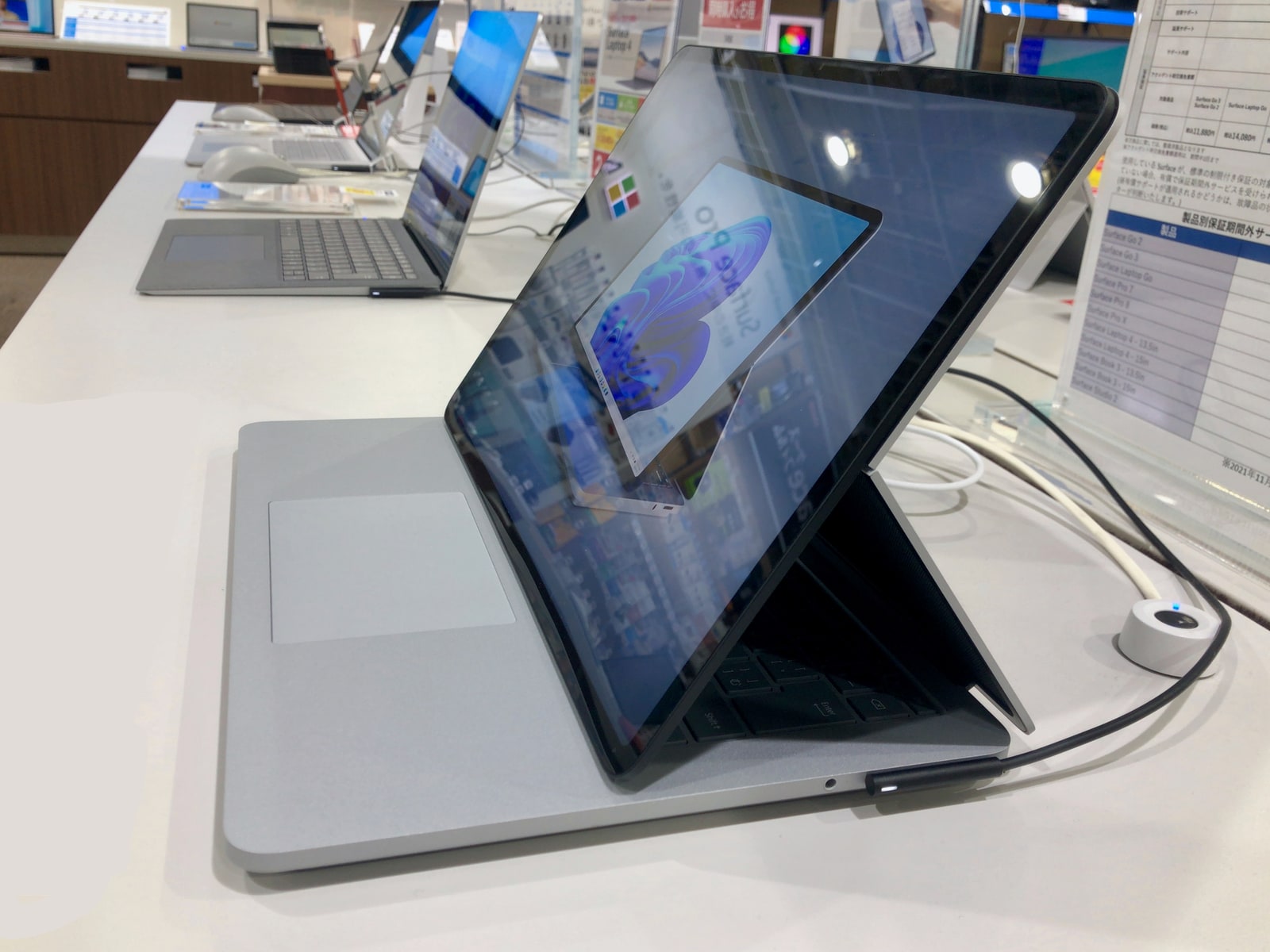
This is a source-led explanation of a dated update and a proposed way to verify its application. We performed no exploit reproduction, endpoint inspection or comparative security test. The photograph supplies dated laptop context only; it does not show Chrome running, an affected installation or a device on which this update was tested.
Source notes: 1, 2. Original editorial examples and interpretations are identified separately.
Sources & Methods
We read the October 29 desktop release, Google’s operational guidance and the published Google CNA/CISA record displayed by CIRCL, distinguishing their dates and assessment systems. The Android comparison comes from the official release index; its standalone entry returned429. Direct NVD and Chromium channel pages were unreadable. The maintenance record is original proposed editorial analysis, not a performed update or security test. A licensed archive photograph was inspected and its source record read afresh.
- Google: October 29 desktop release — Primary release announcement, October 29, 2026
- CVE-2026-76024: Google CNA and CISA assessments — Primary contributor records displayed by CIRCL; published and CISA assessment October 30, 2026; not an exploit reproduction
- Google: check and apply a Chrome update — Primary operational guidance, read October 31, 2026
- Google: managed Windows Chrome updates — Primary administrator guidance, read October 31, 2026
- Google: dated Android and Dev release entries — Primary release index, October 29 Android and October 30 Dev entries, read October 31, 2026