
What changed on October 27
Microsoft confirmed on October 27 that it had removed seven certificates from the Microsoft Edge trust list: six eMudhra G3 roots and an AAA Certificate Services cross-sign. The company’s response was first published on October 26 and then updated. This is a follow-through on an older certificate-authority incident, not a newly discovered compromise of Microsoft.
The useful question for a reader is where that change has actually arrived. A browser can be current while a separate application remains on a different maintenance path. Treat the announcement as the starting point for identifying relevant software, rather than a certificate saying that an entire computer has been checked.
For a small team, that means assigning the work by application as well as by device. The person responsible for Windows updates may not own the desktop application that connects to a supplier. Both owners need an answer about their part of the system before the task can reasonably be closed.
Source notes: 1. Original editorial examples and interpretations are identified separately.
Revocation, blocking and root removal are different actions
Microsoft’s root-program record distinguishes three measures: eMudhra’s revocation of affected CA certificates, Microsoft’s blocking of compromised public-key material, and removal of certificates from default trust lists. Its record identifies eight compromised intermediate CA keys, including TLS and code-signing keys. Cross-signed certificates can provide additional paths using the same compromised key material.
RFC 5280 explains that a trust anchor is an input to certificate-path validation and that different applications can rely on different anchors. It separately describes certificate-revocation processing. The standard supplies the conceptual distinction; it does not tell us which settings a particular installed application uses.
Our practical interpretation is to ask two questions: what does this application trust, and how does it receive a changed trust decision? A familiar issuer name alone is insufficient evidence. Keep an exact reference to the vendor’s affected list, rather than removing similarly named certificates or treating every certificate from a company as equivalent.
Source notes: 2, 4. Original editorial examples and interpretations are identified separately.
Disconnected Windows devices need their own decision
Microsoft’s October 26 Windows 11 update KB5134133 targets devices that do not receive current Certificate Trust List updates, including disconnected environments and devices with automatic CTL updates disabled. Its October 27 note also says hotpatch-enrolled devices installing it will not receive hotpatch updates until the January 2027 baseline update.
This makes a blanket instruction to install that package on every computer a poor substitute for reading the applicable release note. An administrator should establish the Windows version, normal certificate-update route and management arrangement first. The correct plan for a disconnected workstation may differ from a routinely connected one.
Record the chosen delivery route and the reason it applies. If the machine is deliberately isolated, use its established maintenance process and the official instructions for that environment. Do not connect it casually, change its protection settings or erase a management exception merely to obtain a reassuring completion label.
Source notes: 3. Original editorial examples and interpretations are identified separately.
An application rebuild can be part of the fix
Google’s Firebase guidance identifies several affected application types and distinguishes their required actions. For Dart or Flutter applications targeting Android, Windows or Linux, it explains that validation uses compiled-in logic rather than operating-system intermediate blocklists. Its remediation therefore includes updated tooling, rebuilding and redeploying; existing installed builds do not become fixed solely through an operating-system update.
That example demonstrates why application ownership belongs in the maintenance record. Ask the supplier which guidance applies to the installed product, which release contains its change and how users receive that release. An update on a developer’s machine is not evidence that customers have received a rebuilt application.
Avoid extending one SDK’s instructions to unrelated products. For an internally maintained application, the next useful evidence may be a release identifier and an installation record. For a supplier’s application, it may be the supplier’s dated advisory. Where that answer is missing, retain an unresolved entry rather than guessing that the browser covers it.
Source notes: 6. Original editorial examples and interpretations are identified separately.
Read product status as a dated finding
Cisco revised its advisory on October 28 at 19:39 GMT, updating products under investigation, affected products and products confirmed not vulnerable. The advisory remains interim. Cisco also says its incident-response team is not aware of malicious use. That statement describes the company’s knowledge; it does not establish the absence of exploitation everywhere.
For teams using several products from one supplier, the status of the exact product matters more than a general message that the supplier has responded. A product still under investigation should not inherit the remediation status of another product. Equally, an investigation label alone is not proof that a particular installation is vulnerable.
Save the advisory revision and the product entry used for a decision. Revisit unresolved entries when the supplier changes that classification. This proposed approach makes later corrections manageable: a colleague can see what information existed at the time, instead of trying to reconstruct the reasoning from an undated screenshot.
Source notes: 5. Original editorial examples and interpretations are identified separately.
A proposed record for a small organization
Consider a fictional organization with office browsers, an isolated Windows workstation and a locally maintained application. This is a planning example, not a deployment we observed. Give each a separate row containing its owner, installed release, applicable official advisory, update route, observed result and next action.
For the browsers, retain the vendor-directed evidence that the relevant components received the change. For the isolated workstation, document the chosen maintenance route. For the application, establish whether a supplier update or a new build is required. An unanswered question remains visible even if the other two rows are complete.
Close each row against its own stated criterion. Then perform an ordinary, authorized check of the work that depends on it, such as the organization’s usual connection to its own service. Keep client data and credentials out of the record. A successful ordinary connection checks continuity; it is not an exploit test or proof that every invalid chain is rejected.
Source notes: 1, 2, 3, 5, 6. Original editorial examples and interpretations are identified separately.
Keep continuity and security claims proportionate
If a dependent service stops working, preserve the error and identify the affected connection through the normal support process. The appropriate owner can then arrange a supported certificate-chain or application change. Restoring broad trust simply to suppress an error would replace the original maintenance question with an unexamined exception.
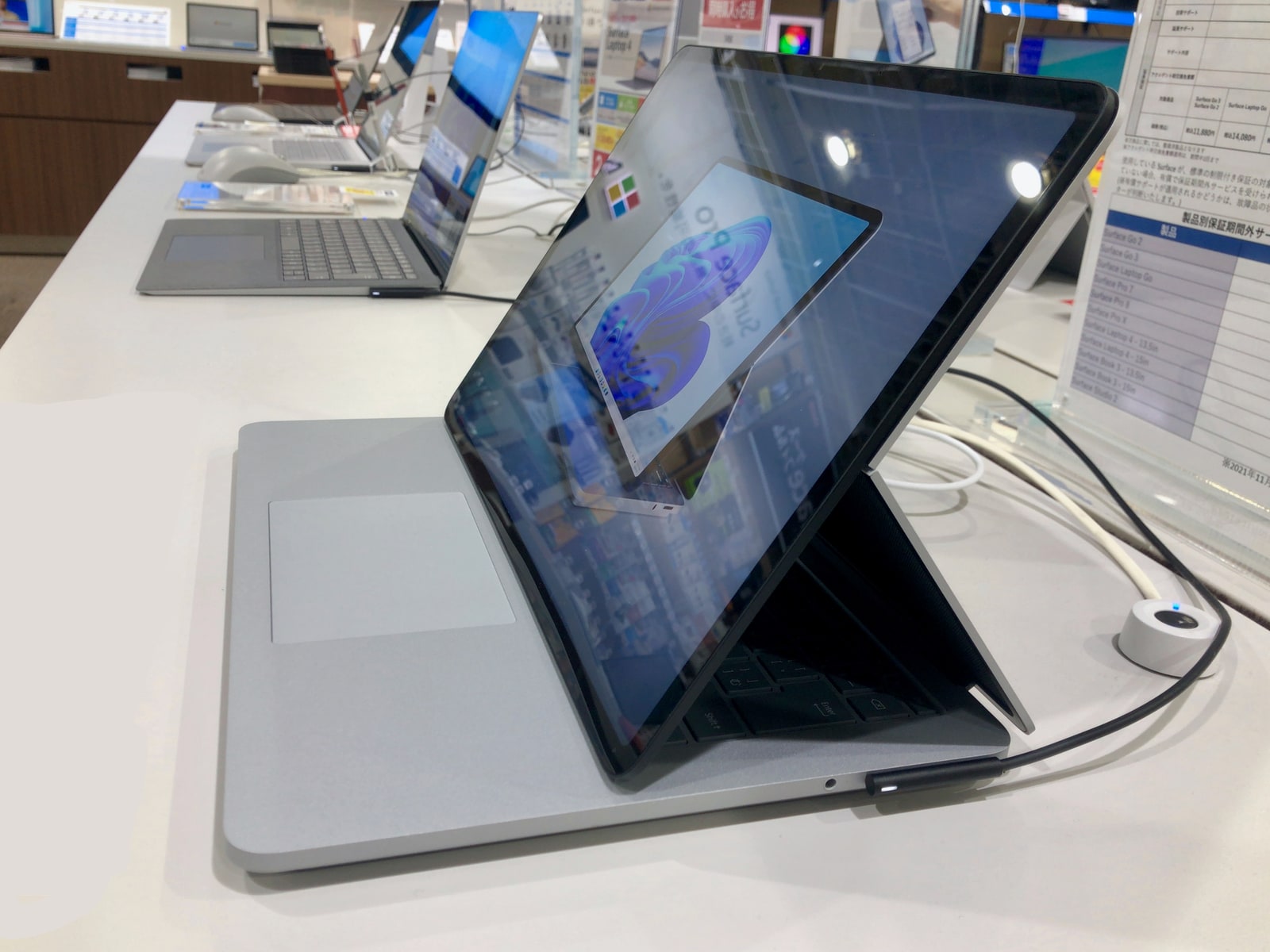
The defensible outcome is specific: the relevant products were identified, the applicable vendor guidance was followed and unresolved dependencies have an owner. We have not examined an endpoint, reproduced an attack or tested these updates. The Surface photograph is dated hardware context and does not depict an affected device or a verified remediation.
Source notes: 1, 4. Original editorial examples and interpretations are identified separately.
Sources & Methods
We compared Microsoft’s dated response, root-program record and Windows release note with independent product guidance from Cisco and Google, using RFC 5280 to distinguish trust anchors from revocation. The maintenance record is an original proposed method, not a performed test. No device exposure, universal fix or supplier endorsement is established.
- MSRC: response to compromised eMudhra CA keys — Primary response October 26; explicit Edge removal update October 27, 2026
- Microsoft Trusted Root Program: announcements — Primary action chronology and affected certificate identifiers; read October 29, 2026
- Microsoft: KB5134133 for Windows 11 — Primary October 26 update scope; hotpatch note added October 27, 2026
- RFC 5280: certificate paths and revocation — Independent primary X.509 standard, May 2008; sections 6 and 6.3
- Cisco: emergency distrust advisory — Independent product-vendor assessment, interim version 1.4, October 28, 2026, 19:39 GMT
- Firebase: application remediation guidance — Independent affected-application and rebuild guidance; read October 29, 2026