
A recovery update, not a worldwide Tamron shutdown
Tamron’s October 23 Japanese notice says its suspended online-store and Tamron ID services resumed following an incident at the futureshop platform it uses. The notice covers shopping and account functions, including eligible campaign applications.
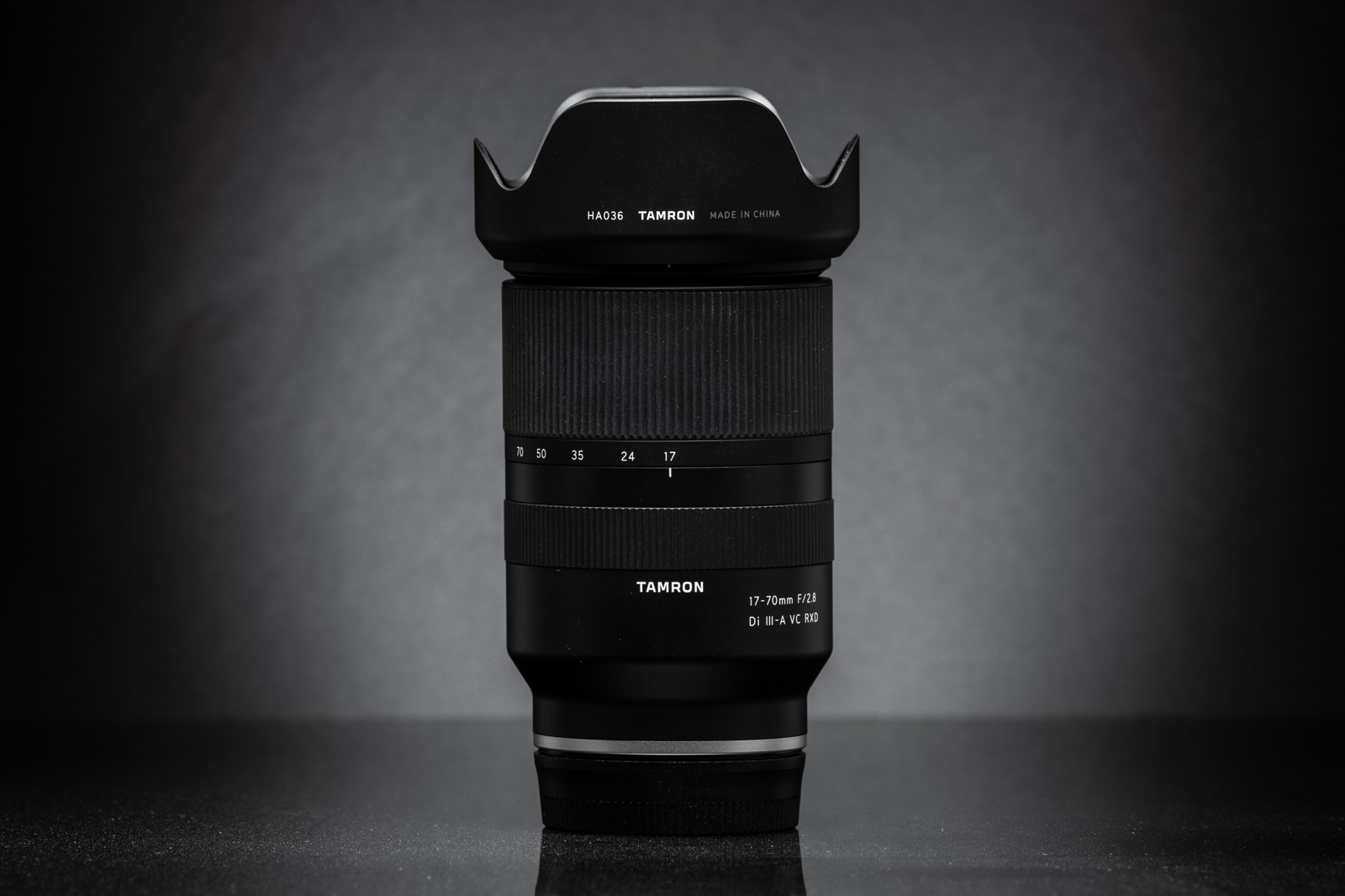
Scope matters more than the brand name in the headline. A notice describing particular Japanese services should not be rewritten as proof that every Tamron retailer, international account or camera product was affected. Nor does a photograph of a lens establish anything about the affected systems.
Our reading separates three questions: can a customer use the service, does the record of a particular transaction make sense, and what has the investigation established? A successful sign-in answers only the first. The practical task is to check the relevant service without turning limited information into either a worldwide warning or an unconditional reassurance.
Source notes: 1. Original editorial examples and interpretations are identified separately.
Keep the interruption and restoration notices in order
The earlier October 21 Tamron notice described emergency maintenance after unauthorized access at futureshop. It said customer impact was being checked. Repairs and their inquiries continued, while accepted orders scheduled to ship on October 21 could proceed even though completion emails were suspended.
That chronology explains why an old warning and a newer recovery announcement can coexist in search results. Read the date and the actual function described before treating a page as the current status. An earlier notice is part of the record, not necessarily a fresh outage.
For an interrupted purchase, our suggested record is simple: retain the order reference, the service used, the last confirmed state and the date of the relevant notice. This is a way to organize a support question, not a guarantee about the status of any individual parcel. We have not accessed customer accounts or checked a shipment.
Source notes: 2. Original editorial examples and interpretations are identified separately.
The provider describes recovery work, not a published forensic conclusion
In its October 22 restoration notice, futureshop says emergency maintenance ended that night, including rebuilding affected server environments and measures addressing the intrusion route. It reported restored storefront, administration and API access. External specialist investigation was still planned.
These are provider statements about operational recovery. We have not inspected the rebuilt systems or independently verified the remediation. A reader should be able to distinguish a supplier announcing that a service is usable from an outside assessor demonstrating exactly what happened.
Our editorial test for a later update would ask whether it adds a confirmed affected scope, a clearer timeline or a specific customer action. Merely repeating that service has resumed would not answer a different question about the investigation. Conversely, the absence of a final public report is not evidence for an invented attack technique.
Source notes: 3. Original editorial examples and interpretations are identified separately.
Do not turn an interim finding into an all-clear
Both restoration notices report that customer personal-information leakage had not been identified in the investigation described at that time. Tamron says it will communicate important new findings as appropriate. This is an attributed interim finding, not our certification that no data could have been exposed.
There are two equally unhelpful shortcuts. One is to announce a customer-data breach without evidence identifying one. The other is to turn an initial negative finding into a guarantee that the investigation has ruled out every possible effect. Neither follows from these notices.
The useful habit is to keep the qualification attached when sharing the news. State who reported the finding and that the investigation can produce further information. That gives readers a reason to monitor substantive updates without asking them to accept speculation as a substitute for evidence.
Source notes: 1, 3. Original editorial examples and interpretations are identified separately.
Check the transaction before creating a replacement
Our practical recommendation is to compare your existing order reference with the account record, rather than placing another order merely because an expected email did not arrive. The earlier shipping-notification caveat is one reason that an inbox alone may be an incomplete record.
Record any discrepancy precisely: an order absent from the account, a status that has not changed, or a message that conflicts with the website. Use the company’s published support route and provide the reference, not a full password or an unnecessary collection of personal documents.
This is a troubleshooting sequence, not a claim that a particular customer was charged twice or that orders were lost. A support team can investigate an individual transaction; a general news article cannot establish its outcome from a public maintenance notice. Keep that boundary clear when deciding what information to share.
Source notes: 2, 3. Original editorial examples and interpretations are identified separately.
A recovery message still needs an independently known destination
The FTC’s general phishing guidance warns about unexpected account-problem messages and recommends contacting a company through a website or number known to be genuine, rather than details supplied in the suspicious message. Its guidance also recommends multi-factor authentication where available.
Applied here, the sensible editorial advice is to open the relevant official service independently before acting on an unexpected recovery request. We have no evidence of an incident-specific phishing campaign and are not describing any particular message as fraudulent.
An urgent-looking email should not become proof of its own authority simply because a real outage occurred. Separate the claim in the message from the place where you verify it. Do not infer that Tamron has ordered a password reset, a payment or a document upload unless an authentic company instruction actually says so.
Source notes: 4. Original editorial examples and interpretations are identified separately.
The broader lesson is a dependency outside the camera bag
For a working photographer, a lens choice and the services used to buy or support it are different dependencies. Our analysis is that planning should account for both: keep equipment decisions separate from account access, purchase records and time-sensitive campaign administration.
A hypothetical creator buying shortly before a job would benefit from a confirmed order and a fallback schedule, not from assuming that a brand account is a substitute for a delivery commitment. That example is an organizational suggestion; it is not a report of lost work or failed deliveries in this incident.
The news, therefore, is a service restoration with an investigation still bounded by the published evidence. A careful customer can check a concrete transaction and follow later notices without assuming either a worldwide hardware problem or a finished forensic account. That is a more useful outcome than treating a green login screen as the end of the story.
Source notes: 1, 3. Original editorial examples and interpretations are identified separately.
Sources & Methods
Primary-source reading of Japanese-language company and provider notices, with independent general FTC guidance. Dates distinguish the interruption, provider recovery and Tamron resumption. Provider claims are attributed; no forensic audit, account access, purchase, shipment test or security replication was performed. Practical examples are editorial recommendations, not observed customer incidents. The photograph is older brand context only.
- Tamron: Japanese service resumption — Company notice, October 23, 2026; Japanese body read
- Tamron: earlier service interruption — Company notice, October 21, 2026; historical scope and shipping caveat
- futureshop: restoration and investigation — Provider statement, October 22, 2026; not an independent remediation audit
- FTC: recognizing suspicious messages — Independent general guidance, September 2022; not evidence of a Tamron phishing campaign