
A new snapshot, with a precise date
Linus Torvalds recorded the Linux 7.4-rc2 release commit on November 8 at 16:22:20 in UTC−08:00. That is November 9 at 00:22:20 UTC, or 02:22:20 in Bucharest. Kernel.org now lists 7.4-rc2 as mainline; its separate stable entry is 7.3.3.
The date matters because readers can encounter both November 8 and November 9 attached to the same release. The recorded offset resolves that apparent disagreement. More practically, the version gives developers following the next kernel a named point of comparison rather than the moving target of “the latest Linux.”
What the x86 merge actually says
A November 8 merge brought in x86 fixes described by maintainer Ingo Molnar. Its list includes BHI mitigation selection, an ASID allocation bug and counter-field handling. These are specific areas of repair, rather than a general promise that every machine becomes faster or more secure.
The accompanying log describes the ASID problem as a global identifier being handed to two processes, and names an AMD ABMC counter ID field-width correction. The pull also covers an i386 build problem and VMware guest arguments. A reader following those areas gets concrete changes to examine, rather than a single headline benefit.
The distinction is useful when reading a short release report. A fix title tells an investigator where to look. It does not identify the kernel package on a particular laptop, establish that the machine encountered the bug, or demonstrate how its behavior changes. Those questions need the relevant change and the system’s own configuration.
Readers following one of these issues therefore have a narrower next step: connect the maintainer’s description to the problem they are investigating. Treating the whole list as a single performance improvement would erase the differences between the changes.
Source notes: 3.
Mainline is a development track; stable is a different decision
Kernel.org describes rc kernels as pre-releases intended mainly for kernel developers and enthusiasts. It distinguishes that development work from stable bug-fix releases and long-term maintenance. Distributions also maintain their own kernels and support channels; an upstream version alone does not describe the software a user receives.
The release categories explain that stable bug fixes are backported from mainline. This helps explain why “newest upstream version” and “supported fix for my system” are not interchangeable descriptions when deciding what to install.
That leaves two separate reader questions. Someone responsible for a working system needs to understand the supported update route for that system. Someone following a possible regression may need a development snapshot that can help isolate a change. An rc label supplies useful context for the second task without replacing the first decision.
A report about 7.4-rc2 should consequently say which kernel was built or installed, not imply that all Linux users have received the same update. Conversely, seeing a different version in a distribution does not answer whether it contains a particular fix. The relevant package record and support channel remain part of that check.
Source notes: 4.
One comparison and a report someone else can examine
For a focused comparison, choose one task that already matters to the machine and define what success looks like. A display waking after sleep is one hypothetical example: record the connection, the working reference, the candidate build, the steps and the observed result. Keep other changes visible so a different outcome is not automatically blamed on the kernel.
The official reporting guide asks readers to look for existing reports and provide reproducible details, including the kernel and distribution. It distinguishes vendor kernels from upstream reporting and advises preparing for recovery before changing a kernel. Its full procedure matters when taking that step; a short news article cannot replace it.
The useful result is a bounded observation. “It failed once” and “these steps reproduce the failure” are different findings. Record whichever the comparison actually supports, then decide whether it supplies enough information for a report or leaves another question to investigate.
Source notes: 5.
Sources & Methods
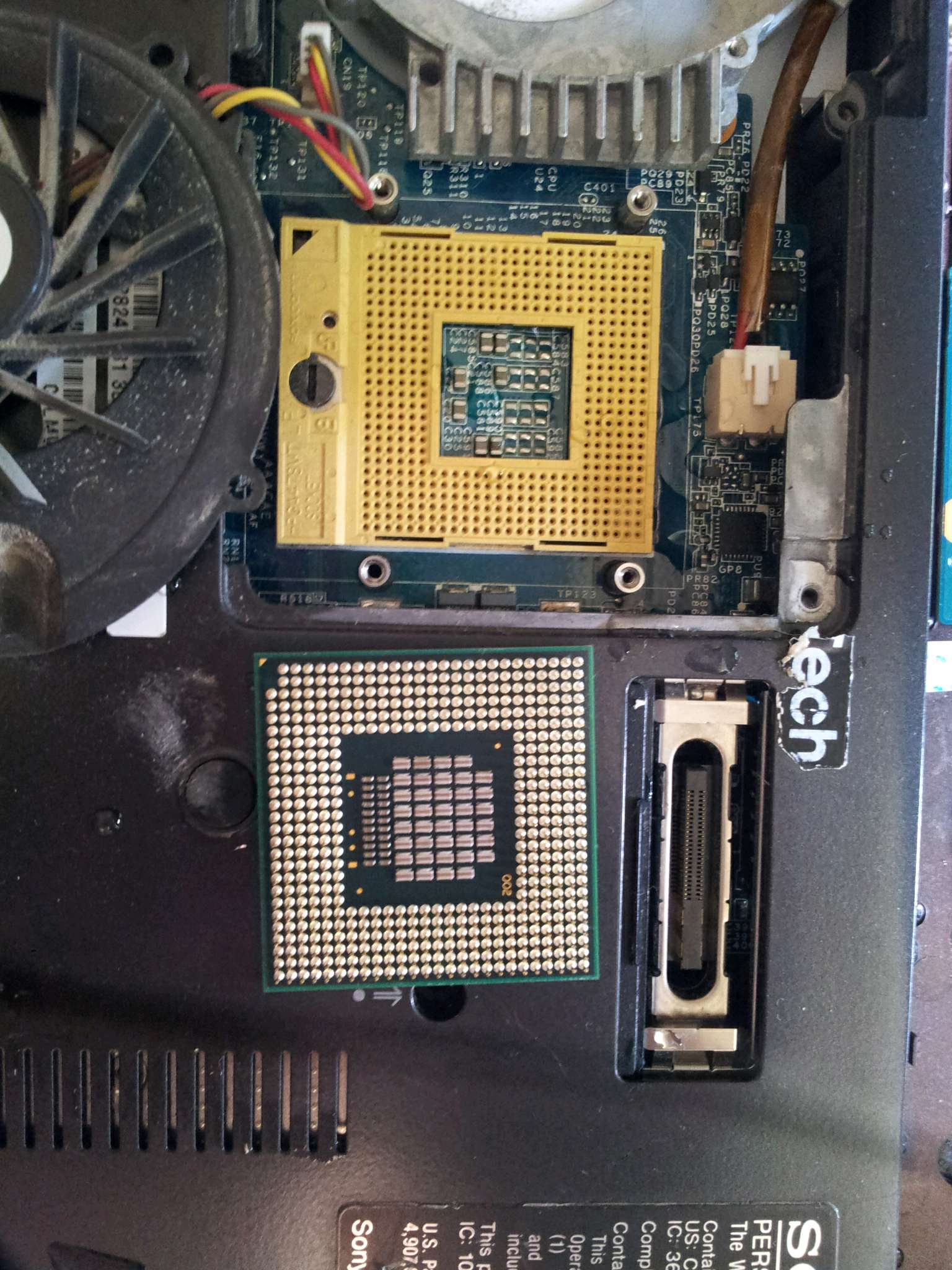
Prepared November 9, 2026 from primary release metadata, the release index, a maintainer merge and kernel documentation. No installation, compilation, benchmark or hardware test was performed. The display example is a hypothetical editorial illustration. Photograph: 2019 hardware archive.
- Linux 7.4-rc2 release commit — Primary release metadata; full commit JSON read
- Kernel.org release index — Primary release list; mainline and stable rows read
- November 8 x86 fixes merge — Primary maintainer merge description; complete message read
- Kernel release categories — Primary release documentation; categories and cadence read
- Reporting kernel issues — Primary documentation; short and step-by-step guides read
- Laptop photograph record — Original image record; date, author, license and EXIF read
- CC0 reuse terms — Primary deed and legal code read
