
Two dates to put in the migration plan
Google moved its official Workspace command-line tool and eight product-specific Model Context Protocol servers to general availability on November 24. The interfaces cover familiar apps including Gmail, Drive and Calendar. Google has also set February 1, 2027 for its new terms and agent access requirement, with changes to billing and quota enforcement scheduled for April 1. The Next Web separately reported the rollout and the February deadline.
These dates matter to a team whose assistant already works. A ticket summarizer may carry on reading an inbox while its underlying connector falls outside the new access terms. A team that switches connectors may solve that problem and still have work to do before it can forecast April costs. Plan for those questions separately. One is about how the agent is allowed to act. The other is about how much usage that access produces.
Match the interface to the way the agent runs
Google presents the remote MCP servers as a way for compatible hosts to call tools offered by individual Workspace products. The official Workspace CLI gives local programs a command-line interface. Google describes both as supported approaches, and the addendum spells out the Google MCP requirement for covered AI-driven access tools. If a vendor says it supports Workspace, ask which connection its agent uses for the actions you rely on.
Google’s release notes say the Gmail MCP rollout can take up to ten days to reach an account. The same notes keep the cross-product Universal Search server in developer preview. A pilot that depends on one search spanning mail, files and calendar entries should verify that specific capability and its availability. The availability of individual product connectors cannot answer that question.
The new rule targets AI-driven access. A conventional app and an agent can live inside the same integration, so a product name or an OAuth consent screen alone may not settle which path needs attention. Map the individual jobs. An overnight process that exports a predefined report and an assistant that decides which records to fetch deserve separate entries, even if they came from the same vendor.
Check who approves what
Google says external agents need dedicated OAuth client IDs and describes administrator controls for permissions, confirmation and audit. Start by separating what an agent can read from what it can change. For a support team, finding a conversation, drafting a response and sending it to a customer are three different actions. Giving a pilot access to the first two does not require treating the third as routine.
Run a small pilot against ordinary test data with the actual agent host and account configuration your team intends to use. Ask the agent to prepare a draft, then exercise the approval flow for an action your team regards as consequential. Check what the approver can see about the recipient and content, whether declining leaves the action untouched and what the administrator can recover from the audit record. Those are separate acceptance criteria. A connector showing up in an admin menu answers only the first question of whether you can configure it.
Record how the team turns off access and which owner can do it. Google described some user-facing access and revocation features as forthcoming. Establish what works in your tenant today before writing a support procedure that depends on those future controls.
A workflow can consume several requests
Google’s quota guide describes a no-cost Standard Tier for the generally available Workspace MCP servers. The daily ceiling is 5,000 requests per project per product, alongside shorter rate limits. Some tool calls can consume multiple requests. The guide says that starting April 1, Gmail, Calendar and Drive MCP use on the Scaled Tier will be billed from the first request. Check the product and tier directly before applying that rule to another connector.
Measure a complete task against your own project’s usage dashboard. A request to prepare for a customer meeting can touch mail, calendars and files, then repeat work after a partial failure. Keep the measurements by product and record failed or retried calls. Compare the rate during a busy part of the day with the daily total. Either limit can determine whether colleagues get results when they need them.
Also decide how the assistant should behave when it runs out of capacity. For a meeting brief, a clearly marked partial result may be enough. For a task that changes shared files, a better response may be to stop and show which actions actually completed before anyone tries again. That is a workflow decision worth making before the whole team relies on the integration.
Source notes: 3.
Follow the data beyond the connector
The addendum restricts how covered tools process the data they obtain, bars use for model training and requires covered user data and technical information to be removed once access is disconnected or revoked. Review what the agent vendor keeps in logs, summaries and caches. Ask for the deletion process and its evidence. The only way to judge all copies is to follow the data through the service doing the work as well as the service supplying it.
Use the February milestone to settle scope, credentials, approvals and removal. Use the April milestone to settle capacity, billing and what happens under load. The November release gives teams time to test both with a small, well-defined workflow before extending access to an entire shared drive or inbox.
Source notes: 2.
Sources & Methods
We compared Google’s November 24 product announcement with the release notes, setup guides, terms and quota documentation, and checked separate reporting by The Next Web. The acceptance tests and migration sequence are editorial analysis. Availability and charges depend on the account, connector and usage tier.
- Google’s Workspace agent rollout announcement — Primary November 24 product announcement, covering availability and administrator controls.
- Workspace AI Tools Addendum — Primary terms, covering Google MCP access, permitted processing and retention.
- Google’s usage tiers and quotas guide — Primary developer documentation for effective dates, request accounting, limits and billing.
- November 24 Workspace developer release notes — Primary dated rollout confirmation, including account timing and the separate preview.
- The Next Web’s coverage of the Workspace rollout — Separate reporting by Ana Maria Constantin on November 24 at 18:24 UTC, based on Google’s announcements.
- Google’s guide to configuring Workspace MCP servers — Primary platform documentation for the remote interface, host and authentication.
- Google’s guide to the official Workspace CLI — Primary developer documentation for the local command-line interface.
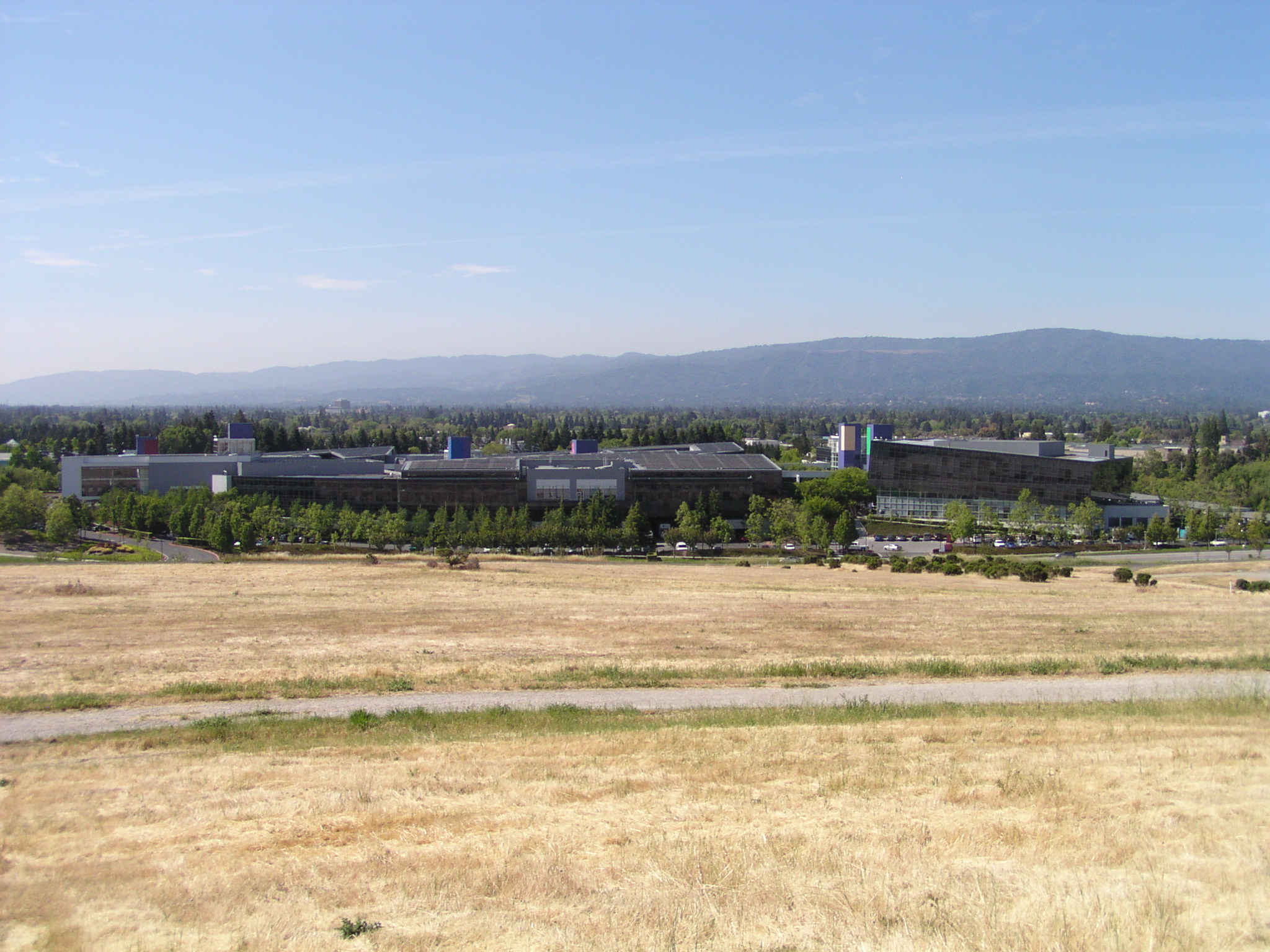
- Steven Arnold’s Google headquarters photograph — Primary photographer record, dated May 10, 2009, with original file and reuse license.
- Creative Commons Attribution 3.0 — Primary license for reuse of the archive photograph.
